
Light Requirements
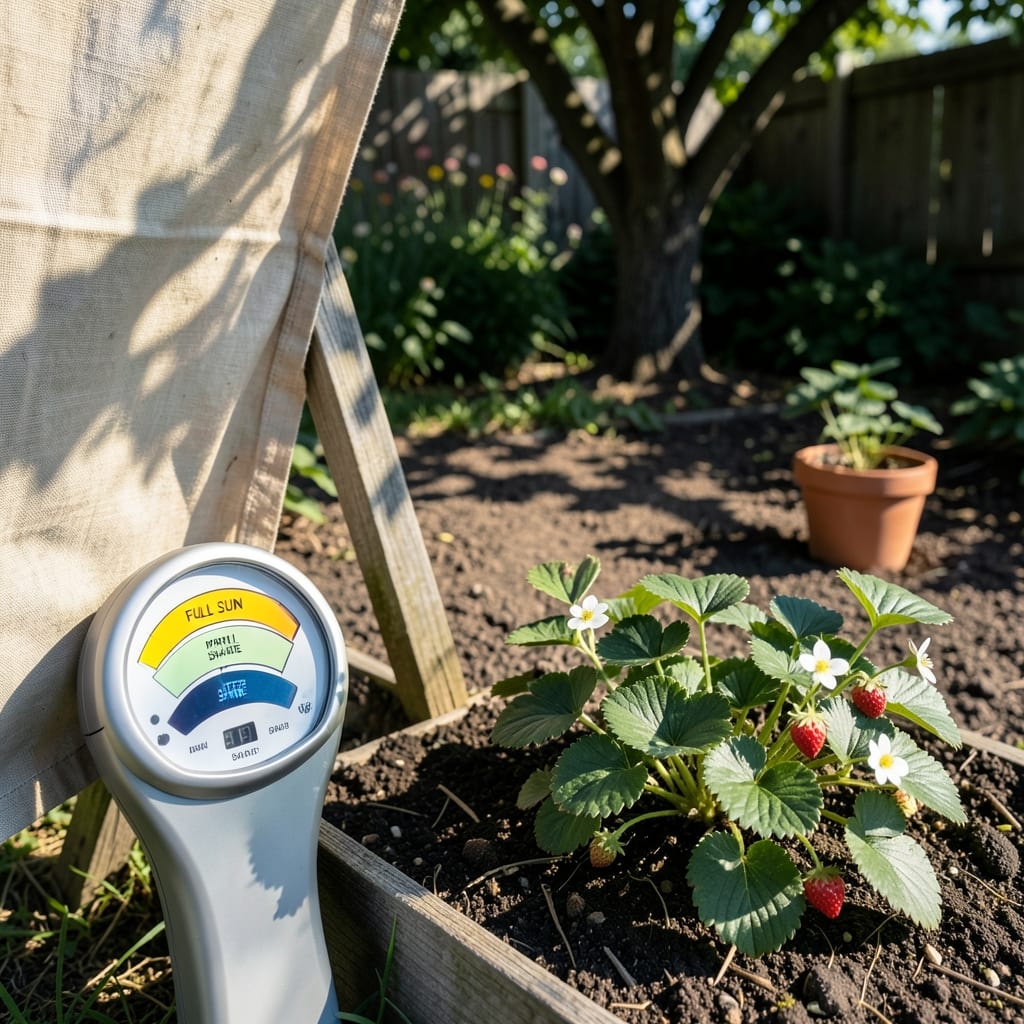
The right amount of sunlight makes all the difference for your strawberry plants—too little and you’ll get weak growth, too much and your fruit may scorch. 🍓 Without knowing the exact light needs for each variety and growth stage, you could end up with a disappointing harvest instead of juicy, sweet berries.
Most strawberries crave 6 to 10 hours of direct sunlight daily, but not all varieties are created equal. June-bearing types need the most light to produce their big summer crop, while everbearing and day-neutral varieties can handle a little more flexibility. Understanding these differences helps you place your plants perfectly in your garden or containers.
What happens when light isn’t just right? You might notice pale leaves, leggy stems, or small, bland-tasting fruit. I’ll show you how to spot these signs early and adjust your setup—whether you’re dealing with a shady spot or scorching afternoon sun. Let’s get your strawberries the perfect light they deserve.
From seedlings to ripe berries, each stage has unique sunlight needs. I’ll break down exactly how much light your plants need at every phase, plus practical tips for maximizing sunlight in containers, raised beds, or even indoor setups. Ready to grow the juiciest strawberries of the season?


Strawberry sunlight requirements by variety: full sun vs partial shade needs
Not all strawberry varieties need the same amount of sunlight, and understanding these differences is key to placing your plants correctly. June-bearing strawberries demand the most light—8 to 10 hours daily—to produce their massive summer harvest, while everbearing and day-neutral varieties can tolerate 6 to 8 hours and still thrive. The wrong amount of light can lead to poor fruit set, weak plants, or even no berries at all.
For example, Albion and Jewel (June-bearing) need full sun exposure to maximize their yield, while Seascape (everbearing) can handle slightly more shade without sacrificing production. If your garden has partial shade, day-neutral varieties like Ozark Beauty are your best bet—they adapt better to 4 to 6 hours of sunlight per day.
Here’s how sunlight needs break down by variety, including their shade tolerance and ideal placement in your garden:
If you’re growing strawberries in containers or raised beds, prioritize south-facing spots for June-bearing varieties. For everbearing or day-neutral types, a morning sun + afternoon shade setup works well, especially in hot climates where afternoon sun can scorch leaves. I’ve even seen day-neutral varieties like Fort Laramie produce well in partial shade under fruit trees, as long as they get at least 4 hours of direct light.
One common mistake is assuming all strawberries need full sun. Too much direct sunlight in summer can cause sunburn on leaves or small, hard berries, while too little light leads to leggy, weak plants with poor fruit quality. The key is balancing sunlight with your local climate—cooler regions may need more sun, while hot, dry areas benefit from afternoon shade.
For example, in USDA Zone 7 or higher, I recommend using shade cloth (30–50%) during peak afternoon sun to protect leaves while still allowing enough light for fruiting. In cooler zones like Zone 5 or 6, full sun exposure is ideal year-round, as strawberries need that light to ripen fruit properly.
Pro tip: If your garden has limited sunlight, day-neutral varieties are your best friend. They produce fruit continuously throughout the season, even with 4–6 hours of light. Pair them with reflective surfaces (like white walls or mulch) to bounce extra light onto the plants and boost growth.
Remember, strawberries are perennial plants, so their sunlight needs stay consistent year after year. Once you find the perfect spot, your plants will reward you with bigger, sweeter berries and fewer problems. Next, let’s dive into how light needs change as your strawberries grow from seedlings to fruiting plants.
Light needs during strawberry plant growth stages: from seedlings to fruit production
Strawberry plants don’t need the same amount of light at every stage of growth. Seedlings and young plants are the most sensitive to light changes, while mature plants can handle more sun as their roots establish. Understanding these shifts helps you adjust placement or use grow lights to avoid stunted growth or poor fruiting.
When you first plant strawberry seedlings, they need 4 to 6 hours of bright, indirect light to prevent shock. Too much direct sun at this stage can scorch delicate leaves, while too little leads to leggy, weak stems. Once hardened off (after 7–10 days), gradually increase sunlight to 6 to 8 hours daily to prepare them for full sun.
Seasonal light changes also affect strawberries. In winter or early spring, days are shorter, so supplement with grow lights (LED or fluorescent) if growing indoors or in containers. I’ve used 14-hour photoperiods to extend the growing season for everbearing varieties, resulting in earlier and larger fruit.
For container-grown strawberries, rotate pots weekly to ensure even light exposure. This prevents one side from becoming overly shaded or sunburned. If your balcony or patio only gets morning sun, choose day-neutral varieties like Tristar or Mara des Bois, which produce well with 4–6 hours of light.
One of my biggest lessons? Overhead watering can create a lensing effect, magnifying sunlight and causing leaf scorch. Always water at the base of the plant in the morning to avoid this issue. With the right light adjustments at each stage, your strawberries will grow strong, healthy, and productive from seedling to harvest.