
Light Requirements
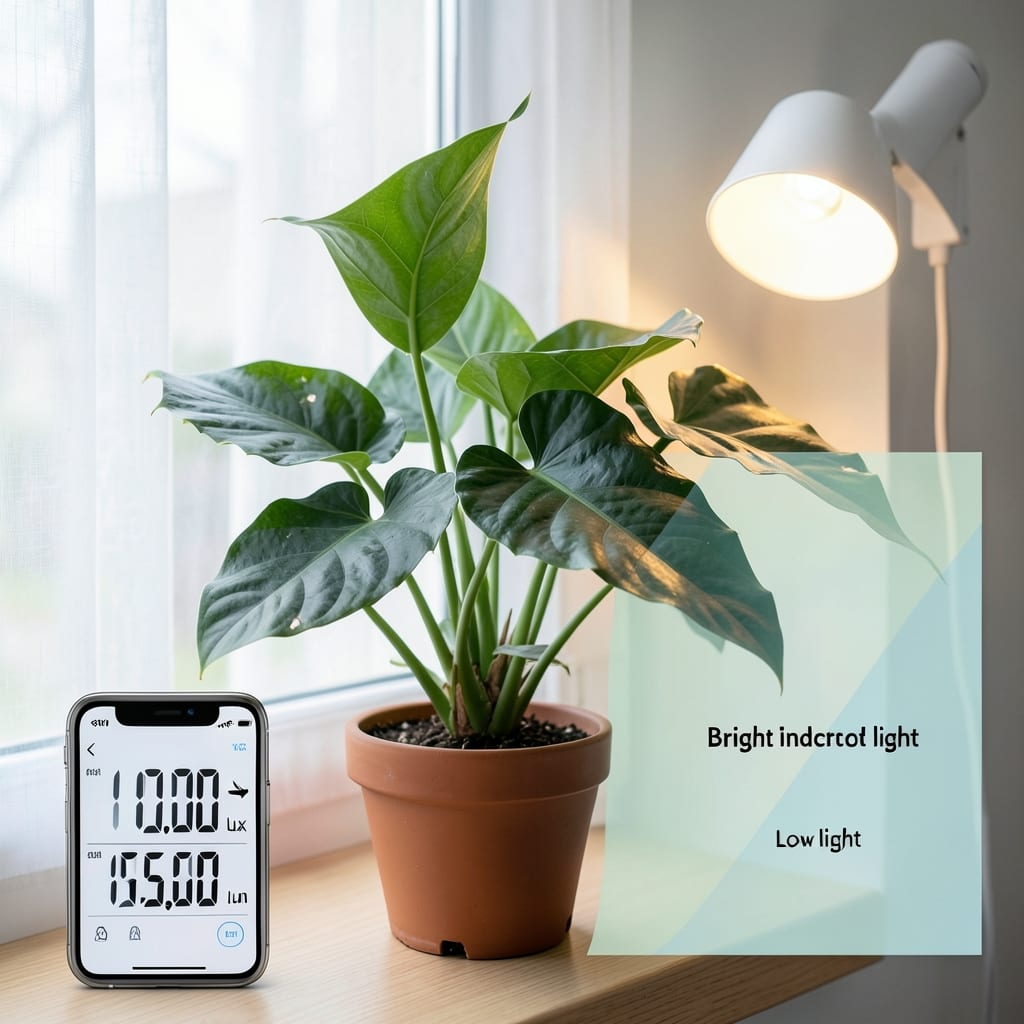
If you’re wondering how much light does an arrowhead plant need, the answer is simpler than you think—this plant thrives in bright, indirect light, but too much direct sun can fry its leaves faster than you'd imagine.
I’ve seen beginners make the same mistakes: placing their plants in harsh afternoon sun or tucking them in dim corners where they stretch and fade. The key is finding that sweet spot—like a cozy reading nook where the light is soft but plenty bright enough. Let’s break down exactly how to give your Arrowhead Plant 🌿 the perfect glow for lush, healthy growth.
Whether you’re dealing with a north-facing window that feels too dim or a south-facing one that’s too intense, I’ll show you how to adjust lighting for your space. You’ll learn to spot the signs of light stress—like yellowing leaves or leggy stems—and how to fix them before they become permanent problems.
By the end, you’ll know exactly where to place your plant, when to rotate it for even growth, and even how artificial lights can step in when natural light falls short. No more guesswork—just vibrant, thriving foliage that’s the envy of every plant lover.


Ideal light requirements for arrowhead plants: bright indirect sunlight explained
The arrowhead plant (Syngonium) thrives in bright indirect light, making it perfect for east or north-facing windows. This means it needs plenty of light—but not the harsh, direct rays that can scorch its delicate leaves. Think of it like a sunbather who loves a beach day but burns under midday sun without sunscreen.
In nature, arrowhead plants grow under the dappled shade of rainforest canopies, where they receive filtered sunlight. Recreating this environment indoors is key to keeping your plant happy. Too little light causes leggy growth and pale leaves, while too much direct sun leads to brown patches and crispy edges.
Here’s the golden rule: 4-6 hours of bright, indirect light daily. This could mean placing your plant 2-3 feet from an east-facing window (morning sun) or 3-4 feet from a south-facing window (afternoon sun). If your home lacks natural light, don’t worry—we’ll cover artificial solutions later!
Seasonal adjustments are crucial. During summer, when sunlight is intense, move your plant slightly farther from the window or use a sheer curtain to diffuse the light. In winter, when days are shorter, supplement with a grow light for 12-14 hours to maintain its energy levels.
Arrowhead plants are surprisingly adaptable—they can tolerate low-light conditions for short periods, but chronic low light weakens the plant over time. If you notice your plant stretching toward the light (a condition called etiolation), it’s begging for more brightness. Rotate the pot every few weeks to ensure even growth and prevent lopsided foliage.
| Light Condition | Ideal Distance from Window | Daily Light Hours | Signs of Stress |
|---|---|---|---|
| Bright Indirect Light | 2-3 ft (east window) / 3-4 ft (south window) | 4-6 hours | Healthy, vibrant leaves |
| Low Light | 6+ ft from window | <2 hours | Leggy stems, pale leaves |
| Direct Sunlight | Direct exposure (any window) | >2 hours | Brown spots, crispy edges |
The science behind arrowhead plant light needs lies in its native habitat. In the tropical rainforests of Central and South America, these plants grow under the forest canopy, where they receive diffused sunlight. Direct sunlight in these environments can exceed 1,000 foot-candles, which is far more intense than most indoor spaces. Your goal is to mimic this filtered light.
If you’re unsure about your space’s light levels, try this quick test: Hold a piece of white paper near your plant. If the shadows are sharp and dark, the light is too harsh. If the shadows are soft and faint, you’ve hit the bright indirect light sweet spot. For a more precise measurement, use a light meter app (like "Light Meter" for smartphones) to check foot-candle levels—aim for 500-1,000 foot-candles.
One common mistake is assuming all windows are equal. A south-facing window delivers intense afternoon sun, while a north-facing window provides gentler, all-day light. East-facing windows offer morning sun, which is ideal for arrowhead plants. If your only option is a west-facing window, use a sheer curtain to filter the harsh afternoon rays.
For outdoor growers in USDA Zone 6a or warmer, arrowhead plants can thrive in partial shade gardens during summer. Plant them under the dappled shade of trees or on the east side of structures where they receive morning sun but afternoon shade. In winter, bring them indoors before temperatures drop below 50°F (10°C), as cold drafts can stress the plant.
Ideal light requirements for arrowhead plants: bright indirect sunlight explained
Arrowhead plants (Syngonium) crave bright indirect sunlight, but they’re notoriously sensitive to harsh rays. Think of it like a tropical rainforest understory—dappled light that filters through leaves without direct exposure. This plant’s natural habitat thrives on 4-6 hours of filtered light daily, which mimics the conditions of its native Central American forests.
Direct sunlight acts like a sunburn for leaves, causing crispy brown edges that ruin the plant’s elegant appearance. Even a few hours of afternoon sun can stress your arrowhead, so positioning is everything. The goal? Place it where it gets plenty of light but never the intense midday glare that turns leaves into crispy paper.
🌱 Arrowhead Plant Light Requirements Summary
| Light Type | Ideal Hours | Best Locations | Seasonal Adjustments |
|---|---|---|---|
| Bright Indirect | 4-6 hours | East/west windows, 2-3 ft from north window | Winter: Supplement with grow lights |
| Low Light | 2-3 hours | North-facing rooms, offices | Rotate plant weekly for even growth |
| Direct Sun | 0 hours | South-facing windows (use sheer curtain) | Move to indirect light immediately |
Seasonal changes throw a wrench in lighting consistency. During winter months, shorter daylight hours and weaker sunlight can leave your arrowhead looking pale and stretched. This is when grow lights become your best friend—just 12-14 hours of cool-white LED light (6000K) can mimic summer conditions and keep your plant thriving.
Conversely, summer’s intense rays demand extra caution. If your arrowhead starts developing yellow or brown leaf tips, it’s begging for shade. Move it back 1-2 feet from the window or use a sheer curtain to diffuse the light. Pro tip: East-facing windows are ideal—they provide gentle morning light without the harsh afternoon heat.
Even with perfect lighting, your arrowhead will tell you when something’s off. Watch for leggy growth (stems stretching toward light) or dull, dark leaves—these are classic signs of insufficient light. On the flip side, crispy edges or bleached patches mean it’s getting too much. The key is balance, and once you master it, your arrowhead will reward you with glossy, arrow-shaped leaves that seem to glow.
Remember, arrowhead plants are adaptable but not forgiving. Start with bright indirect light as your baseline, then tweak based on your plant’s reactions. With the right setup, you’ll have a lush, vibrant centerpiece that’s the talk of any room.