
Plants
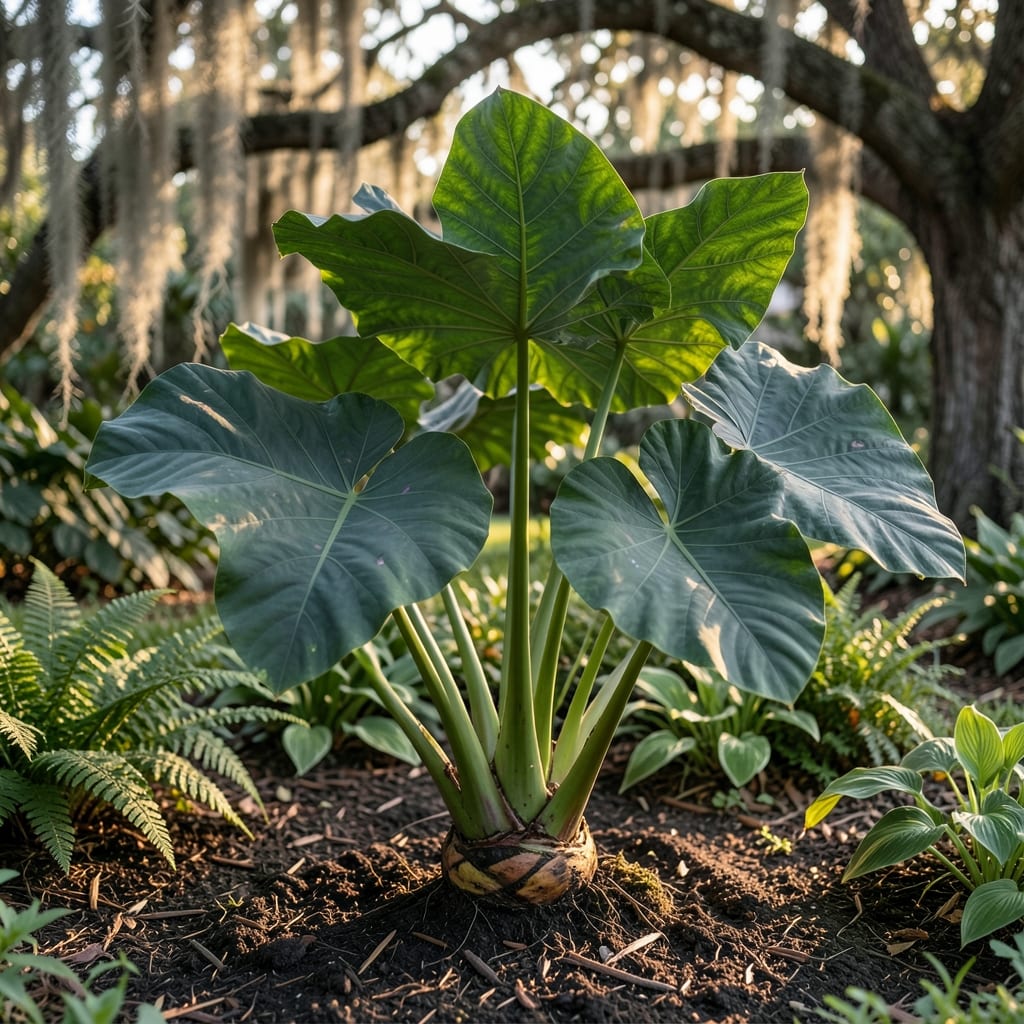
If your Elephant Ear 🌿 plant’s leaves are looking dull or crispy, you’re probably guessing wrong about its light needs. The truth? These showstopping plants thrive in bright, indirect light—but too much direct sun will fry them faster than a forgotten pot on a windowsill.
Most gardeners overestimate what Elephant Ear plants can handle, leading to sunburned edges or weak, leggy growth. The key is 4–6 hours of morning sun, especially in hot climates, followed by afternoon shade. Whether you’re growing them outdoors in USDA Zone 6a or indoors near a window, nailing this balance makes all the difference.
I’ve seen firsthand how a little adjustment—like moving a pot from harsh afternoon rays to dappled shade—can transform a struggling plant into a lush, vibrant centerpiece. Let me show you exactly how to set it up right, so your Elephant Ear becomes the star of your garden or home.
Ready to stop the guesswork? You’ll learn how to spot the signs of over- or under-lighting and tweak your setup for year-round success, whether you’re planting in spring or keeping them indoors all season long.

Ideal sunlight requirements for Elephant Ear plants by variety
Elephant Ear plants—whether Colocasia, Alocasia, or Xanthosoma—aren’t one-size-fits-all when it comes to light. While they all prefer bright, indirect light, some varieties handle more sun than others. For example, Colocasia varieties like 'Black Stem' tolerate morning sun beautifully, while Alocasia types like 'Polly' prefer dappled shade to prevent leaf scorch.
The general rule? Aim for 4–6 hours of morning sunlight daily, especially in USDA Zone 6a or hotter climates. Afternoon sun—especially between 12 PM and 4 PM—can turn their leaves crispy or bleached. Think of it like giving your plant a sunny breakfast but a shady afternoon nap.
Here’s the breakdown: Colocasia varieties are the most adaptable, thriving in partial shade (30–50% light), while Alocasia and Xanthosoma lean toward bright indirect light (40–60%). Even within these groups, dark-leaved varieties (like 'Mojito') need slightly more shade to protect their deep purple or black foliage from fading.
| Variety | Light Needs | Best Placement | Notes |
|---|---|---|---|
| Colocasia (e.g., 'Black Stem') | Partial shade (30–50%) | East-facing window or dappled shade outdoors | Most sun-tolerant; handles morning sun well |
| Alocasia (e.g., 'Polly') | Bright indirect (40–60%) | North or east window; sheer curtain filter | Delicate leaves burn easily in direct sun |
| Xanthosoma (e.g., 'Taro') | Partial shade (30–40%) | West-facing window with afternoon shade cloth | Tropical roots need humidity; avoid dry heat |
| Dark-leaved (e.g., 'Mojito') | Bright indirect (40–50%) | Under trees or east-facing porch | Protect from fading; avoid harsh afternoon light |
Outdoors, position your Elephant Ear plants where they’ll get filtered sunlight, like under deciduous trees that provide shade in summer but allow light in winter. In containers, rotate the pot quarter-turns weekly to ensure even growth—leaves will lean toward the light if one side gets more exposure.
Indoors, an east-facing window is ideal because it offers gentle morning light without the intensity of south or west windows. If your space only has a south-facing window, use a sheer white curtain to diffuse the light and prevent leaf burn. Avoid north-facing windows unless you supplement with a grow light for 4–6 hours daily.
Pro tip: If you’re transitioning a houseplant outdoors for summer, acclimate it gradually over 7–10 days. Start with 2 hours of morning sun and slowly increase exposure to avoid sun shock, which causes sudden yellowing or browning.
Remember, Elephant Ear plants are not desert dwellers—they thrive in the understory light of tropical forests. Mimic that environment, and you’ll reward yourself with bold, healthy foliage all season long.
Signs your Elephant Ear plant has too much or too little light
Your Elephant Ear 🌿 plant speaks volumes through its leaves—if you know what to watch for. Overlighting (too much sun) causes crispy, brown edges that feel like sandpaper, while underlighting (too little) leads to pale, leggy stems and small, weak leaves. I’ve seen both extremes in my garden, and the fixes are simple once you spot the clues.
The most obvious sunburn warning is brown, papery patches on leaf edges or tips. These areas dry out faster than the rest of the leaf, especially in afternoon sun. If you notice this, move your plant to a shadier spot immediately—these patches won’t heal on their own. For Alocasia varieties like 'Polly', even 2 hours of direct afternoon sun can trigger this reaction.
Don’t confuse sunburn (brown, crispy edges) with underwatering (brown, dry patches that feel brittle). Sunburn starts at leaf edges, while thirst stress appears randomly across the leaf. If in doubt, check soil moisture first—then adjust light.
On the flip side, underlighted Elephant Ear plants stretch toward the light, producing long, thin stems with small, sparse leaves. This "leggy" growth happens when plants don’t get enough bright indirect light (40–60% light). If your plant looks like it’s reaching for the sky, it’s begging for more light—just not direct sun. Try moving it closer to an east-facing window or supplement with a grow light for 4–6 hours daily.
Another red flag? Yellowing leaves that start at the bottom. While this can signal overwatering, it’s often a light deficiency in cooler months when daylight shortens. If your plant’s lower leaves turn yellow but the soil stays moist, it’s likely not getting enough light to fuel photosynthesis. In this case, rotate the pot weekly to ensure even light exposure on all sides.
Seasonal changes complicate things. Outdoor plants in summer may need more afternoon shade than in spring, while indoor plants near south-facing windows might need sheer curtains in July but thrive in direct light during winter’s weaker sun. I adjust my Elephant Ear care twice a year—once when days lengthen in spring and again when they shorten in fall—to keep the light balance perfect.
Here’s my quick-fix