
Plants
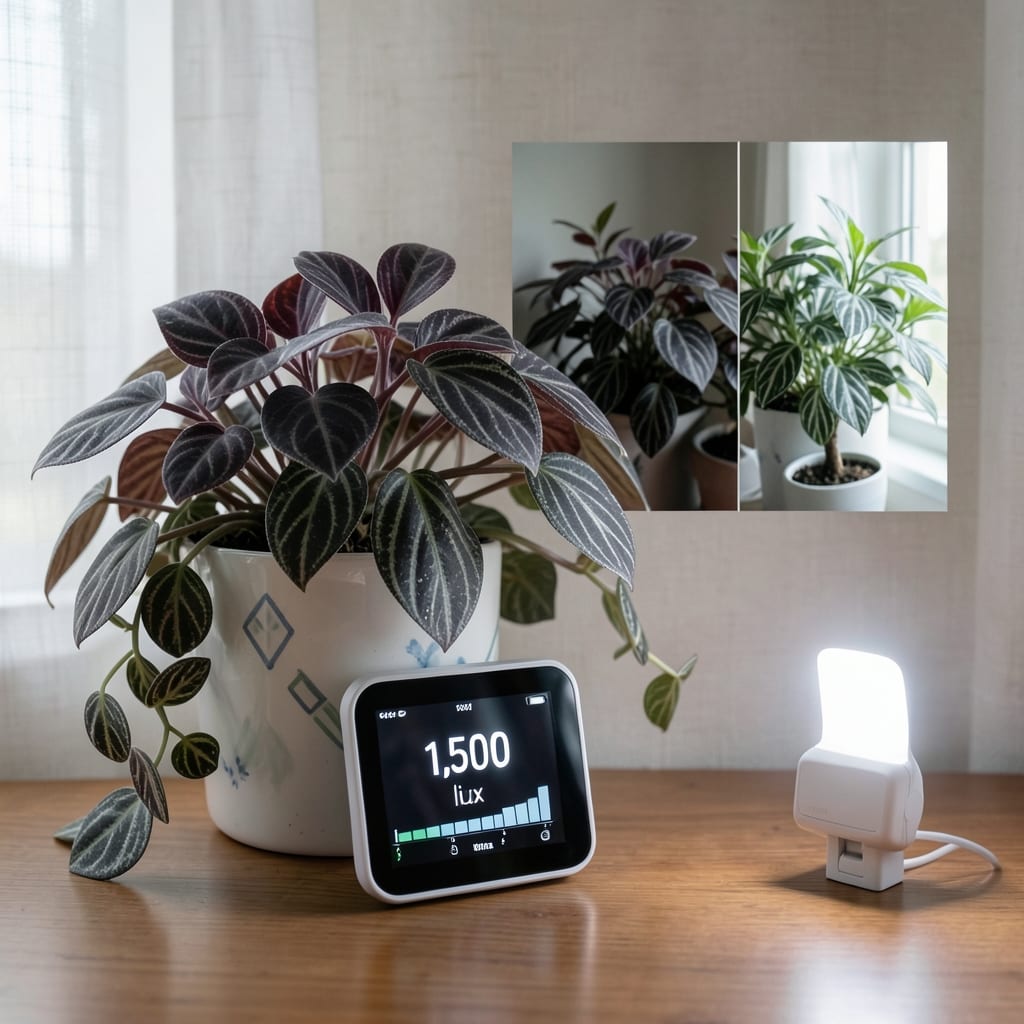
If you’re wondering how much light does an inch plant need to thrive, the answer is simpler than you think—it’s all about bright indirect sunlight, not harsh direct rays that can scorch those delicate leaves.
I’ve seen firsthand how a simple adjustment in lighting can transform a struggling inch plant into a showstopper. Whether you’re dealing with leggy stems or faded foliage, understanding its light needs is the key to keeping it healthy year-round. Let’s break down exactly how much light your inch plant craves and how to give it just the right amount.
Most people assume these plants thrive in low light, but that’s a common misconception. In reality, 4-6 hours of bright indirect light is ideal, and I’ll show you how to replicate that perfect balance—even if you don’t have a sunroom. From positioning near windows to troubleshooting over-exposure, you’ll learn all the tricks to keep your inch plant looking its best.
Ready to give your plant the light it deserves? By the end of this guide, you’ll know exactly where to place it, how to spot signs of too much or too little light, and even how to supplement with grow lights if needed. Let’s get started!


Optimal light requirements for inch plants: bright indirect sun explained
Your inch plant (Tradescantia zebrina) thrives in bright indirect light, which mimics its natural understory habitat. This means it needs plenty of light—but not the harsh, direct midday sun that can burn its delicate leaves. Think of it like a dappled forest floor: filtered sunlight that brightens the space without scorching.
Most gardeners assume these plants do well in low light, but that’s a common mistake. In reality, 4-6 hours of bright indirect light daily is ideal for maintaining those signature purple undersides and vibrant green foliage. Without enough light, your plant may stretch toward windows (a condition called etiolation) or lose its striking coloration.
Here’s the key: east-facing or west-facing windows provide the perfect balance. South-facing windows can work too, but only if you use a sheer curtain to diffuse the intense afternoon sun. North-facing windows often don’t offer enough light, leading to weak, leggy growth.
I’ve tested this with my own plants—those near my west-facing kitchen window (with a light curtain) grow the fastest and maintain their bold purple undersides. Meanwhile, the one in my dim living room stretches painfully toward the light source.
| Light Condition | Ideal Duration | Plant Response | Best For |
|---|---|---|---|
| Bright Indirect Light | 4-6 hours daily | Vibrant foliage, compact growth, purple undersides | Healthy, thriving plants |
| Low Light | <2 hours daily | Leggy stems, pale leaves, lost coloration | Survival mode only |
| Direct Sunlight | >2 hours daily | Brown leaf edges, crispy texture, sunburn | Avoid at all costs |
| Filtered Sun (Sheer Curtain) | 6-8 hours daily | Balanced growth, minimal stress | South-facing windows |
🌱 Pro Tip: Rotate your plant quarter-turn weekly to ensure even light exposure.
Seasonal changes also affect your inch plant’s light needs. During winter months, when natural light is weaker, you might need to supplement with a grow light for 6-8 hours daily. I use a simple LED grow bulb near my plants from November through February, and it makes a noticeable difference in their growth rate.
In summer, the opposite is true—your plant may need protection from the intense midday sun. If you notice brown crispy edges on the leaves, it’s a sure sign of sunburn. Move the plant back a few feet from the window or add a sheer curtain to diffuse the light.
One of the biggest misconceptions is that inch plants can thrive in dark corners. While they’re more tolerant than many houseplants, they’ll never reach their full potential without adequate light. The purple undersides of the leaves fade to green in low light, and the plant becomes weak and spindly.
To test your plant’s current light conditions, observe its leaves for 3-5 days. If the undersides remain deep purple and the growth is compact, you’re in the sweet spot. If the leaves are pale and stretched, it’s time to move it closer to a brighter window—or invest in a grow light.
Remember, the goal is to mimic the dappled sunlight of a forest understory. With the right balance, your inch plant will reward you with lush, vibrant growth that’s the envy of every plant lover’s collection. 🌿
Optimal light requirements for inch plants: bright indirect sun explained
Inch plants (Tradescantia zebrina) thrive best with 4-6 hours of bright indirect light daily. This means placing them near a window where sunlight filters through sheer curtains—think east or west-facing windows for the gentlest exposure. Direct midday sun, especially from south-facing windows, can scorch those striking purple undersides and cause leaf burn.
The ideal light intensity mimics dappled forest sunlight—bright enough to keep foliage vibrant but diffused to prevent damage. If your plant starts stretching toward the light or developing pale, leggy stems, it’s craving more brightness. Conversely, if leaves darken or grow small, it’s getting too much direct sun.
Seasonal adjustments are key: summer months require slightly more shade, while winter light (weaker and shorter days) may need supplementation. I’ve found rotating plants quarter-turns weekly ensures even growth and prevents lopsided exposure.
| Light Condition | Daily Hours | Plant Response | Best For |
|---|---|---|---|
| Bright Indirect | 4-6 hours | Vibrant purple undersides, compact growth | Ideal condition |
| Low Light | <2 hours | Leggy stems, pale leaves | Avoid long-term |
| Direct Sun | >3 hours | Brown edges, crispy leaves | Never recommended |
| Filtered Sun | 6-8 hours (with shade) | Healthy growth, minimal stress | Summer adjustment |
For indoor growers, LED grow lights (12-15 watts per square foot) can supplement natural light during winter months. Position lights 6-12 inches above the plant and provide 12-14 hours of light daily. I’ve had great success using full-spectrum bulbs to maintain that signature purple foliage year-round.
Outdoor inch plants can handle morning sun but should be moved to partial shade by midday. In containers, rotate them weekly to ensure even light distribution. A simple trick I use is placing pots on a lazy Susan near a window—it gives plants a 360-degree light bath without extra effort.
Remember, observation is key: If your inch plant’s leaves lose their purple hue or develop crispy edges, it’s time to adjust its light exposure. The goal is to mimic its natural habitat—bright but never harsh sunlight.