
Plants
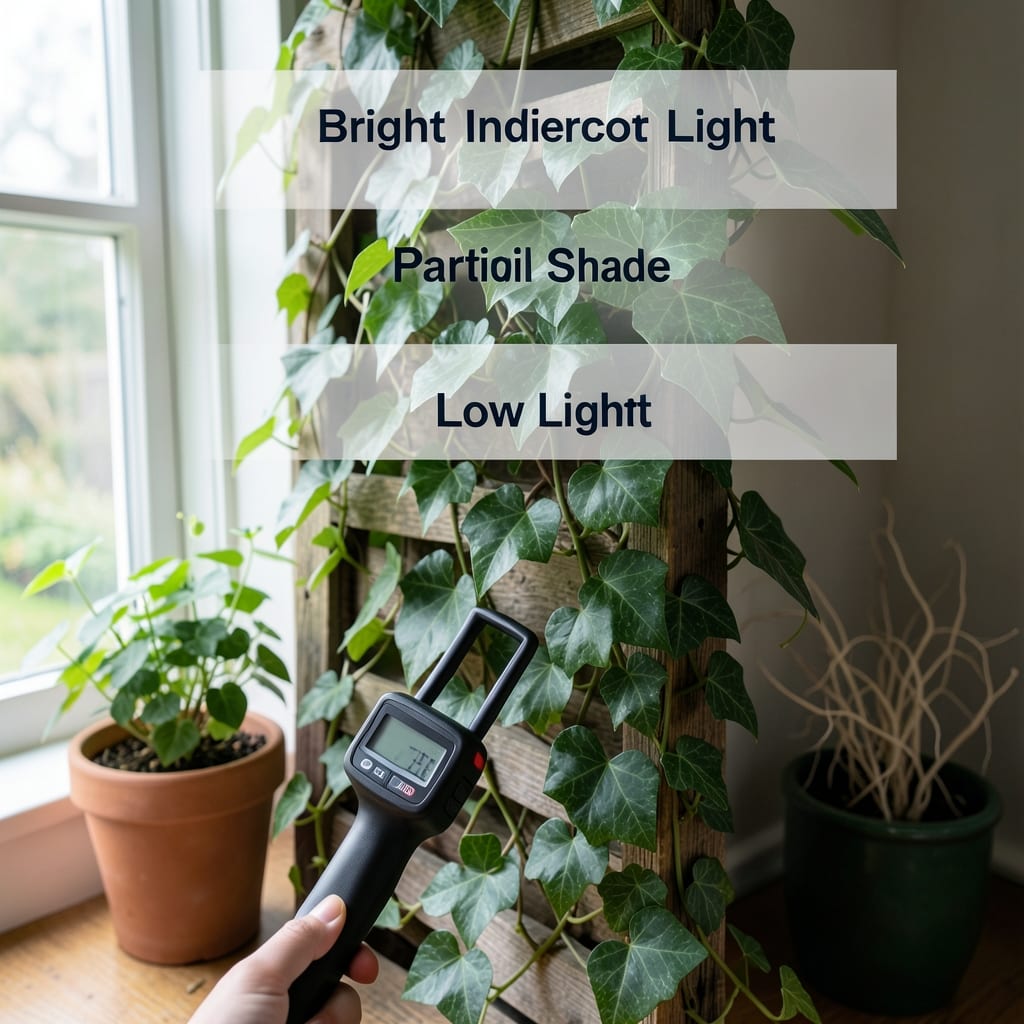
If you’ve ever wondered how much light an ivy plant needs to stay healthy—wilting in one spot but stretching awkwardly toward another—you’re not alone. The truth is, the key to turning those sad, leggy vines into a thriving green wall lies in understanding its light requirements. Too much sun? Crispy edges. Too little? Weak, sparse growth. But here’s the good news: ivy is one of the most forgiving plants for beginners, and with the right light, it’ll reward you with lush, vibrant foliage year-round.
Most ivy varieties—like English ivy or Boston ivy—thrive in low to medium indirect sunlight, making them perfect for homes with limited natural light. Whether you’re placing it near a north-facing window or in a shady corner of your garden, understanding its light needs is the first step to keeping it happy. Let’s break down exactly what your ivy craves and how to give it just the right amount—without guessing.
You might be surprised to learn that ivy can handle as little as 2-4 hours of indirect light daily, but that doesn’t mean it’ll grow its best. For optimal health, aim for 4-6 hours of bright, filtered light—think dappled sunlight through sheer curtains or a spot under a tree. The goal? Mimic its natural habitat, where it climbs trees and thrives in the forest understory. With the right setup, your ivy won’t just survive—it’ll flourish.
Ready to stop the guesswork? I’ll walk you through signs of over- or under-lighting, the best spots in your home or garden, and even how to supplement light if your space falls short. By the end, you’ll know exactly where to place your ivy for stronger growth, richer leaves, and fewer headaches. Let’s get started!

Ivy plant light requirements: the ideal low to medium indirect sunlight breakdown
Ivy plants thrive in low to medium indirect sunlight, making them perfect for homes with limited natural light. While they can survive in shady corners, their growth slows significantly without 4-6 hours of filtered light daily. Understanding your ivy’s light needs is the first step to preventing common issues like yellowing leaves or stunted growth—both signs of improper light exposure.
Not all ivy varieties have identical light preferences. English ivy and Swedish ivy are more adaptable, tolerating bright indirect light or even deep shade, whereas Boston ivy prefers slightly more light to maintain its vibrant foliage. If your ivy is looking leggy or sparse, it’s likely craving more light, while brown patches or crispy edges signal too much direct sun.
Ivy’s flexibility makes it a favorite for indoor gardens, but outdoor plants also benefit from dappled shade—think of the light filtering through tree canopies. In containers, rotate your plant quarter-turns weekly to ensure even light exposure and prevent uneven growth patterns. This simple trick can transform a lopsided ivy into a full, bushy vine.
For indoor ivy, position your plant near a north-facing window to avoid harsh afternoon sun, which can scorch delicate leaves. If your home lacks natural light, supplement with a grow light (LED or fluorescent) placed 12-18 inches above the plant for 12-14 hours daily. This mimics natural light cycles and encourages robust growth, especially during winter months when daylight is scarce.
Outdoor ivy plants should be sheltered from direct midday sun, particularly in hot climates. Use sheer curtains or lattice screens to diffuse sunlight while still allowing bright indirect light to penetrate. In cooler regions, ivy can handle morning sun but may benefit from afternoon shade to prevent heat stress. Always monitor your plant’s response—adjust placement gradually to avoid shocking the foliage.
One common misconception is that ivy can thrive in complete darkness. While it may survive, expect slow growth and pale, weak stems. If your ivy is in a low-light room, like a bathroom or basement, consider rotating it weekly to ensure all sides receive equal exposure. This practice helps maintain a balanced, bushy shape rather than a one-sided, elongated vine.
Seasonal changes also affect light needs. During spring and fall, when sunlight is gentler, ivy can handle more direct light without risk. However, summer’s intense rays demand extra care—move potted ivy to a shadier spot or use a light sheer fabric to filter sunlight. In winter, supplement with artificial light if your plant appears leggy or sparse, as reduced daylight hours can stunt growth.
Pro tip: Use a light meter (or a simple phone app) to measure light intensity in your space. Aim for 1,000-2,000 lux for optimal ivy growth. If readings are below 500 lux, your ivy will struggle—consider relocating it or adding grow lights. With the right light balance, your ivy will reward you with vibrant foliage and rapid, healthy growth all year round.
Remember, ivy’s adaptability is its superpower. Whether you’re growing it as a hanging basket, a green wall, or a ground cover, tweaking light exposure based on its variety and location will keep it thriving. Start with these guidelines, observe your plant’s response, and adjust as needed—your ivy will thank you with lush, vibrant growth!
Ivy plant light requirements: the ideal low to medium indirect sunlight breakdown
Ivy plants are masters of adaptability, but their light needs are often misunderstood. While they can survive in low-light conditions, they truly thrive with 4-6 hours of bright, indirect sunlight daily. This mimics their natural habitat under forest canopies, where they climb trees without direct sun exposure. The key is finding that sweet spot—enough light for vibrant growth, but not so intense it burns delicate foliage.
Most common ivy varieties, like English ivy and Boston ivy, prefer partial shade. However, Swedish ivy (a variegated type) often needs slightly more light to maintain its striking patterns. Think of it this way: if your ivy is stretching toward a window or developing pale leaves, it’s begging for more light. But if the edges are crispy or yellowing, it’s getting too much direct sun.
| Variety | Ideal Light Conditions | Signs of Overlight | Signs of Underlight |
|---|---|---|---|
| English Ivy | 4-6 hours indirect light | Brown leaf edges, crispy texture | Leggy growth, pale leaves |
| Boston Ivy | 4-5 hours indirect light | Sunburn spots, yellowing | Slow growth, sparse foliage |
| Swedish Ivy | 5-6 hours bright indirect light | Variegation fades, bleached leaves | Loss of pattern, dull color |
Indoors, the best spot for your ivy is near a north-facing window, where it gets gentle morning light without harsh afternoon rays. East-facing windows work too, but avoid south or west exposures unless you’re using sheer curtains to diffuse the light. Outdoors, ivy loves dappled shade under trees or on covered patios. Just remember: even shade-loving plants need some light to photosynthesize properly.
If you notice your ivy’s leaves turning yellow or brown, it’s a red flag. Yellowing often signals too much direct sun, while brown, crispy edges mean the plant is sunburned. On the flip side, if new growth is pale and stretched out, your ivy is reaching for more light. The solution? Rotate your plant every few weeks so all sides get even exposure, and consider moving it closer to a light source if growth slows.
For variegated ivies, like the popular Hedera helix ‘Glacier’, light is even more critical. These varieties need slightly more brightness to maintain their creamy white or yellow patterns. Without enough light, the variegation fades, and the plant loses its striking appearance. If you’re growing ivy in a low-light room, like a bathroom or basement, supplement with a grow light for 6-8 hours daily to keep it thriving.
Pro tip: Ivy is incredibly forgiving, so don’t stress if you can’t hit the perfect light conditions right away. Even 2-3 hours of indirect light will keep it alive, though growth may be slower. The goal is to gradually adjust its environment—move it closer to a window over time, or rotate it to encourage bushier growth. With patience, your ivy will reward you with dense, healthy foliage that’s perfect for climbing, trailing, or adding greenery to any space. 🌿