
Plants
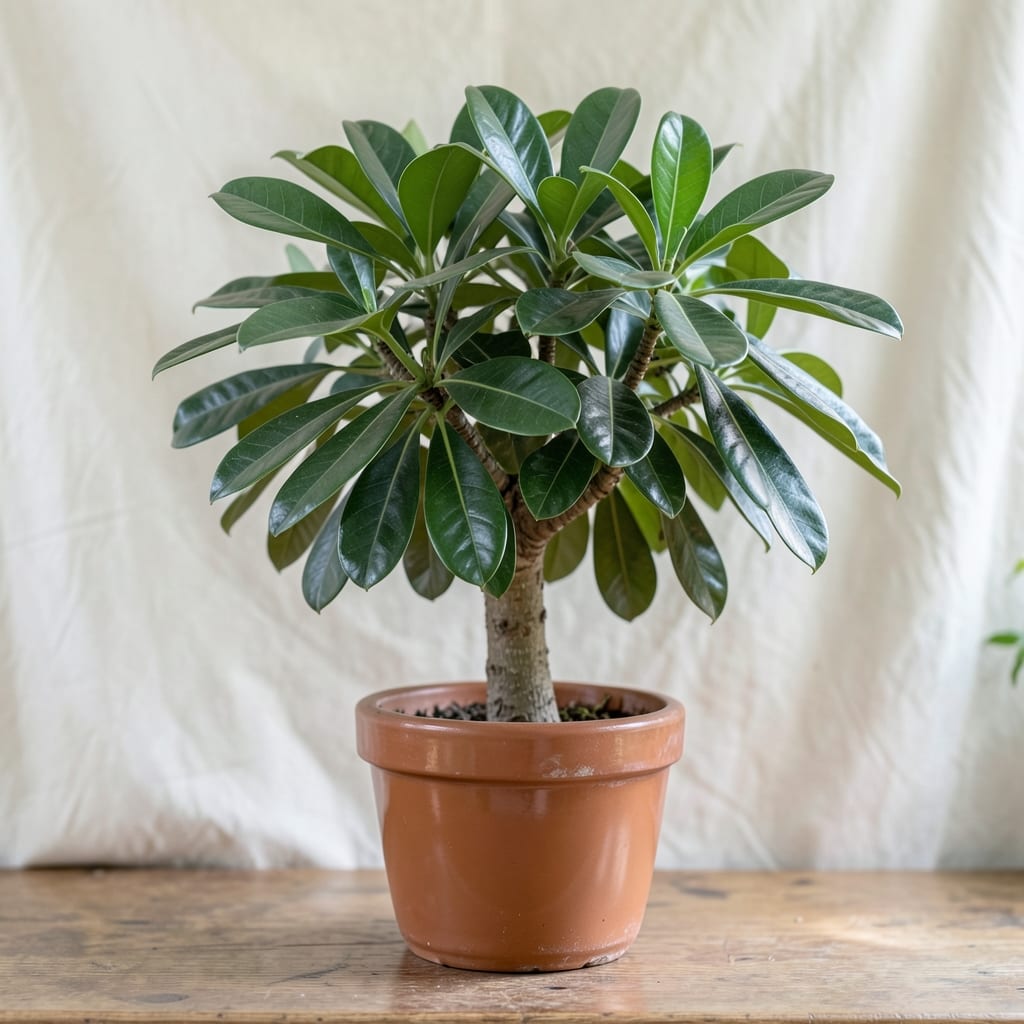
If your 🌿 Umbrella Plant is struggling with yellow leaves or leggy growth, you're probably dealing with how much light does an umbrella plant need—the wrong conditions can send it into a slow decline. This hardy houseplant thrives in bright indirect light, but too much direct sun or insufficient brightness can cause these issues.
Finding the perfect balance is easier than you think. Most homes naturally provide ideal conditions near east or north-facing windows, where sunlight filters gently without scorching delicate foliage. Even low-light spaces can work with the right adjustments—we’ll show you exactly how to spot the signs and fix common mistakes.
Whether you're dealing with a 6a zone patio or an indoor office plant, understanding light needs is the key to keeping your Umbrella Plant lush year-round. Let’s break down the science behind its light requirements and how to create the perfect environment for growth.
From seasonal shifts to artificial lighting solutions, we’ll cover everything you need to know to keep your plant thriving. Ready to transform those sad, droopy leaves into vibrant, healthy growth? Let’s get started.


Ideal light requirements for umbrella plants: low to bright indirect light explained
Your umbrella plant (Schefflera) thrives in bright indirect light, which means it needs plenty of sunlight without harsh direct rays. Think of it like a morning coffee break—gentle, warm, and never scorching. This light spectrum mimics its natural habitat in tropical rainforests, where dappled sunlight filters through the canopy.
In most homes, the east-facing window provides the perfect balance, offering 4-6 hours of morning sun followed by softer afternoon light. If you have a south-facing window, position your plant 10-20 feet away to avoid leaf burn. North-facing windows work too, but you may need to supplement with artificial grow lights during winter months.
To test your plant’s light conditions, use the shadow test: Place a small object (like a pencil) near your plant and observe its shadow. If the shadow is sharp and dark, your plant is getting too much direct sun. If it’s fuzzy or nonexistent, it’s likely in low light. Aim for a soft, defined shadow—this is the sweet spot for your Schefflera.
| Light Condition | Ideal Placement | Seasonal Adjustments |
|---|---|---|
| Bright Indirect Light | East or North window, 2-3 ft away | Year-round ideal |
| Low Light | West window (filtered) or 6+ ft from South window | Supplement with grow lights in winter |
| Direct Sunlight | South or West window (morning only) | Use sheer curtains to diffuse rays |
During summer months, your umbrella plant can handle 2-3 hours of morning sun from a south-facing window, but always protect it from afternoon rays (1 PM - 5 PM), which can cause leaf scorch. In winter, when natural light is weaker, move your plant closer to a window or rotate it weekly to ensure even growth. Uneven light exposure leads to lopsided foliage, where leaves stretch toward the light source.
If you’re unsure about your home’s light conditions, observe your plant’s growth patterns. Healthy leaves should be deep green and glossy, with new growth appearing evenly spaced. If you notice pale or yellowing leaves, it’s a sign of insufficient light. Conversely, brown patches or crispy edges mean it’s getting too much direct sun. Adjust accordingly by moving your plant or using light-filtering curtains.
Outdoor enthusiasts can place umbrella plants in partial shade gardens or under tree canopies, where they’ll receive filtered sunlight similar to their indoor needs. Just avoid deep shade areas, as these can lead to weak, leggy growth. With the right light balance, your Schefflera will reward you with lush, vibrant foliage and minimal care demands.
Pro tip: Rotate your plant quarter-turns every 2-3 weeks to ensure all sides receive equal light exposure. This simple habit prevents one-sided growth and keeps your umbrella plant looking symmetrical and thriving. 🌿
Ideal light requirements for umbrella plants: low to bright indirect light explained
Your 🌿 Umbrella Plant (Schefflera) thrives in bright indirect light, but finding the perfect balance is key. Too little light causes leggy growth, while too much direct sun scorches its leaves. The ideal spot mimics dappled sunlight—like under a canopy of trees—where light filters gently without harsh rays.
In most homes, an east-facing window provides the perfect balance, offering morning sunlight without the intense afternoon heat. If your space only has a south-facing window, place your plant 10-20 feet away to diffuse the light naturally. North-facing windows work too, but you may need to supplement with artificial light during winter months.
Here’s how to test your plant’s light conditions: Place a piece of white paper near your plant for a few hours. If the shadows are sharp and dark, the light is too intense. If the paper barely shows shadows, your plant needs more brightness. Aim for moderate shadows—this is your sweet spot for optimal growth.
🌱 Umbrella Plant Light Requirements Summary
| Light Type | Ideal Conditions | Seasonal Adjustments |
|---|---|---|
| Bright Indirect | East or North window, 2-3 ft away | Rotate plant quarterly for even growth |
| Low Light | North window or 6+ ft from South window | Use grow lights 12-14 hrs/day in winter |
| Direct Sun | Only morning sun, 2+ hours max | Move to indirect light by noon |
During summer months, your Umbrella Plant can handle up to 2 hours of morning sun, but always move it away from windows by midday to prevent leaf burn. In winter, when natural light dims, supplement with a 15-watt LED grow light placed 12 inches away for 6-8 hours daily. This mimics the longer daylight hours and keeps your plant thriving.
If you notice your plant leaning toward the light, it’s a clear sign it needs to be rotated ¼ turn weekly. This ensures even growth and prevents lopsided foliage. Pro tip: Group plants together—their leaves create natural shade for each other, reducing the risk of sun damage.
For outdoor growers in USDA Zone 6a, your Umbrella Plant can enjoy partial shade on patios during spring and fall. Just avoid placing it under harsh afternoon sun, which can cause irreversible damage to its delicate leaves. With the right light balance, your plant will reward you with vibrant, glossy foliage all year round.