
Light Requirements
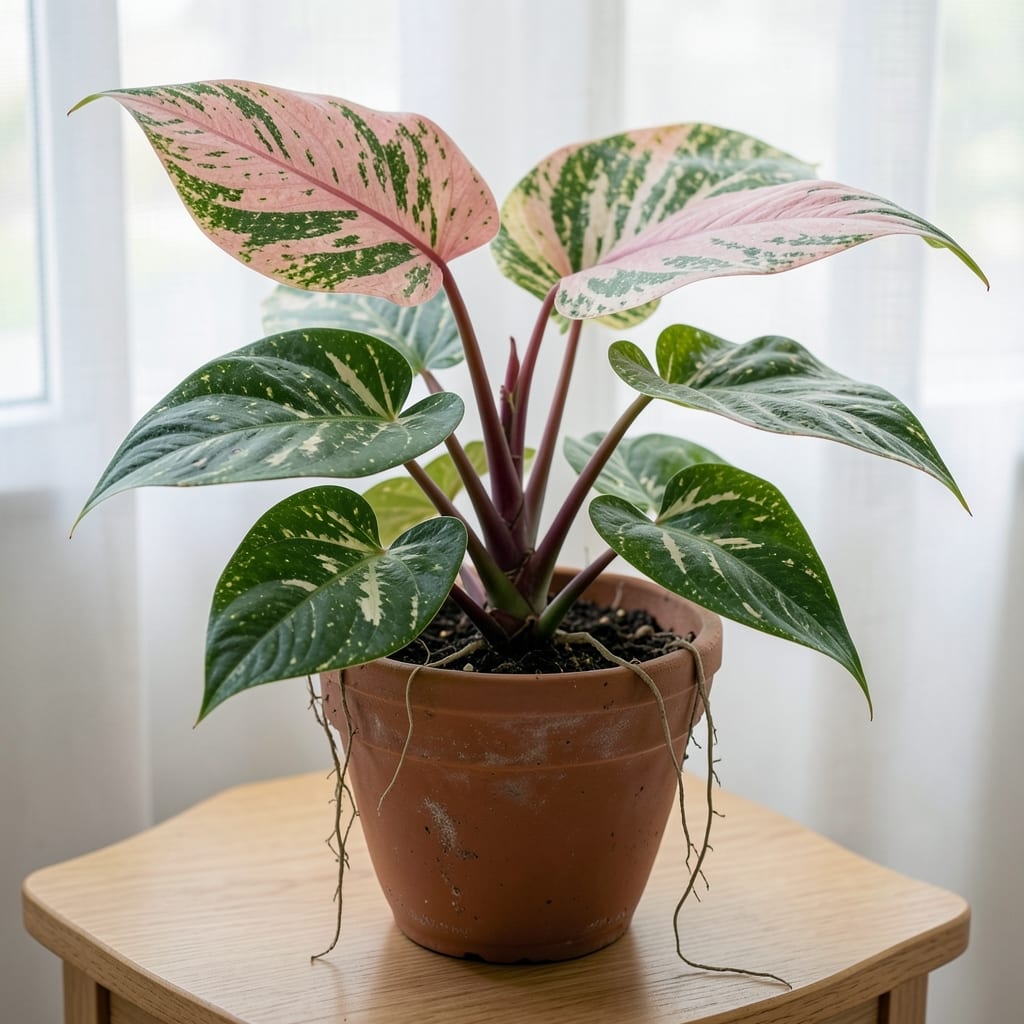
If your Arrowhead Plant 🌿 keeps stretching toward the light like a sleepy cat reaching for the sun, you’re not alone—how much light does Arrowhead Plant need is the #1 question that stumps even experienced plant parents. Too little, and it grows leggy; too much, and those gorgeous leaves crisp up like toast. The sweet spot? Bright, indirect light for 3-4 hours a day, but most homes mess this up without realizing it.
Here’s the kicker: your Arrowhead Plant isn’t picky, but it is dramatic. Place it in a north-facing window, and it’ll tolerate the dimmer light—though its growth might slow to a crawl. Shove it in a south-facing spot, and those leaves will start begging for mercy with brown patches. The key? Mimicking its natural jungle habitat where dappled sunlight filters through the canopy.
I’ve helped countless plants bounce back from light mishaps, and I’ll show you exactly how to spot the signs—yellowing leaves, stretched stems, or crispy edges—and fix them in 3 simple steps. Whether you’re dealing with a gloomy apartment or a window that’s too hot, we’ll find the perfect spot for your Syngonium to thrive.
Ready to turn that sad, leggy plant into a lush, leafy beauty? Let’s dive into the light secrets your Arrowhead Plant’s been hiding—and why location matters more than you think.


Optimal light requirements for Arrowhead plant growth: the 3-4 hour rule
The Arrowhead Plant (Syngonium podophyllum) thrives on bright indirect light for 3-4 hours daily, mimicking its native jungle habitat. This means placing it near a window—but not directly in the sun. Think of it like a shade-loving sunbather: it wants light without the harsh rays.
Direct sunlight, especially afternoon sun, can scorch those gorgeous leaves, leaving brown crispy patches. Instead, aim for east-facing or west-facing windows, where sunlight is gentler. A 2-3 foot distance from the window creates the perfect balance.
If you’re unsure about your window’s intensity, test it with your hand: if you can comfortably hold it near the glass for 10 minutes without burning, it’s likely safe for your Arrowhead. Too hot? Move it back.
Arrowhead Plants are flexible but not forgiving. While they can adapt to lower light conditions, growth slows dramatically, and leaves may lose their vibrant variegation. On the flip side, too much direct sun causes oxidative stress, leading to those unsightly brown patches.
Pro tip: Rotate your plant quarter-turn weekly to ensure even growth. This prevents one side from stretching toward the light while the other stays weak—a common issue in single-direction windows.
For summer months, watch for intense afternoon sun and adjust by moving your plant deeper into the room or adding a light sheer curtain. In winter, supplement with a grow light if natural light drops below 4 hours daily.
Remember, your Arrowhead Plant’s leaves are its energy factories. Too little light, and they can’t photosynthesize efficiently. Too much, and they overheat. The 3-4 hour rule keeps them in their sweet spot for lush, healthy growth.
If you’re still unsure, observe your plant’s growth patterns. Are the leaves reaching upward? That’s a cry for more light. Are they curling or browning? Time to move it to a shadier spot. Your Arrowhead will thank you with bold, arrow-shaped leaves that’ll be the envy of every plant lover.
Optimal light requirements for Arrowhead plant growth: the 3-4 hour rule
Your Arrowhead Plant (Syngonium podophyllum) thrives in bright indirect light, mimicking its natural jungle habitat where sunlight filters through tree canopies. The magic number? 3-4 hours of bright, filtered sunlight daily. This balance prevents leggy growth while avoiding leaf burn from harsh rays. Think of it like a sunbathing session at a café—enjoyable but not scorching.
East or west-facing windows are ideal because they offer gentle morning or afternoon light without the intense midday sun. South-facing windows can work too, but you’ll need to filter the light with sheer curtains to prevent damage. Avoid north-facing windows unless your plant is already struggling—it’ll grow slowly there, with pale, sparse leaves.
Here’s the golden rule: if your plant’s leaves start looking crispy or bleached, it’s getting too much direct sun. If they’re stretching upward with long, thin stems, it’s begging for more light. The goal is compact, glossy leaves with vibrant colors—proof your Arrowhead is happy in its spot.
Seasonal shifts matter too. In summer, your Arrowhead might need afternoon shade to avoid scorching, while winter’s weaker light could mean supplementing with a grow light for 6-8 hours to keep it thriving. Rotate your plant quarter-turns weekly so all sides get even light exposure—this prevents lopsided growth and keeps those arrow-shaped leaves symmetrical.
Pro tip: If your home lacks ideal windows, LED grow lights are a game-changer. Place them 6-12 inches above the plant for 12-14 hours daily to mimic natural daylight cycles. Brands like Sprout Pro or GE LED Plus offer affordable, energy-efficient options tailored for houseplants.
Remember, your Arrowhead Plant is a low-maintenance diva—it’ll tolerate some flexibility but rewards you with bold foliage and faster growth when you nail the light. Start with these guidelines, observe how your plant responds, and adjust as needed. That’s how you grow a showstopping Syngonium! 🌿