
Light Requirements
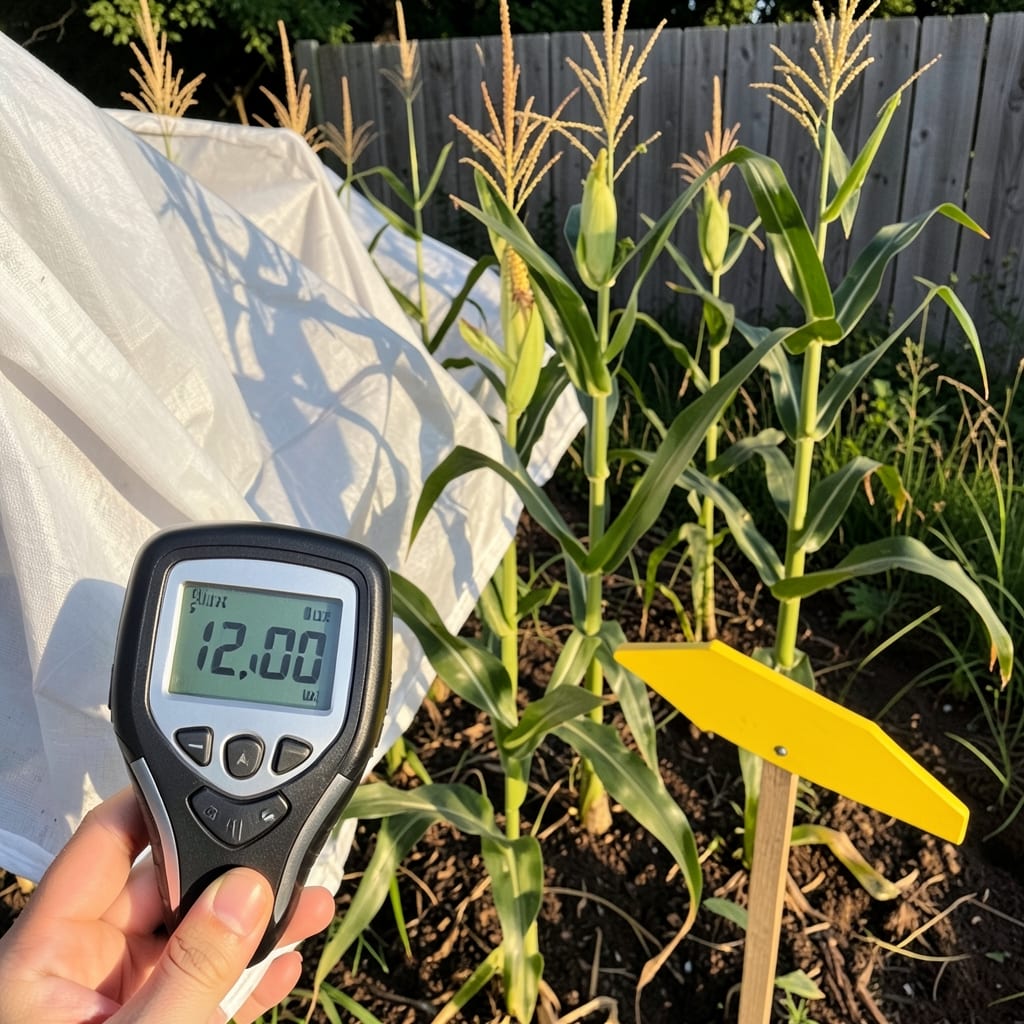
Optimal light requirements for corn plants: bright indirect sunlight explained
Corn plants (Zea mays) are sun worshippers—thriving under full sun exposure for at least 6-8 hours daily. Unlike their indoor counterparts (like the Dracaena fragrans), garden corn demands direct sunlight to produce those sweet, plump ears. Without enough light, you’ll get tall, spindly stalks with tiny ears or no ears at all.
In nature, corn plants grow in open fields where they bask in unfiltered sunlight. Recreating this in your garden means placing them in the sunniest spot possible, free from towering trees or buildings that cast shade. Even partial shade can reduce ear size and lower sugar content in the kernels.
Here’s the light breakdown for corn plants: Low light (<3 hours/day): Poor growth, weak stalks, yellowing leaves. Medium light (4-6 hours/day): Survival mode, smaller ears, slower maturity. Full sun (6+ hours/day): Optimal growth, large ears, sweet kernels.
| Light Level | Daily Sunlight | Growth Impact | Ear Production |
|---|---|---|---|
| Low Light | <3 hours | Stunted, weak stalks | None or tiny |
| Medium Light | 4-6 hours | Slow growth, leggy | Small ears |
| Full Sun | 6-8+ hours | Strong, healthy stalks | Large, sweet ears |
🌽 Pro Tip: Morning sun is gentler; afternoon sun can scorch leaves in hot climates.
Seasonal adjustments matter too. In spring and fall, when sunlight is softer, corn plants may need supplemental light (like reflective mulch or nearby reflective surfaces) to compensate. During summer solstice, they’ll soak up 10+ hours of daylight naturally, but avoid midday shade—this is when photosynthesis peaks.
Watch for light deficiency signs: Pale yellow leaves, long internodes (spacings between leaves), and slow tasseling. If you notice these, your corn isn’t getting enough light. On the flip side, brown leaf tips or wilted silks signal too much direct sun, especially in dry climates.
For container-grown corn, place pots on south-facing patios or use reflective surfaces (like white walls) to bounce extra light onto the plants. Rotate containers weekly to ensure even sunlight exposure on all sides—corn plants grow toward the light, and uneven exposure can cause leaning stalks.
In northern climates, extend the growing season with row covers or low tunnels to capture more sunlight. Even an extra 2-3 hours of light can mean the difference between harvest-ready ears and underdeveloped cobs. Remember, corn plants are photoperiod-sensitive, meaning they need consistent light to trigger flowering and ear development.
If you’re growing corn in urban gardens with limited space, prioritize south-facing walls or rooftop gardens where sunlight is most abundant. Even a 6-foot-tall trellis near a sunny wall can maximize light exposure for bush varieties like 'Golden Bantam' or 'Silver Queen'.
For organic gardeners, avoid artificial light tricks—corn plants won’t tolerate fluorescent bulbs alone. Instead, focus on optimizing natural light through clearing debris, pruning nearby plants, and planting in raised beds for better heat absorption and light penetration.
Final rule of thumb: If your corn plants look weak or stretched, they’re begging for more light. Move them to a sunnier spot immediately—once ears form, it’s too late to save the harvest. Sunlight is the #1 factor in growing sweet, plump corn, so don’t skimp on it!
How to position your corn plant for perfect light: room-by-room guide
Finding the perfect spot for your corn plant isn’t just about sunlight—it’s about balancing natural light with your home’s layout. In kitchens or sunrooms, south-facing windows are goldmines, but east or west windows can work too with a few tweaks. Let’s break down the best placements for every room in your home to keep those corn plant leaves lush and vibrant.
Start by identifying the sunniest window in your home. South-facing windows receive the most direct sunlight (6-8 hours daily), making them ideal for corn plant growth. If your home lacks south-facing windows, prioritize east or west exposures, but be prepared to supplement with grow lights during shorter winter days. Even a bright indirect light spot near a window can work, but growth may be slower.
🌽
🌱 Best Window Placements for Corn Plants
South-Facing Windows
- Pros: 6-8 hours of direct sun
- Cons: Can get too hot in summer
East-Facing Windows
- Pros: Gentle morning sun, cooler temps
- Cons: Less sunlight in afternoon
West-Facing Windows
- Pros: Intense afternoon sun
- Cons: Risk of leaf scorch
North-Facing Windows
- Pros: Consistent indirect light
- Cons: Requires grow lights for growth
If your corn plant lives in a living room or bedroom without ideal windows, don’t despair. Rotate the plant quarter-turns weekly to ensure even light exposure. For rooms with low natural light, invest in a full-spectrum LED grow light. Place it 6-12 inches above the plant and keep it on for 12-14 hours daily to mimic sunlight.
In offices or home offices, position your corn plant near a window but avoid drafts from air conditioning or heating vents. If the window is too far away, use a reflective surface like a mirror to bounce extra light onto the leaves. Even a sunny balcony or patio can work—just ensure the plant gets at least 4-6 hours of direct sun daily.
For indoor gardens or greenhouses, monitor light levels with a light meter or observe your plant’s response. If leaves stretch toward the light (etiolation) or turn pale, it’s time to move the plant closer to a brighter spot or add supplemental lighting. With the right placement, your corn plant will thrive year-round, even in less-than-ideal lighting conditions.
☀️