Size
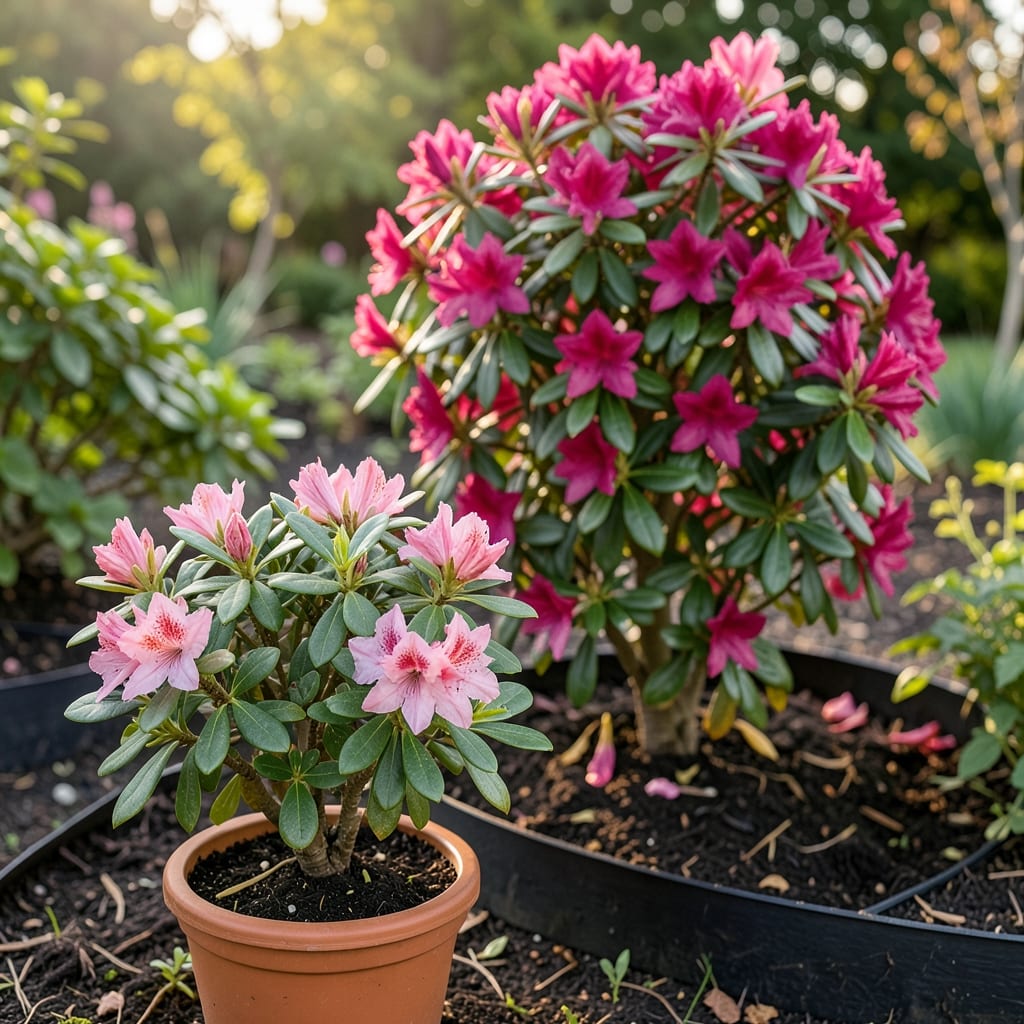
If you’re dreaming of adding azaleas 🌸 to your garden but wondering how tall these plants grow, the answer depends more on the variety than you think. These vibrant shrubs can range from tiny tabletop plants to towering statement pieces—some barely reaching your waist while others rival small trees.
For gardeners in USDA Zone 6a, choosing the right type is key. Dwarf azaleas typically max out at 3 feet, perfect for borders or containers, while standard varieties can soar to 12 feet or more, making them ideal for hedges or focal points. The difference isn’t just about space—it’s also about sunlight, soil, and how (or if) you prune.
Let’s break down the height spectrum so you can pick the perfect azalea for your space—whether you want a compact accent plant or a bold landscape shrub. You’ll also discover how simple adjustments can keep your azalea at your desired height, year after year.
Ready to transform your garden with these stunning blooms? We’ll cover everything from soil prep to pruning secrets so your azalea thrives—and stays the size you love.


Azalea height ranges: from dwarf varieties to giant shrubs explained
Azaleas are one of those plants where size isn’t one-size-fits-all. Whether you’re working with a small courtyard garden or a sprawling landscape, there’s an azalea variety that’ll fit perfectly. The key is understanding the four main height categories: dwarf, semi-dwarf, standard, and tall. Each grows at a different pace and reaches a distinct mature height, so let’s break down what to expect.
For gardeners in USDA Zone 6a, where winters can be harsh, choosing the right size matters even more. A dwarf azalea might survive better in a protected spot, while a tall variety could become a windbreak. The height you choose will also impact how much you’ll need to prune—and how often.
Here’s the real-world growth spectrum, so you can visualize which azalea will thrive in your space:
| Category | Mature Height | Growth Rate (Year 1-3) | Ideal Use |
|---|---|---|---|
| Dwarf | 1–3 ft | 6–12 in/year | Containers, window boxes, small borders |
| Semi-Dwarf | 3–6 ft | 12–18 in/year | Foundation plantings, mixed borders |
| Standard | 6–10 ft | 18–24 in/year | Hedges, privacy screens, focal points |
| Tall | 10–12 ft+ | 24+ in/year | Large landscapes, woodland edges |
If you’re planning for long-term growth, remember that azaleas typically take 3–5 years to reach their mature height. In the first year, even a tall variety might only grow 1–2 feet, while a dwarf azalea could stay under 1 foot. Patience pays off—these shrubs reward you with vibrant blooms once they’ve established themselves.
One common mistake is assuming all azaleas grow the same. For example, the ‘Girard’s Vanilla’ azalea stays compact at 2–3 feet, while the ‘Southern Indica’ can easily hit 10 feet if left unpruned. The difference comes down to genetics, but soil quality and sunlight can push a plant 1–2 feet taller or shorter than expected.
For small gardens, I recommend sticking to dwarf or semi-dwarf varieties. They’re easier to maintain, bloom prolifically, and fit neatly into tight spaces. If you’re working with a large property, a standard or tall azalea can create stunning vertical interest and even provide seasonal privacy.
Pro tip: If you’re unsure about height, start with a semi-dwarf variety. They offer flexibility—you can prune them to keep them smaller or let them grow taller over time. This gives you control without committing to a permanent size.
Ready to pick the perfect azalea for your space? The next step is understanding how to manage growth through soil, climate, and pruning—because even the tallest azalea can be tamed with the right care.
Azalea height ranges: from dwarf varieties to giant shrubs explained
When planning your garden, knowing how tall azalea plants grow helps you choose the perfect variety for your space. Azaleas fall into four main height categories: dwarf, semi-dwarf, standard, and tall. Each offers a unique look and fits different garden styles, from cozy containers to sprawling landscapes.
Dwarf azaleas are the smallest, typically reaching 1 to 3 feet at maturity. These are ideal for borders, window boxes, or patio containers where space is limited. Semi-dwarf varieties grow 3 to 6 feet, making them perfect for foundation plantings or small hedges. Standard azaleas soar to 6 to 12 feet, while the tallest varieties can even exceed 12 feet, creating dramatic focal points.
Here’s a quick breakdown of what to expect from each category, including their mature heights and best uses in your garden.
| Variety | Mature Height | Best For |
|---|---|---|
| Dwarf Azaleas | 1–3 ft | Containers, borders, small gardens |
| Semi-Dwarf Azaleas | 3–6 ft | Foundation plantings, small hedges |
| Standard Azaleas | 6–12 ft | Privacy screens, landscape accents |
| Tall Azaleas | 12+ ft | Large hedges, woodland gardens |
For example, the ‘Dwarf Fuchsia’ azalea stays under 2 feet, perfect for a windowsill display, while the ‘Girard’s Vanilla’ variety can reach 10 feet or more, ideal for a woodland garden backdrop. Choosing the right size ensures your azalea thrives without overpowering your space—or getting lost in it.
If you’re unsure which category fits your garden, consider the mature height and how it will interact with other plants. A 6-foot azalea might clash with a 3-foot rose bush, while pairing a 3-foot dwarf with a 2-foot fern creates a balanced, layered look. Always measure your space before planting to avoid surprises as your azalea grows.
Once you’ve picked your variety, the next step is understanding how to control its height. Pruning plays a huge role in shaping azaleas, whether you want to keep them compact or encourage them to reach their full potential. We’ll dive into those techniques in the next section—so stay tuned for tips on trimming, fertilizing, and creating the perfect azalea for your garden’s needs.