
Light Requirements
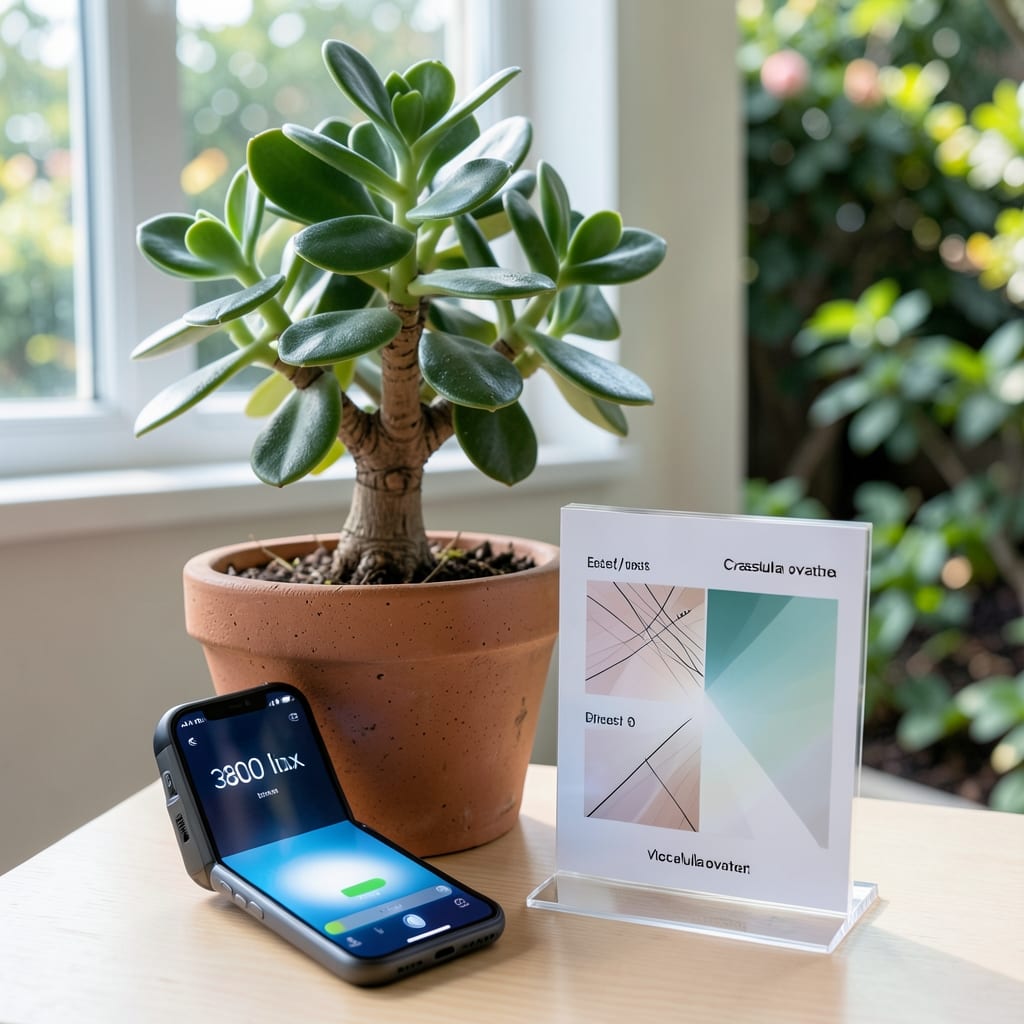
If your Jade Plant 🌿 looks more like a sad, stretched-out twig than a lush succulent, you’re probably missing the one thing it craves—how much light does a jade plant need to thrive. This hardy plant isn’t just picky; it’s demanding about its brightness, and getting it wrong can turn your green thumb into a cautionary tale.
Here’s the truth: Jade Plants thrive in bright, indirect light—think of it as a sunbather who burns easily but needs that glow to stay happy. Too little light, and you’ll end up with leggy, weak stems. Too much direct sun? Suddenly, you’ve got crispy, sun-scorched leaves. The balance is everything, and I’m about to show you exactly how to nail it—whether you’re growing yours indoors or outdoors.
We’ll break down the ideal light conditions—how many hours of sunlight your Jade Plant truly needs, how to spot the warning signs of light stress, and even how to tweak its environment for seasonal changes. No more guessing games—just science-backed tips to keep your Jade Plant 🌿 looking like the showstopper it should be.
Ready to turn that sad little plant into a thriving, bushy beauty? Let’s dive into the light requirements that’ll have your Jade Plant reaching for the sky—literally.
 Best Window Placement
Jade plant light requirements: the perfect brightness balance for healthy growth
Your jade plant (Crassula ovata) thrives under bright, indirect sunlight, but it can handle direct morning sun too. Native to South Africa, these succulents crave 4-6 hours of sunlight daily—just like their desert ancestors. Without enough light, they’ll stretch toward windows, growing leggy and weak, while too much harsh afternoon sun can scorch their leaves.
Indoor jade plants need a south- or west-facing window for optimal growth. If your home lacks natural light, grow lights can bridge the gap, mimicking the full-spectrum sunlight they need. Outdoors, they adapt well to partial shade but still require bright conditions to prevent etiolation (that sad, stretched look).
The key is balance: too little light slows growth and weakens stems, while too much direct sun causes leaf burn or crispy edges. Observe your plant’s reaction—if leaves turn pale or translucent, it’s begging for more light. If they redden or develop brown patches, it’s getting sunburned.
Seasonal adjustments matter too. In summer, filter sunlight with a sheer curtain if leaves look stressed. In winter, supplement with grow lights if natural light drops below 4 hours daily. Jade plants are flexible, but consistency in light exposure keeps them compact and vibrant.
Light intensity is measured in foot-candles—jade plants need 1,000–2,000 foot-candles (about the brightness of a sunny windowsill). A north-facing window won’t cut it; these plants reject low-light conditions and may stop growing entirely. If your space is dim, rotate the pot weekly to ensure even light exposure.
| Light Condition | Daily Exposure | Plant Response | Best For |
|---|---|---|---|
| Direct Morning Sun | 3–4 hours | Healthy growth, vibrant leaves | Outdoor pots, east-facing windows |
| Bright Indirect Light | 4–6 hours (filtered) | Compact growth, glossy leaves | South/west windows, indoor shelves |
| Low Light (<4 hrs) | N/A (avoid) | Leggy stems, pale leaves | North-facing windows, dark corners |
| Harsh Afternoon Sun | >4 hours | Brown patches, crispy edges | Unprotected outdoor spots |
Jade plants perform photosynthesis twice as efficiently in bright light compared to low light, which is why their leaves stay thick and plump. In nature, they grow on rocky outcrops where sunlight is abundant but not scorching. Mimic this by placing them within 3 feet of a sunny window or under LED grow lights for 12–14 hours daily.
If you notice yellowing leaves or stretched stems, it’s a cry for more light. Move the plant closer to the window or supplement with a 15W LED bulb placed 6–12 inches above. Avoid fluorescent bulbs—they emit too little blue light, which jade plants need for chlorophyll production.
Outdoor jade plants in USDA Zones 9–11 can stay outside year-round, but in colder climates, bring them indoors before temperatures drop below 50°F. Even in winter, they need bright light to prevent dormancy-related stress. A sunroom or greenhouse is ideal if natural light is scarce.
Pro tip: Rotate your jade plant every 2–4 weeks to ensure all sides get equal light. This prevents lopsided growth and keeps the foliage symmetrical and lush. With the right light balance, your jade plant will reward you with thick stems, glossy leaves, and even delicate pink flowers—a true desert beauty thriving in your home! 🌿
Signs your jade plant isn’t getting enough (or too much) light
Your jade plant might look healthy, but subtle clues reveal its light struggles. Stretched, pale stems and leaves reaching toward the light signal etiolation—a classic sign of insufficient brightness. This happens when your plant craves more sunlight hours than it receives, often in north-facing windows or shaded corners.
On the flip side, crispy leaf edges or white, sun-bleached patches mean too much direct sun. Jade plants can handle morning sunlight, but harsh afternoon rays cause sunburn. If your plant’s leaves look like they’ve been scorched, it’s time to adjust its light exposure.
🌱 Did You Know? Jade plants are succulents, meaning they store water in their leaves. Too much light can overheat them, while too little slows their growth and weakens their structure.
⚠️ Warning: Light Stress Symptoms
Underlighting: Leaves turn yellow or pale, stems stretch long and weak, and new growth is spindly.
Overlighting: Leaves develop brown or white spots, edges crisp up, and the plant looks dried out despite proper watering.
Action: Move your plant to a bright, indirect spot or use a sheer curtain to filter harsh sun.
Seasonal changes also affect your jade plant’s light needs. In winter, shorter days mean less natural light, so supplement with a grow light if needed. Conversely, summer’s intense rays may require moving your plant to a shadier spot or rotating it to prevent uneven sun exposure.
If your plant’s leaves start dropping or curling, it could be a light-related stress response. Check the soil moisture too—overwatering stressed plants worsens the problem. Reduce watering and adjust the light first.
For indoor jade plants, a south-facing window is ideal, but east or west-facing spots work too. If your home lacks natural light, a LED grow light for 6-8 hours daily keeps your plant thriving.
Watch for leaf color changes—healthy jade leaves are thick, glossy, and green. Any deviation from this norm is your plant’s way of saying, “Adjust my light!” 🌿