Light Requirements
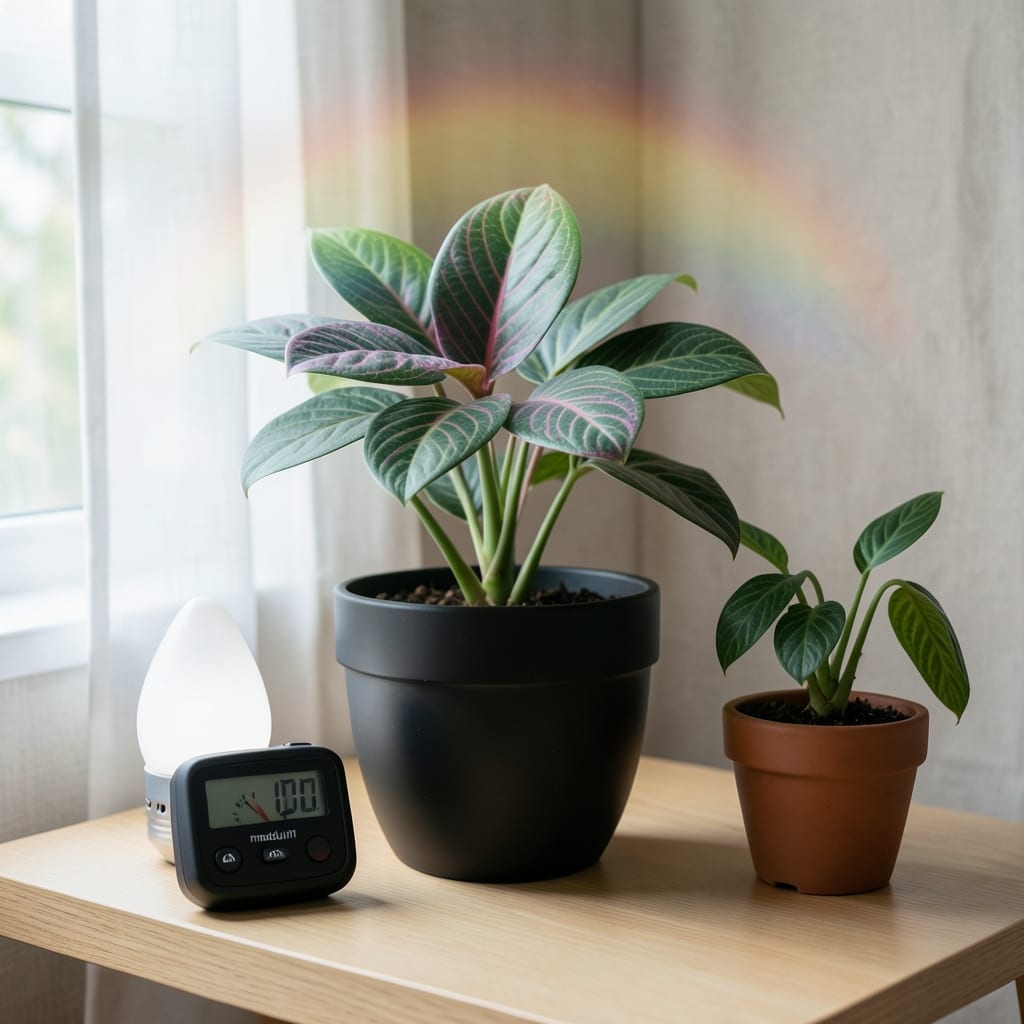
If you’re wondering how much light does a prayer plant need, the answer is simpler than you think—it’s all about the light. Too little, and your Maranta leuconeura fades into a forgettable green; too much, and those delicate leaves crisp like toast. The sweet spot? Bright, indirect rays that mimic its natural understory habitat.
I’ve watched Prayer Plants transform from lackluster to showstopping in just weeks by tweaking their light exposure. The key isn’t harsh sunlight—it’s filtered brightness that keeps foliage vibrant without scorching. Even in USDA Zone 6a, where spring light shifts dramatically, a few simple adjustments can make all the difference.
What you’re about to discover isn’t just about placing your plant near a window—it’s about understanding seasonal light changes, spotting the subtle signs of stress (like faded patterns or crispy edges), and even when to pull out grow lights for those dim winter months. Let’s cut through the guesswork so your Prayer Plant thrives year-round.
From debunking the myth that “any light works” to mastering the art of rotating your plant for even growth, this guide gives you the exact light balance your Prayer Plant craves. Ready to bring back those bold, prayer-like leaves?

Ideal light requirements for prayer plant growth and color
Your prayer plant (Maranta leuconeura) thrives in bright indirect light, mimicking its natural understory habitat. Too little light dulls those stunning foliage patterns, while too much causes crispy edges or sunburn. The sweet spot? 4-6 hours of filtered sunlight daily, like what an east or west-facing window provides.
Think of it this way: your prayer plant loves morning sun with afternoon shade. South-facing windows can work, but only if you use a sheer curtain to diffuse harsh rays. North-facing windows may work too, but expect slower growth and less vibrant colors over time.
Here’s how light affects your plant’s health: low light leads to pale, stretched leaves, while excessive direct sun causes brown patches or bleached tips. The key is consistency—your plant adapts best to steady, gentle light rather than fluctuating conditions.
Seasonal changes throw off even the best-laid plans. In winter months, when natural light dims, your prayer plant may show signs of etiolation—those telltale long, weak stems. This is your cue to supplement with a 12-hour grow light (LED bulbs work best) placed 6-12 inches above the plant.
Outdoor gardeners take note: prayer plants can tolerate brief outdoor exposure during spring and fall, but never leave them in direct midday sun. A shady patio or balcony with dappled sunlight is ideal. If you’re growing yours outdoors in USDA Zone 10+, consider a 50% shade cloth during peak sun hours.
Pro tip: Rotate your plant quarter-turn weekly to ensure even growth. Prayer plants grow toward light sources, so uneven exposure leads to lopsided foliage. This simple habit keeps your plant bushy and symmetrical while preventing those pesky leggy stems.
Watch for these red flags indicating light stress: yellowing leaves often signal overwatering combined with low light, while brown leaf tips scream sunburn or underwatering. The fix? Trim damaged leaves with sterilized scissors and adjust either light or water immediately.
For urban dwellers with limited natural light, a south-facing window with a sheer curtain often works better than a north-facing one. The trick is balancing light intensity with humidity levels—prayer plants thrive in environments with 50-70% humidity, so pair your lighting solution with a pebble tray or humidifier.
Remember, your prayer plant’s foliage patterns are its signature feature. When light conditions are perfect, those stunning variegated leaves will pop with deep burgundy, green, and white hues. Keep an eye on how your plant responds over weeks—not days—and adjust gradually to avoid shocking its system.
How to adjust your prayer plant’s light exposure for maximum health
Adjusting your prayer plant’s light exposure isn’t just about moving it closer to a window—it’s about creating the perfect filtered light environment. Start by assessing your current setup: if your plant’s leaves are pale and stretched, it’s craving more light. If they’re crispy with brown edges, it’s getting too much direct sun. The solution? A gradual adjustment over 1-2 weeks to avoid shocking the plant.
For low-light conditions, place your prayer plant 2-3 feet from an east-facing window—this gives it gentle morning sun without harsh afternoon rays. If your space only has north-facing windows, consider a LED grow light on a timer for 12 hours daily. These lights mimic natural light spectra and won’t overheat like older fluorescent bulbs.
🌱 Step-by-Step Light Adjustment Guide
- 1. Rotate Weekly: Turn your plant quarter-turn every 7 days to prevent lopsided growth toward light sources. Use a non-slip saucer to avoid tipping.
- 2. Sheer Curtain Test: Hang a light-colored sheer curtain over south-facing windows to diffuse harsh rays. Test for 3 days before committing.
- 3. Grow Light Setup: Place a 12-hour LED grow light 6-12 inches above the plant. Use a timer to avoid manual adjustments (e.g., 6 AM-6 PM).
- 4. Seasonal Shift: Move plants closer to windows in winter (when light is weaker) and further in summer (when light intensifies).
- 5. Outdoor Transition: Acclimate plants to outdoor shade gradually. Start with 1 hour/day in filtered shade, increasing by 1 hour weekly.
If your prayer plant develops leggy stems despite your best efforts, it’s likely still not getting enough light. Trim the longest stems just above a leaf node to encourage bushier growth. Pair this with a fertilizer boost (like a balanced 10-10-10 mix) to support new foliage development.
For urban apartments with limited natural light, combine a south-facing window with a grow light. Position the plant 3 feet from the window during daylight hours, then switch on the grow light for 4-6 hours in the evening. This hybrid approach mimics the natural light cycle while preventing etiolation.
Never place your prayer plant in direct afternoon sun, even for short periods. The UV intensity between 1 PM and 4 PM can cause irreversible damage to delicate leaves. Instead, opt for morning sun exposure (6 AM-10 AM) as a safer alternative.
Pro tip: Use a light meter app (like "Light Meter" for iOS) to measure foot-candles in your plant’s current spot. Aim for 500-1,000 foot-candles of indirect light—this range keeps your prayer plant thriving without risking stress. Adjust placement until you hit that sweet spot.