
Plants
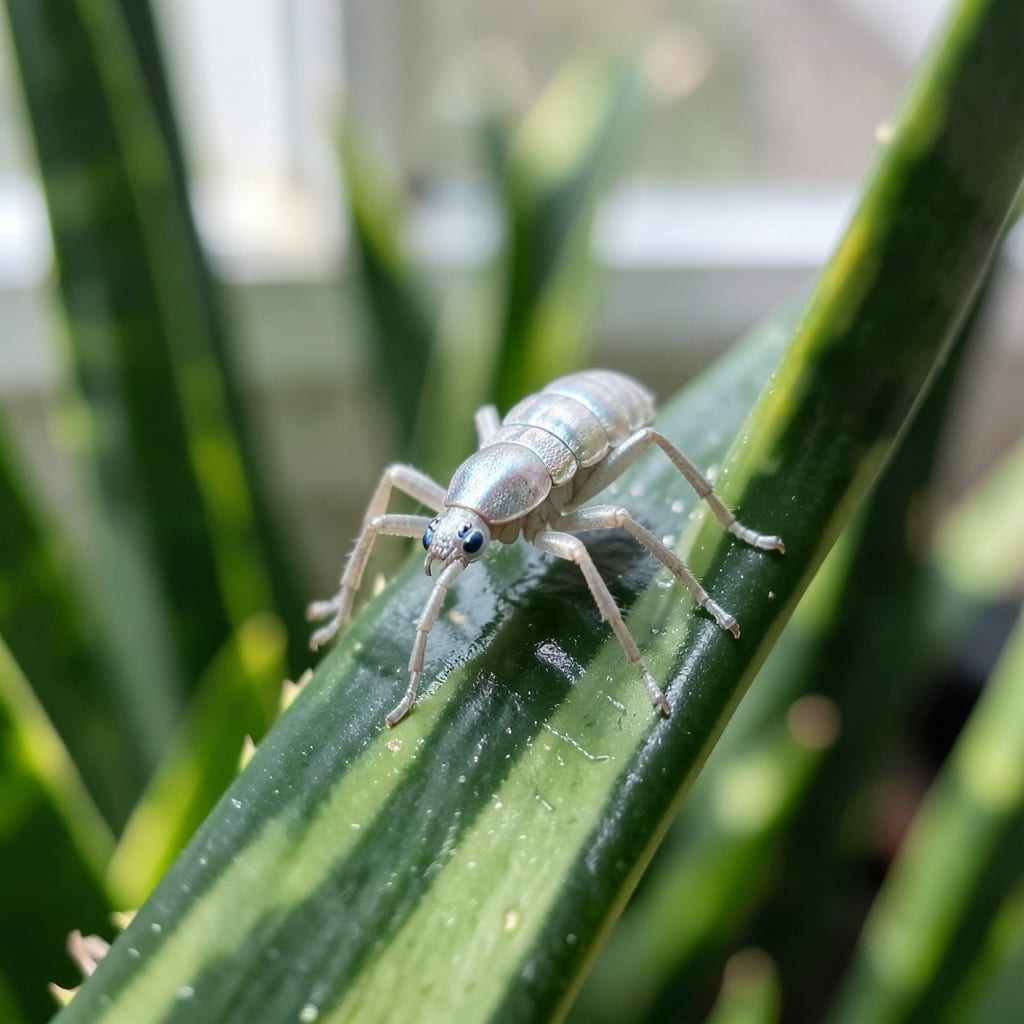
Figuring out how much light for a snake plant can feel like solving a mystery—until you realize this plant is basically the ultimate survivor. Your 🌱 thrives in conditions most houseplants would beg for, making it the perfect low-maintenance green thumb starter (or finisher, if you’ve struggled before).
The key isn’t some complicated formula—it’s about giving your snake plant bright indirect light, but with room to breathe. Too much direct sun? Watch for crispy brown edges. Too little light? Growth slows to a crawl. I’ll show you exactly where to place it so it stays happy year-round, whether you’re in a sun-drenched kitchen or a dimly lit office.
You’ll learn how to spot the perfect spot (hint: north-facing windows are your best friend), what to do if your plant’s leaves start talking to you about stress, and even how to fix mistakes before they become permanent. No green thumb? No problem—this plant forgives more than your last roommate.
Let’s cut through the guesswork so you can enjoy a snake plant that’s as easy to care for as it is to admire. Ready to stop overthinking and start thriving?

Ideal light requirements for snake plants: bright indirect to low light tolerance
Your snake plant (Sansevieria) is a master of adaptability, but its light needs are the foundation of its health. Unlike fussy houseplants, it thrives in bright indirect light but won’t throw a fit in lower light conditions—though growth will slow. Think of it as the plant equivalent of a low-maintenance roommate who’s happy as long as you don’t ignore them completely.
The ideal light range for snake plants falls between 10,000 to 20,000 lux (that’s the scientific way of saying "bright but not scorching"). This translates to placing your plant near a north-facing window or about 5-10 feet from an east or west window. South-facing windows? Use a sheer curtain to diffuse the light and prevent leaf burn.
Here’s the golden rule: snake plants prefer less light than most people think. Many beginners overestimate their need for brightness, leading to crispy brown tips. In reality, they’ll survive in low-light offices or even bathrooms with minimal natural light—though their growth will be slower. The key is finding that sweet spot of indirect light where leaves stay plump and vibrant.
🌱
Notice how variegated snake plants (those with yellow or white stripes) need slightly more light than solid green varieties. Their pigment patterns rely on light to show off, so place them closer to the window if you want those stripes to pop. A good test? If your plant’s leaves are reaching toward the light, it’s not getting enough. If they’re curling or turning brown, it’s getting too much.
Pro tip: Rotate your snake plant every 4-6 weeks so all sides get even light exposure. This prevents lopsided growth and ensures your plant stays symmetrical and sturdy. I like to do this during my weekly plant-check routine—it’s a great excuse to give your green friends some TLC.
For those in apartments with limited natural light, supplement with a grow light (more on this in the advanced section). Even a simple LED grow bulb can make a world of difference during winter months when daylight is scarce. Just avoid placing it too close—6-12 inches away is ideal.
Remember, snake plants are forgiving, but they’re not invincible. The right light conditions will reward you with bold, upright leaves and minimal stress. Start with bright indirect light, observe your plant’s response, and adjust as needed. Your snake plant will thank you with years of easy-care beauty.
☀️
Ideal light requirements for snake plants: bright indirect to low light tolerance
Your snake plant (Sansevieria) is a master of adaptability, but its light needs still deserve your attention. Unlike high-maintenance divas, this plant thrives in bright indirect light—think of it as the "goldilocks zone" of houseplants. Too little light, and growth slows dramatically. Too much direct sun, and those gorgeous leaves start showing brown scorch marks. The sweet spot? Placing it near an east-facing window where morning sun gently kisses the leaves without frying them.
Here’s the secret: snake plants tolerate low light better than most plants, but they won’t flourish without at least 2-4 hours of indirect light daily. If your home is dim (like a basement or north-facing office), don’t panic—this plant will survive, but expect slower growth and fewer pups (baby plants). The key is balance: enough light for energy, but never harsh rays that cause damage.
🌱 Snake Plant Light Requirements Summary
| Light Condition | Ideal For | Growth Impact |
|---|---|---|
| Bright Indirect Light | East/west windows, 5-10 ft from south window | Healthy growth, vibrant leaves, frequent pups |
| Low Light (e.g., offices) | North-facing rooms, 10+ ft from windows | Survives, slow growth, fewer pups |
| Direct Sunlight | South windows, greenhouse conditions | Brown tips, leaf scorch, stress |
💡 Pro Tip: Rotate your plant quarter-turns every 2-3 months to ensure even light exposure and prevent lopsided growth.
Watch your snake plant’s leaves for clues—they’re like tiny mood rings. Healthy leaves stand tall with deep green coloration and a slight sheen. If you notice yellowing at the base, it’s often a sign of too much light. Conversely, pale, stretched-out leaves scream for more brightness. Variegated varieties (like 'Futura Superba') need slightly more light to maintain their striking patterns, so place them closer to windows if you want those creamy yellow stripes to pop.
One common myth is that snake plants can thrive in total darkness. While they’re more resilient than most, they’ll eventually weaken without any natural light. Think of them like a low-light vampire: they’ll survive, but they’ll never truly thrive. If your space is perpetually dim, supplement with a basic LED grow light (12 hours/day) to keep them happy and growing.
For outdoor placement (like patios or balconies), your snake plant can handle partial shade but avoid midday sun, especially in hot climates. Morning sun is ideal—it’s bright but not intense. If you’re growing it outside in USDA Zone 6a or warmer, bring it indoors before first frost (October 15) to protect it from cold snaps.
Remember: the goal isn’t perfection—it’s consistency. Your snake plant will forgive occasional light mishaps, but it rewards steady, gentle care with lush growth and those adorable pups. Start with bright indirect light, adjust based on leaf signals, and soon you’ll have a thriving green machine that’s as easy as it is beautiful. 🪴