
Light Requirements
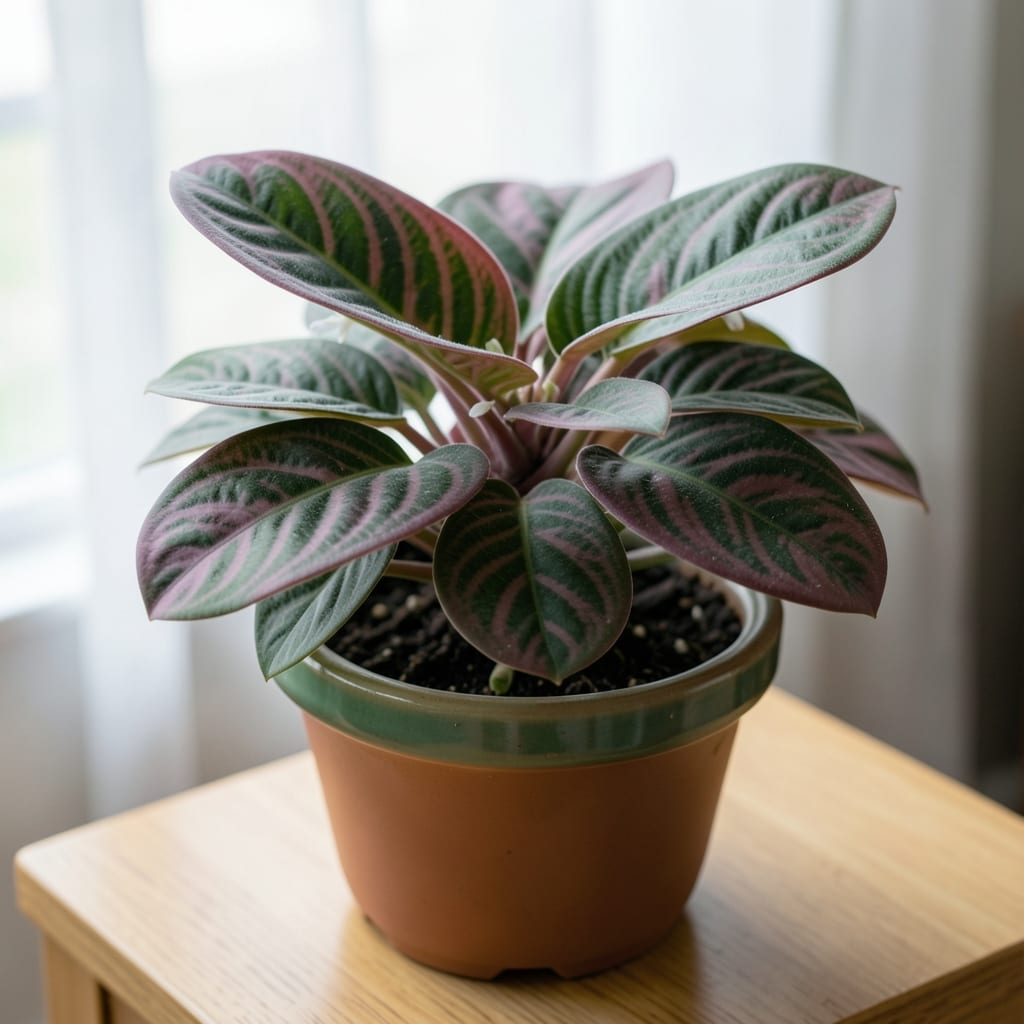
Optimal light requirements for prayer plant growth by leaf color
The prayer plant (Maranta leuconeura) thrives in bright indirect light, but its exact needs depend on your plant’s leaf coloration. Dark green varieties tolerate slightly lower light, while purple or variegated leaves need more brightness to maintain their striking hues. Aim for 4-6 hours of filtered light daily, like an east-facing window or 2-3 feet from a south-facing window with sheer curtains.
Too little light causes pale, yellowing leaves and limp stems, while direct afternoon sun burns leaves, turning edges crispy. The key is consistent, gentle light—think dappled shade under a tree. If your plant’s leaves fold upward (a stress response), it’s likely craving more light or struggling with temperature fluctuations near drafty windows.
| Leaf Color | Ideal Light | Light Hours | Signs of Stress |
|---|---|---|---|
| Dark Green | Bright indirect (east window) | 4-5 hours | Yellowing, slow growth |
| Purple/Variegated | Bright indirect (south window with filter) | 5-6 hours | Faded colors, crisp edges |
| Any | Direct sun (afternoon) | >2 hours | Brown scorch marks |
For variegated prayer plants, the white or pink streaks need extra light to stay vibrant. If these areas turn greenish, your plant is light-deprived. Move it closer to a window or supplement with a 12-inch LED grow light (6-8 inches away) for 6 hours daily. Avoid fluorescent bulbs—they emit too little blue light, which variegated plants crave for chlorophyll production.
In low-light conditions, like a north-facing room, your prayer plant will survive but grow slowly and leggy. Prune overly elongated stems to encourage bushier growth, and avoid fertilizing until you’ve improved light exposure. A reflective surface (like a white wall or mirror) can boost natural light by 20-30%, making dim corners slightly more hospitable.
Seasonal adjustments matter too. During winter, when daylight shrinks, supplement with 10-12 hours of artificial light to prevent leaf drop. In summer, watch for heat stress—move your plant 1-2 feet back from a south-facing window if leaves start curling or drooping. A light meter (under $20) helps track lux levels; prayer plants thrive at 500-1,000 lux.
Common light mistakes include placing prayer plants in bathrooms (low light + humidity fluctuations) or kitchens (heat from appliances). Instead, choose a consistently cool spot (65-75°F) with stable humidity. If your home lacks natural light, a south-facing balcony with morning sun only works better than a west-facing window, which delivers harsh afternoon rays.
Test your setup by observing your plant’s leaf patterns. Healthy prayer plants have upright, slightly folded leaves with visible veins. If leaves stay flat and stiff, it’s underlit; if they wilt or crisp, it’s overlit. Adjust gradually—sudden light changes shock sensitive foliage. With the right balance, your prayer plant will reward you with lush, velvety leaves and dramatic nighttime movements.
Remember, prayer plants are adaptable, but they communicate their needs through leaf signals. Treat each color change or growth spurt as feedback, and you’ll master the perfect lighting recipe for your tropical beauty. 🌿
Optimal light requirements for prayer plant growth by leaf color
Your prayer plant (Maranta leuconeura) thrives in bright indirect light, but its leaf color is the best indicator of whether it’s getting the right amount. Dark green leaves signal ideal conditions, while purple or variegated varieties need slightly more care to maintain their vibrant hues. Without enough light, leaves turn pale or yellow, and too much direct sun causes crispy edges.
The ideal light exposure for prayer plants is 4-6 hours of bright indirect light daily. This mimics their natural understory habitat in tropical forests. Position your plant near an east-facing window or 2-3 feet from a north-facing window to avoid harsh afternoon sun. Avoid south- or west-facing windows, which can scorch delicate foliage.
If your prayer plant’s leaves are folding inward at night (a natural movement), but turning yellow or brown during the day, it’s likely a light deficiency. Move it closer to a window or supplement with a grow light for 12-14 hours daily if natural light is insufficient. Rotate the pot weekly to ensure even growth and prevent lopsided exposure.
For variegated varieties, like 'Kerchoveana' or 'Fascinator', aim for 5-6 hours of bright indirect light to enhance their striking patterns. These types are more sensitive to light fluctuations, so monitor their response closely. If leaves lose their vibrant colors, increase light gradually to avoid shock.
In low-light conditions, like a dim office or bathroom, your prayer plant will survive but may grow slowly with pale leaves. To revive it, introduce a LED grow light with a cool white spectrum and place it 12-18 inches away for 6-8 hours daily. Avoid fluorescent bulbs, which can emit too much heat and damage tender foliage.
Pro tip: Use a light meter app to check your plant’s light levels. Aim for 1,000-2,000 foot-candles of indirect light. If readings are below 500 foot-candles, supplement with artificial light immediately to prevent decline. Consistency is key—avoid sudden changes in light exposure, which can stress your plant.