
Light Requirements
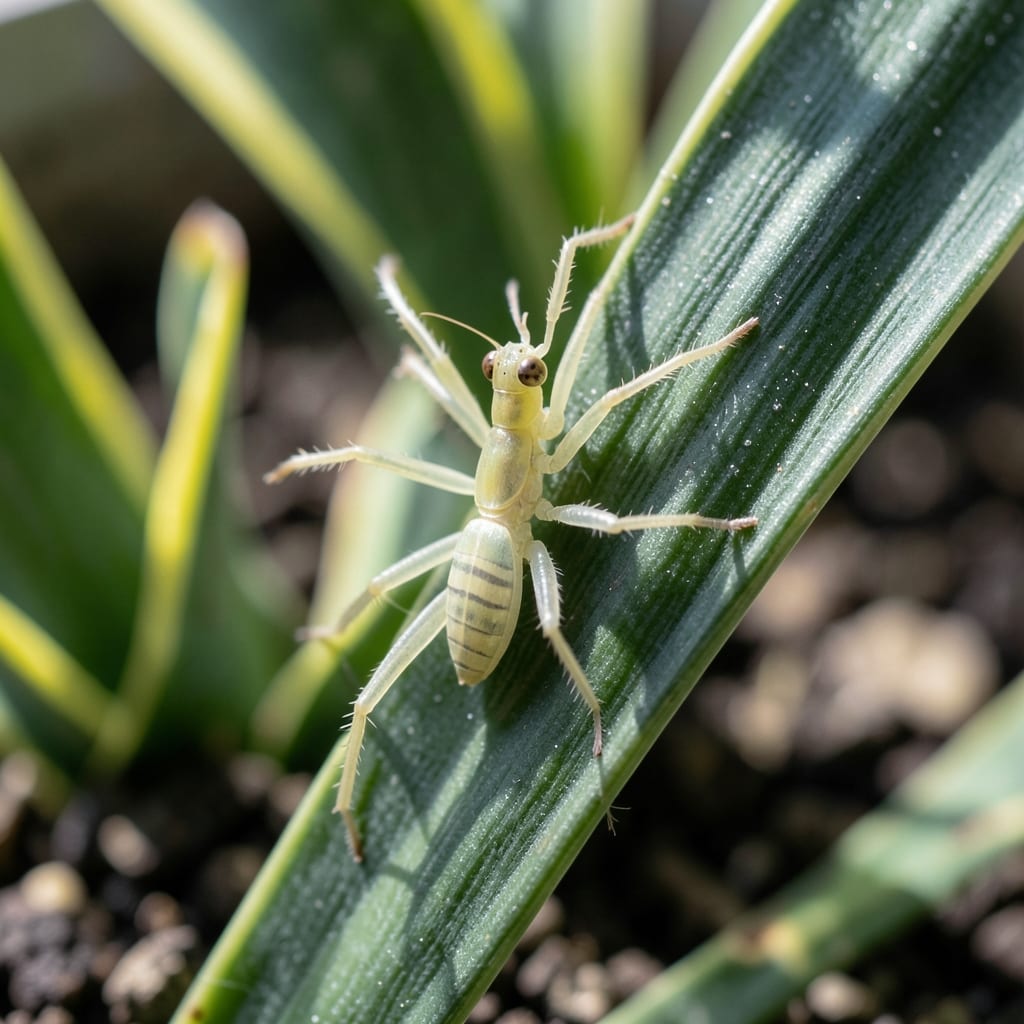
If your snake plant 🌱 is looking a little sad—yellowing leaves, stretched-out growth, or just not thriving—you might be guessing about its light needs. The truth? Snake plants are tough, but they do have a sweet spot: bright, indirect sunlight for about 6 hours daily. Too little light, and they’ll stretch toward any source; too much direct sun, and those iconic leaves can burn.
Here’s the good news: these plants are adaptable, making them perfect for beginners. Whether you’re in a dim corner or a sunlit room, I’ll show you exactly how to spot the right balance—plus how to fix common mistakes that keep your snake plant from reaching its full potential. Ready to give your plant the light it actually craves?
Let’s break down the ideal light conditions, from indoor windowsills to outdoor spots, and what to watch for when your snake plant starts sending signals. You’ll learn how to adjust lighting for different rooms in your home and even troubleshoot those pesky signs of over- or under-exposure. No more guesswork—just a thriving, happy snake plant 🌱 that’s the star of your space.
By the end, you’ll know not just how much light your snake plant needs, but where to place it for maximum growth—whether you’re dealing with a north-facing window or a shady basement corner. Let’s get started!

Ideal light conditions for snake plants: bright, indirect sunlight explained
Snake plants 🌱 thrive best with bright, indirect sunlight for about 6 hours daily, but they’re surprisingly adaptable. Their natural habitat in West African savannas means they’re used to filtered light under trees, not harsh midday sun. This makes them perfect for homes with limited direct sunlight—but there’s a fine line between "just right" and "too little/too much."
The key is light intensity and duration. Snake plants can tolerate low-light conditions (like a north-facing window) but will grow leggier and weaker without enough brightness. On the flip side, direct afternoon sun can scorch their leaves, turning them yellow or brown. Think of their ideal spot as morning sun with afternoon shade—similar to what you’d find under a dappled forest canopy.
Here’s the breakdown: 60% of growers place their snake plants in medium to bright indirect light, while only 20% dare to try them in direct sunlight (usually with caution). The rest keep them in low-light offices or basements, where they survive but grow slower. The secret? Balance. Your snake plant will thank you with bold, upright leaves and minimal stress.
If you’re unsure about your home’s light levels, here’s a quick test: hold a piece of white paper near your snake plant during the day. If the shadows are sharp and dark, you’ve got direct light—move the plant back. If shadows are soft and faint, you’re in the ideal indirect zone. Pro tip: East-facing windows are gold for snake plants—they get gentle morning sun without the harsh afternoon rays. 🌞
Outdoors, snake plants can handle partial shade but avoid full shade (like under dense trees) where they’ll grow weak and leggy. In containers, rotate the pot quarter-turns every few weeks to ensure even light exposure on all sides. This prevents one side from getting sunburned while the other stays stunted. Think of it like giving your plant a mini vacation to stretch out evenly! 🪴
One common myth is that snake plants can survive in any light. While they’re tough, low light slows growth and makes them more susceptible to pests. Aim for at least 4 hours of bright, indirect light daily to keep your plant strong and vibrant. If your home lacks natural light, grow lights (like LED full-spectrum bulbs) can supplement—just keep them 6-12 inches above the plant for 12-14 hours/day. 💡
Remember, snake plants store water in their leaves, so they’re more forgiving than most plants when it comes to light. But push them too far in either direction, and you’ll see clear signs of distress—like yellowing leaves or brown patches. The good news? Adjusting their light is often as simple as moving the pot to a different spot. No guesswork, just observation and small tweaks. Your snake plant will reward you with years of low-maintenance beauty if you nail the light balance. 🌿
Next, we’ll dive into room-by-room adjustments—because not all spaces are created equal! Whether you’re in a sun-drenched living room or a dim basement office, I’ve got the solutions to keep your snake plant thriving. Let’s explore how to optimize light in every corner of your home. ✂️
Ideal light conditions for snake plants: bright, indirect sunlight explained
Snake plants 🌱 thrive best with 6 hours of bright, indirect sunlight daily, but they’re surprisingly adaptable. In nature, they grow under trees where dappled light filters through leaves—this is the perfect environment to mimic indoors. The key is avoiding direct midday sun, which can scorch their leaves, while ensuring they get enough light to maintain their signature upright, architectural form.
If you’re placing your snake plant near a window, aim for east or north-facing exposures—these provide gentle morning light without harsh afternoon rays. West-facing windows can work too, but move your plant 3-4 feet back from the glass to diffuse the intensity. South-facing windows are trickier; they deliver strong, direct light that can cause leaf burn over time.
Snake Plant Light Requirements
| Light Type | Daily Duration | Best For |
|---|---|---|
| Bright Indirect | 6+ hours | Ideal growth, vibrant leaves |
| Low Light | 2-4 hours | Survival mode, slower growth |
| Direct Sun | Avoid (1-2 hours max) | Risk of leaf burn, crispy edges |
*Tip: Rotate your plant every 2-3 weeks for even growth exposure.
Even in low-light conditions, snake plants won’t die—they’ll just stretch toward any available light, producing long, leggy leaves. This is their survival mechanism, but it means they won’t look as full or healthy as they could with proper lighting. If your home lacks natural light, consider supplementing with a LED grow light (12-15 watts per plant) for 12-14 hours daily to mimic natural cycles.
Outdoors, snake plants can handle partial shade, especially in hotter climates where direct sun would be too intense. In cooler regions, they tolerate full sun as long as the soil stays consistently moist. The key is monitoring their leaves: if they start developing yellow or brown patches, it’s a sign of too much sun or heat stress.
For indoor growers, reflective surfaces like mirrors or light-colored walls can help maximize natural light. Place your snake plant near a white or silver surface to bounce extra light onto its leaves. This trick is especially useful in offices or rooms with minimal windows. Just remember: more light = faster growth, but never sacrifice leaf health for speed.
If you’re unsure whether your space has enough light, try the "shadow test"—hold a piece of paper near your plant during peak sunlight hours. If the shadow is sharp and dark, the light is too direct. If it’s soft and diffuse, you’ve found the perfect spot. Your snake plant will thank you with bold, upright leaves and minimal maintenance 🌱.