
How To
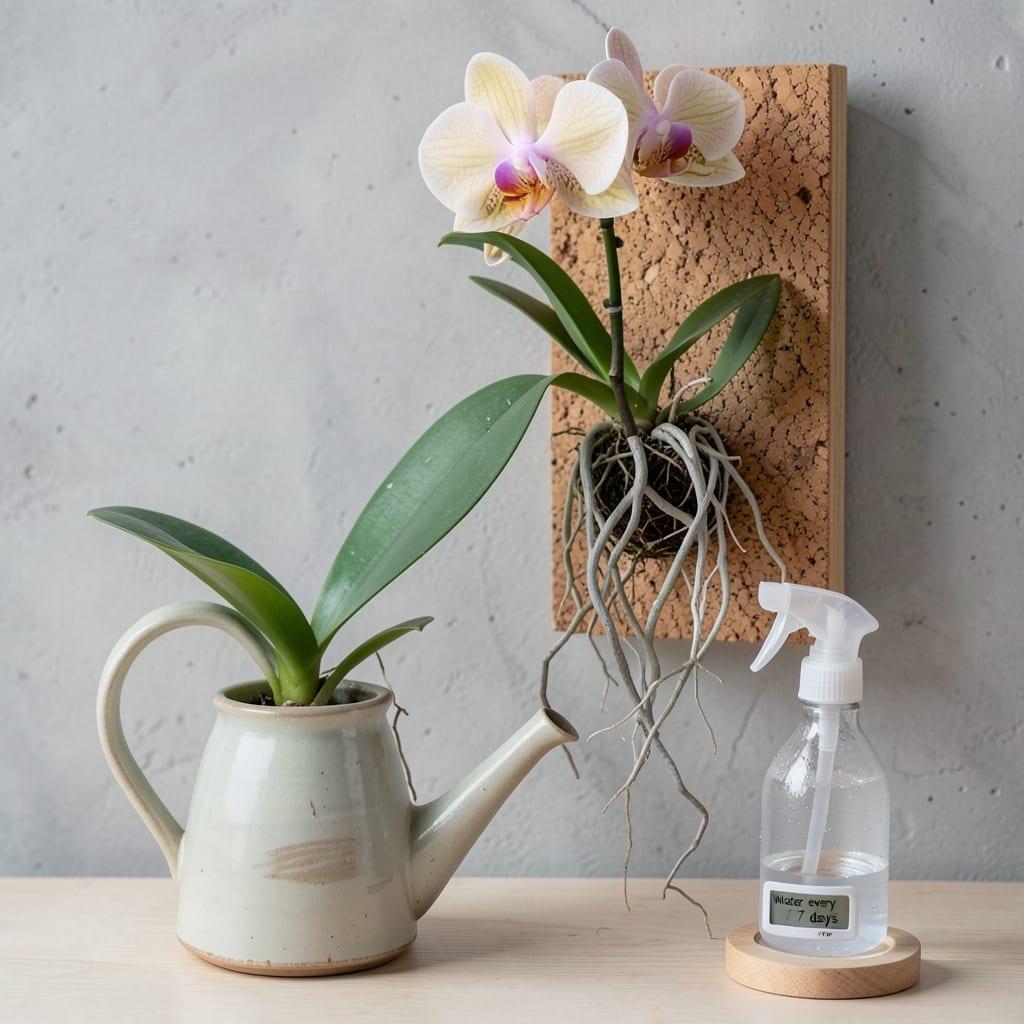
Mastering how often to water mounted orchids isn’t about following a one-size-fits-all rule—it’s about reading your plant’s signals and adapting to your environment. Unlike potted orchids, these delicate beauties rely on airflow and humidity, making their watering needs surprisingly nuanced. One wrong move, and you could end up with shriveled roots or worse, fungal rot.
If you’ve ever wondered why your orchid’s leaves look sad or its roots turn mushy, the answer likely lies in your watering routine. The key isn’t just how often you water but when and how—whether you’re in a dry desert climate or a lush, humid greenhouse. I’ll break down the exact schedule for every season, so you can keep your orchid thriving year-round.
Think your orchid needs water every week? Not necessarily. In summer, a quick misting every 10-14 days might be perfect, while winter could stretch that to once a month. We’ll also cover the subtle cues—like bark texture and root color—that tell you it’s time to hydrate (or hold off). No more guesswork, just science-backed care for your prized plant.
Ready to transform your orchid from struggling to stunning? Let’s dive into the seasonal watering guide that’ll have your Mounted Orchid 🌸 blooming like never before—without the trial and error.
Mounted orchid watering schedule by season: spring, summer, fall, and winter
Mounted orchids rely on their bark or wood mounts for moisture absorption, so their watering needs shift dramatically with seasonal changes. Unlike potted orchids, they can’t hold excess water—meaning one wrong move can lead to root rot or dehydration. My Phalaenopsis on a cork slab thrives with a precise schedule I’ve perfected over years of trial and error. Let’s break it down by season to keep your orchid blooming like a pro.
First, understand that indoor vs. outdoor mounting changes everything. Outdoor mounts bask in natural humidity and rainfall, while indoor orchids depend entirely on you. For this guide, I’ll focus on indoor-mounted orchids in average US homes (40-60% humidity). Adjust if your environment is drier (like Arizona) or more tropical (like Hawaii). Always water in the morning—this gives roots time to dry before nightfall, preventing fungal growth.
Here’s my seasonal watering comparison table for mounted orchids, including adjustments for low-humidity and high-humidity environments. Use this as your go-to reference, and you’ll never over- or under-water again.
| Season | Indoor (40-60% Humidity) | Outdoor (Varies) | Low Humidity (<40%) | High Humidity (>70%) |
|---|---|---|---|---|
| Spring | Weekly misting (50-100ml) | Bi-weekly (rainfall reduces needs) | Every 5-6 days (light mist) | Every 10-12 days (soak mount) |
| Summer | Bi-weekly (light spray) | Monthly (unless extreme heat) | Weekly (early morning only) | Every 3 weeks (check roots) |
| Fall | Bi-weekly (reduce misting) | Monthly (prep for winter) | Every 7-10 days (light touch) | Every 2 weeks (avoid wetting leaves) |
| Winter | Monthly (minimal water) | Bi-monthly (if no frost) | Every 4-6 weeks (check bark) | Every 5-6 weeks (dormancy mode) |
Spring is the most critical season for mounted orchids because it’s when they transition from dormancy to active growth. My Dendrobium mounts, for example, wake up in March and need weekly misting to encourage new shoots. If you see wrinkled leaves or slow growth, increase frequency by 1-2 days. Pro tip: Place your mount on a pebble tray with water to boost humidity without overwatering.
Summer demands less frequent watering because higher temperatures increase evaporation. I switch to bi-weekly light sprays (just enough to dampen the mount, not soak it). For outdoor orchids, rainfall replaces your watering routine—just check after storms to ensure no water pools in the mount. If your home has low humidity (like mine in Arizona), I add a humidifier nearby or mist every 5-6 days to mimic tropical conditions.
Fall is all about tapering off. As temperatures drop, orchids enter pre-dormancy, and their water needs shrink. I cut back to bi-weekly misting and monitor closely for yellowing leaves (a sign of overwatering). In high-humidity areas, you can stretch watering to every 3 weeks, but always check the bark’s moisture level before watering—it should feel slightly dry to the touch.
Winter is dormancy season for most mounted orchids. I water mine monthly at most, using just enough to prevent the bark from drying out completely. If your orchid is blooming in winter (like my Cattleya), maintain bi-weekly misting but reduce fertilizer. The key is to mimic natural cycles—orchids in the wild get less rain in winter, so follow suit.
One common mistake I see is watering on a schedule without checking the mount. Always test moisture by gently pressing the bark—if it springs back, it’s dry. If it stays dented, wait another day. For outdoor orchids, rain is your best friend, but if it’s been dry for 2 weeks, give them a
Adjusting watering for humidity levels: low vs. high environments
Humidity levels are the secret weapon for mounted orchids—too dry, and roots dry out; too damp, and they rot. If your home feels like a desert (20-30% humidity), your orchid’s watering needs will differ drastically from a tropical setup (70-80% humidity). The key is matching your routine to your environment’s moisture balance, not just the calendar.
For example, my Phalaenopsis mounted on cork bark in Arizona’s dry air needs daily misting in summer—but only for 2-3 seconds per side. Meanwhile, the same orchid in a humid bathroom might only need weekly soaking with a quick rinse. Let’s break down the exact adjustments for your setup.
🌱
Low Humidity (20-40%)
Increase frequency to every 5-7 days in summer, every 10-14 days in winter. Use a fine mist spray bottle and aim for 3-5 seconds per side.
Moderate Humidity (40-60%)
Standard schedule: bi-weekly misting in summer, monthly in winter. Soak mounts for 10-15 seconds per side during active growth.
High Humidity (60%+)
Reduce to every 3-4 weeks in summer, every 6-8 weeks in winter. Use shorter misting (2-3 seconds) and let mounts dry completely between waterings.
Don’t assume your bathroom or greenhouse counts as "high humidity"—test it! I once killed a Cattleya by overwatering because I assumed the steamy shower room was humid enough. Turns out, the condensation on the tiles didn’t translate to consistent moisture around the mount. Always double-check with a digital hygrometer for accuracy.
For DIY humidity boosters, try placing your mounted orchids on a pebble tray with water (but ensure the mount isn’t sitting in it). Grouping orchids together also creates a microclimate that retains moisture. Just avoid sealing them in plastic—airflow is critical to prevent rot.
🌿