Trees
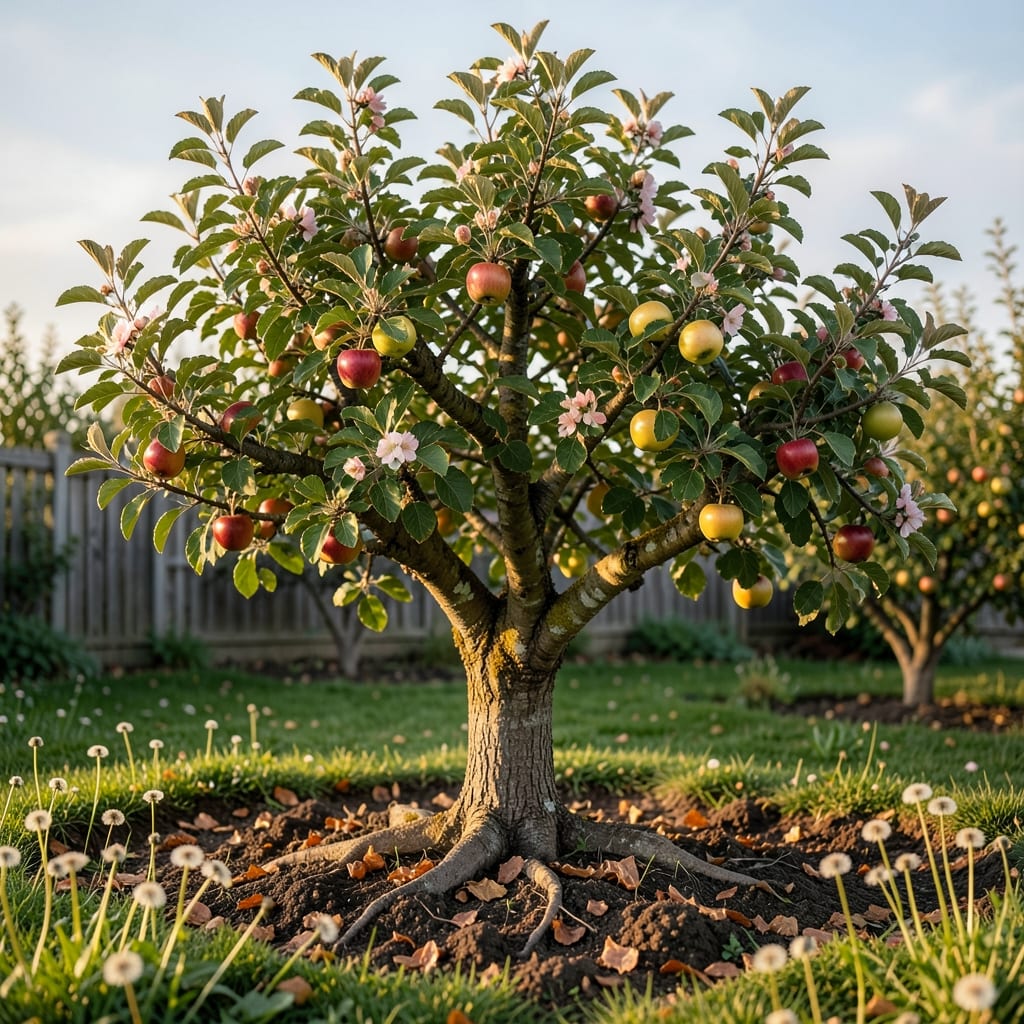
If you’ve ever dreamed of plucking fresh 🍎 apple trees from your backyard but wondered how tall apple trees grow, you’re not alone. The truth is, their height depends entirely on the variety—and choosing the right one could mean the difference between a cozy orchard and a space hog in your garden.
Picture this: a dwarf apple tree barely reaching your shoulders, perfect for containers or small yards, while a standard variety stretches toward the sky like a skyscraper. The secret lies in rootstock, pruning, and even your local climate. I’ll break down the exact heights you can expect from popular varieties and how to keep them at your ideal size—without sacrificing those juicy harvests.
Whether you’re a city gardener with limited space or an orchard enthusiast planning rows of trees, knowing these growth patterns is the key to happy trees and bountiful fruit. Let’s dive into the varieties that fit your space and the pruning tricks to control their height naturally.
From columnar varieties that grow like slender posts to semi-dwarf trees that strike a balance, you’ll discover which options work best for your goals. Plus, I’ll share my top tips for managing growth year-round—so you can enjoy that first crisp bite of homegrown apple without the headache of a runaway tree.


Apple tree height by variety: dwarf to standard sizes explained
When planning your orchard or backyard garden, the mature height of apple trees is one of the first things to consider. A dwarf apple tree can fit snugly in a container on your patio, while a standard variety might need an acre of space to thrive. The difference? It all comes down to the variety and its rootstock—the underground part that determines how tall (or short) your tree will grow.
I’ve grown everything from columnar varieties that stay under 6 feet to towering standard apple trees reaching 30 feet. The right choice depends on your space, climate, and whether you want to harvest apples from a ladder or a comfortable standing height. Let’s explore the most popular varieties and their mature sizes, so you can pick the perfect fit for your garden.
Here’s a quick look at how different apple tree types compare in height, along with their ideal growing conditions and space needs. Whether you’re dreaming of a backyard orchard or a single container-grown tree, this guide will help you visualize what to expect—and how to plan for it.
🌱 Apple Tree Variety Height Guide
| Variety | Type | Mature Height | Space Needs | Best For |
|---|---|---|---|---|
| 'Columnar' (e.g., 'Red River Valley') | Dwarf | 6–8 ft | 3x3 ft (container or ground) | Small spaces, patios |
| 'Liberty' (M9 rootstock) | Dwarf | 8–12 ft | 6x6 ft (ground) or 15-gallon pot | Urban gardens, containers |
| 'Honeycrisp' (MM106 rootstock) | Semi-Dwarf | 12–16 ft | 10x10 ft (ground) | Backyard orchards |
| 'Granny Smith' (Standard) | Standard | 20–30 ft | 20x20 ft (ground) | Large properties, orchards |
| 'Fuji' (B9 rootstock) | Semi-Dwarf | 14–18 ft | 12x12 ft (ground) | Suburban yards |
| 'Pink Lady' (M9 rootstock) | Dwarf | 8–10 ft | 5x5 ft (ground) or 10-gallon pot | Balconies, small gardens |
💡 Pro Tip: Dwarf trees need staking for the first 2 years to support their top-heavy growth.
If you’re working with limited space, columnar apple trees are my top recommendation. These slender varieties grow just 6–8 feet tall but produce fruit along their entire length—like a vertical fruit salad! They’re perfect for containers or small urban gardens where traditional trees would be impractical.
For a balance between size and productivity, semi-dwarf apple trees like 'Honeycrisp' or 'Fuji' are ideal. They reach 12–18 feet at maturity, making them manageable for most backyard orchards. Plus, their spreading canopies create shade and beauty while still being prunable to fit your space.
On the other end of the spectrum, standard apple trees are the giants of the orchard world. Varieties like 'Granny Smith' or 'Golden Delicious' can soar to 30 feet or more, requiring ample room and often ladder access for harvesting. These are best suited for rural properties or commercial orchards where space isn’t a concern.
One common misconception is that dwarf apple trees produce smaller fruit. In reality, the size of the apple depends on the scion variety (the top part of the tree), not the rootstock. A dwarf rootstock like M9 can support a full-sized 'Honeycrisp' apple—just on a smaller tree! This makes them a fantastic choice for home growers who want high-quality fruit without the bulk.
When choosing a variety, also consider your climate zone. Some dwarf rootstocks, like M9, are less cold-hardy and may struggle in zones below 5. For colder regions, semi-dwarf rootstocks like MM106 or B9 offer a middle ground—taller than dwarfs but still manageable, with better cold tolerance. Always check the USDA hardiness zone recommendations for your specific variety.
For container growing, stick to dwarf or columnar varieties in pots at least 15 gallons in size. Ensure the container has drainage holes and use a high-quality potting mix blended with compost. Remember, container-grown trees need more frequent
Pruning secrets to control apple tree height in small gardens
Pruning isn’t just about shaping your apple tree—it’s the secret weapon for controlling height while boosting fruit production. I’ve pruned everything from 6-foot columnar varieties to 20-foot standards, and the right cuts can keep your tree at your desired height without sacrificing yield. The key is understanding when, where, and how to prune based on your tree’s type and growth habits.
For dwarf apple trees, focus on structural pruning in the first two years to establish a strong framework. These trees grow quickly but need support to prevent flopping. Use heading cuts (cutting back the tip of a branch) to encourage outward growth and a balanced canopy. Semi-dwarf varieties like 'Honeycrisp' benefit from thinning cuts—removing entire branches—to improve airflow and fruit size.
Timing is everything. Late winter or early spring (just before buds swell) is ideal for major pruning. This is when your tree’s energy is dormant, so it recovers faster. Avoid heavy pruning in summer or fall, as new growth won’t harden off before winter, making it vulnerable to cold damage. For light maintenance pruning, you can trim throughout the growing season to shape the tree and remove water sprouts (vertical shoots that steal energy from fruit production).
⚠️ Pruning Pitfalls to Avoid
• Over-pruning: Never remove more than 25% of the canopy in one session—this stresses the tree and reduces next year’s fruit.
• Cutting too close: Leave a 1/4-inch stub above the branch collar (the swollen area where the branch meets the trunk) to prevent disease entry.
• Ignoring deadwood: Remove dead, diseased, or crossing branches immediately to prevent pests and improve air circulation.
• Pruning at wrong time: Avoid heavy cuts in late summer or fall, as new growth won’t mature before winter.
To keep your tree at a manageable height, prioritize horizontal branches. Apples grow best on branches that angle outward from the trunk. When you prune, aim to create a wide, open center—this allows sunlight to penetrate and fruit to develop evenly. For columnar varieties, minimal pruning is needed, but you can lightly trim the top to encourage bushier growth along the stem.
Don’t forget about renewal pruning for older trees. Every few years, remove a few of the oldest branches at the tree’s base to rejuvenate growth and keep the tree from becoming top-heavy. This is especially important for semi-dwarf and standard varieties, which can become unwieldy over time. Pair this with annual thinning of crowded branches to maintain an open structure.
For container-grown apple trees, pruning takes on extra importance. Since roots are confined, you’ll need to prune more aggressively to control height and encourage compact growth. Use smaller, more frequent cuts throughout the season to shape the tree without shocking it. And always sterilize your pruners with rubbing alcohol between cuts to prevent spreading disease in the confined space.
Remember, every cut is an investment in your tree’s future. With the right pruning strategy, you can enjoy abundant fruit while keeping your apple tree at the perfect height for your space—whether that’s a 6-foot patio tree or a 12-foot backyard beauty. Start with these techniques, and you’ll be harvesting apples at eye level in no time!