
Size
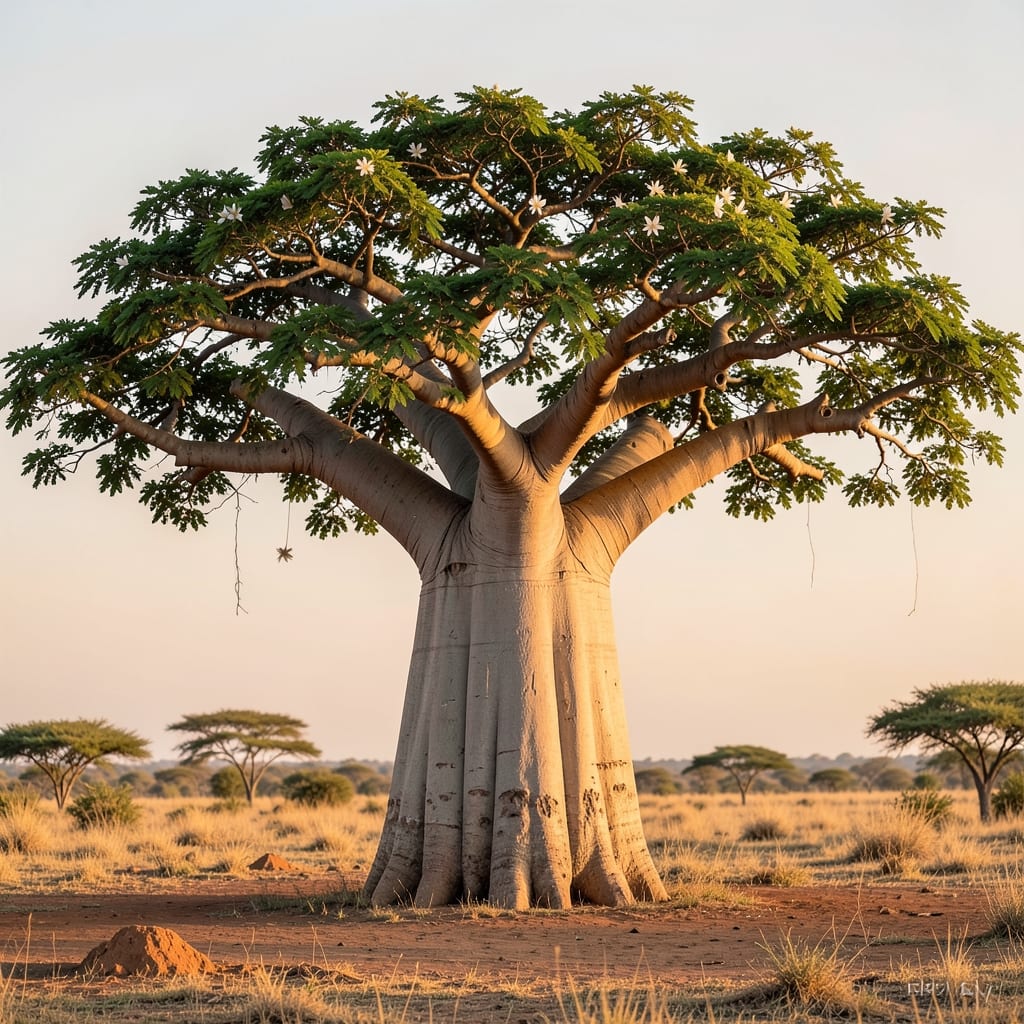
If you’ve ever wondered how tall a baobab tree can grow, the answer might surprise you—some of these ancient giants stretch taller than a 10-story building, with trunks wide enough to shelter a family. Native to Madagascar, Africa, and Australia, these trees thrive in zones 9-11, where they dominate landscapes with their sheer scale and longevity.
The tallest baobab species, like the iconic Adansonia digitata, can reach heights of 80 feet or more, though some outliers in Madagascar’s dry regions have been documented at over 100 feet. Their slow but steady growth—often taking 100+ years to mature—makes them a living testament to patience and resilience.
But here’s the catch: growing one of these giants at home isn’t as simple as planting a seed. Their massive size demands plenty of space, full sun exposure, and minimal interference once established. Whether you’re dreaming of a backyard baobab or just curious about their record-breaking heights, understanding their growth habits is the first step to appreciating these natural wonders.
Let’s break down the factors that influence their height—from species variations to the climate and care they need to reach their full potential. You’ll discover why some baobabs tower above others and how you might (or might not) cultivate one of your own.


Baobab tree height records: tallest species and their maximum growth
Baobab trees are the living skyscrapers of the plant kingdom, with some species reaching heights that defy belief. The African baobab (Adansonia digitata), the most widely recognized, can grow 60-80 feet tall, though outliers in Madagascar’s dry regions have been measured at over 100 feet. Their massive trunks—sometimes wider than they are tall—store water for years, allowing them to thrive in harsh conditions.
The Australian baobab (Adansonia gregorii) often surpasses its African cousin, with documented heights of 80-100 feet in its native habitat. Meanwhile, the Madagascar baobab (Adansonia grandidieri) holds the record for sheer girth, with trunks reaching 30 feet in diameter—though its height typically maxes out around 70 feet. These variations highlight how climate and soil shape their growth trajectories.
🌳
The Australian baobab (Adansonia gregorii) often achieves the greatest heights due to its native tropical savanna climates, which provide consistent warmth and minimal frost. In contrast, the Madagascar baobab prioritizes trunk expansion over height, storing massive water reserves to survive droughts. This explains why some African baobabs, like the Sunland baobab in South Africa, have trunks 40 feet in diameter but only reach 60 feet tall.
Environmental factors like soil nutrients and water availability play critical roles. Baobabs in nutrient-poor, sandy soils grow slower but develop thicker trunks for water storage. Meanwhile, those in richer soils may grow taller but remain less drought-resistant. The slow growth rate—often just 1 foot per year—means these trees take centuries to reach their full potential.
🌿
If you’re dreaming of a baobab in your landscape, remember: space is non-negotiable. A mature Adansonia digitata needs at least 50 feet of clearance in all directions, while the Australian variety may require 70+ feet. Their shallow but expansive root systems also mean they’ll compete aggressively with nearby plants for water and nutrients. For home gardeners, dwarf varieties simply don’t exist—so container growth is your only option if space is limited.
🪴
One fascinating twist? Some baobabs shrink in height as they age. The famous Sunland baobab in South Africa lost half its trunk volume in just 20 years due to drought, though it remained 60 feet tall. This phenomenon, called "baobab dieback", shows how climate change and water scarcity can alter their growth patterns. For gardeners, this underscores the importance of mimicking their native conditions—full sun, minimal interference, and deep but infrequent watering.
For those in USDA zones 9-11, cultivating a baobab is possible but requires patience. Start with a young sapling (not a seed) and plant it in well-draining, sandy soil with full sun exposure. Expect decades before it reaches even 10 feet, but with the right conditions, your baobab could one day rival the towering giants of Africa’s savannas.
How long does it take for a baobab tree to reach maximum height?
Baobab trees are famous for their slow but steady growth, often taking 100+ years to reach their full height. Unlike fast-growing trees, these ancient giants prioritize root development early on, which explains their thick, sturdy trunks. In their first decade of life, you’ll see minimal height gain—just 1-3 feet—but their trunks expand dramatically, sometimes reaching 3 feet in diameter by age 10.
The real height surge begins around age 20-30, when baobabs start growing 1-2 feet per year under ideal conditions. By 50 years old, many species like Adansonia digitata hit 30-40 feet, though their iconic bottle-shaped trunks continue to widen. This slow pace is why they’re often called the "tree of life"—their longevity and resilience make them a symbol of endurance.
🌱
Climate plays a critical role in their growth timeline. In Madagascar’s dry regions, where rainfall is scarce, baobabs grow faster vertically to access moisture. Meanwhile, in Australia’s wetter zones, they prioritize trunk thickness over height. Even a 5-degree temperature drop can stunt growth, so USDA zones 9-11 are ideal for maximizing their potential.
Human intervention can also speed up or slow down their growth. Overwatering young saplings, for example, can rot their roots and halt height gains entirely. Conversely, providing well-draining soil and minimal disturbance to established roots allows them to thrive. Some gardeners in Florida and California report their baobabs growing 30% faster when planted in sandy, alkaline soil—a close match to their native African habitats.
If you’re considering growing a baobab, patience is key. While they may not reach their full height in a lifetime, their centuries-long lifespan means they’ll outlive most other trees—and become a living monument in your landscape. For those in cooler climates, container growth is an option, though height will be limited to 10-15 feet without ideal conditions.
🌿