
How To
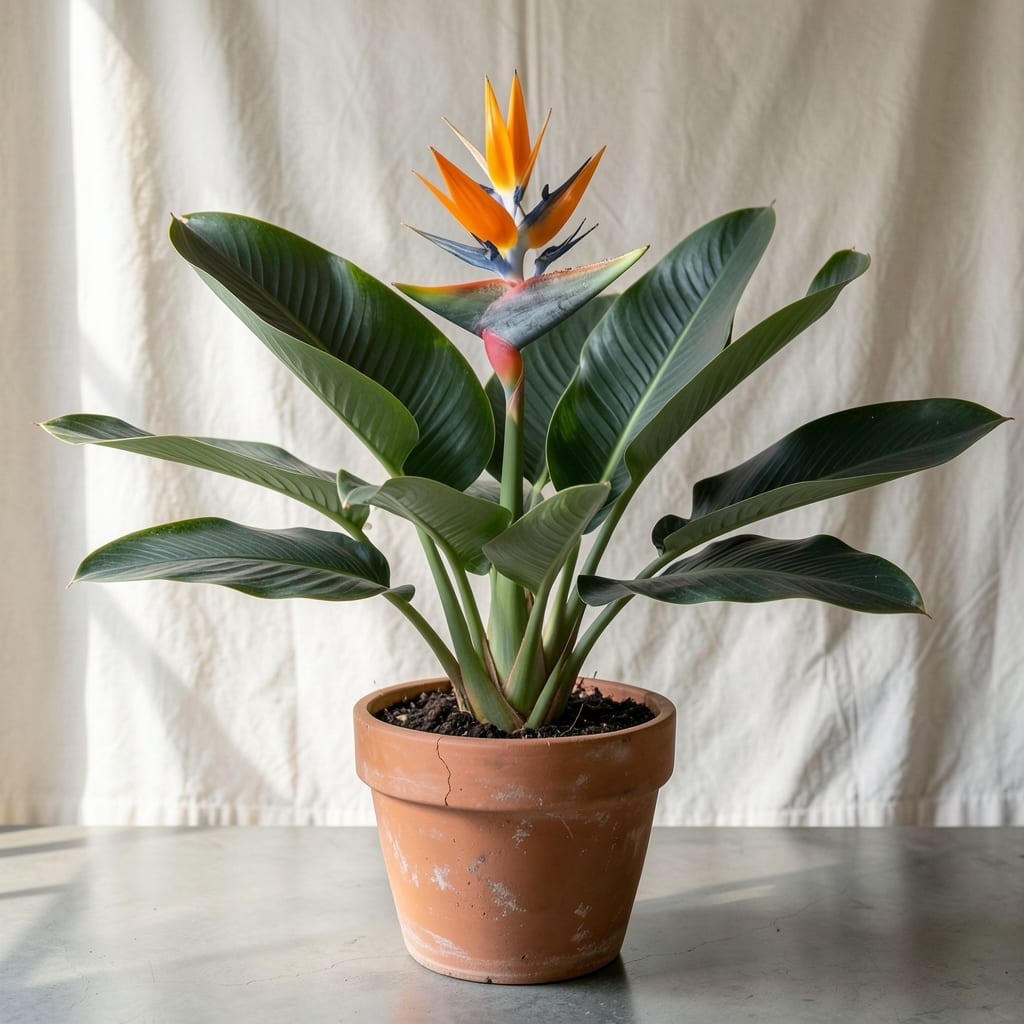
If you're wondering how tall can a bird of paradise grow, the answer might surprise you—this stunning 🌺 can reach heights that rival small trees! Whether you're planning a backyard oasis or a container garden, knowing the mature size of your variety is key to creating the perfect space for it.
Bird of paradise plants come in different sizes, from compact varieties that stay around 3-5 feet to towering giants that can soar up to 12 feet tall. The difference often comes down to where you live and how much sunlight your plant gets. In warmer climates like USDA Zone 6a and beyond, these tropical beauties thrive and grow faster, while cooler areas might see slightly slower growth.
Curious about how to keep your bird of paradise from becoming a space invader? Pruning is your secret weapon. With the right techniques, you can encourage bushier growth or control its height—no matter which variety you choose. Let's break down the heights by type and share tips to help you manage growth like a pro.
Ready to plan your garden layout with this info? Or maybe you're wondering how to care for your bird of paradise to keep it thriving? We've got you covered—let's dive in!

Bird of paradise height by variety: from compact to towering giants
When planning your garden, knowing how tall can a bird of paradise grow helps you choose the right variety for your space. The most popular types vary dramatically in size, from dwarf varieties perfect for containers to tall giants that dominate landscapes. Let’s explore the height ranges for the most common types and how they perform indoors versus outdoors.
First, the Queen Bird of Paradise (Strelitzia reginae) is the classic variety you’ve likely seen in gardens. Outdoor plants typically reach 6-8 feet tall, while indoor specimens stay shorter—around 4-6 feet—due to limited sunlight. This variety is also slower-growing, adding only 1-2 feet per year in ideal conditions.
The Giant White Bird of Paradise (Strelitzia nicolai) is the tallest of the bunch, often exceeding 10-12 feet outdoors. Indoors, it maxes out at 6-8 feet but grows much slower. Its broad, banana-like leaves make it a statement plant, but its height means it’s best suited for large gardens or as a focal point in open spaces.
Hybrid varieties, like Strelitzia × juncea, blend traits from both species, often reaching 8-10 feet outdoors and 5-7 feet indoors. These hybrids can be a great middle-ground option if you love the bird of paradise look but want something slightly more manageable.
For smaller spaces, consider dwarf varieties like the Mandarin Sun or Dwarf Bird of Paradise, which top out at 3-5 feet. These are ideal for containers, patios, or even indoor decor. They grow at a similar rate to the Queen variety but stay compact, making them perfect for urban gardeners or those with limited outdoor space.
Here’s how these varieties compare at a glance—use this to pick the perfect fit for your garden:
If you’re growing your bird of paradise in a container, expect heights to be 20-30% shorter than outdoor plants. Containers restrict root growth, which slows overall development. However, they’re a great way to enjoy this tropical beauty on balconies or patios without committing to permanent planting.
Pro tip: If you’re unsure which variety to choose, start with the Queen Bird of Paradise—it’s the most widely available and adaptable. For a bold statement, the Giant White is unbeatable, but it requires more space. And if you’re working with limited room, dwarf varieties are your best bet for adding tropical flair without the height commitment.
Need help deciding? Consider your garden’s sunlight exposure and available space first. Full sun (6+ hours daily) will encourage faster growth, while partial shade may keep your plant on the shorter side. With the right variety and care, your bird of paradise will thrive—and its height will become a stunning feature in your outdoor space!
Factors that determine how tall your bird of paradise will grow
Wondering why your bird of paradise seems to be growing at a different pace than your neighbor’s? The truth is, height isn’t just about the variety—it’s also about where you live and how you care for it. Climate, sunlight, soil, and even container size play huge roles in how tall your plant will become. Let’s break down the key factors that influence growth so you can give your bird of paradise the perfect conditions to thrive—or keep it compact if space is limited.
First, let’s talk about sunlight exposure. Bird of paradise plants crave full sun, ideally 6+ hours of direct light daily. In sunny climates like USDA Zone 8 and above, these plants can grow 2-3 feet taller than in cooler zones. If you’re in a shadier area, expect slower growth and potentially shorter heights, even with the same variety. Morning sun is ideal, but afternoon shade helps prevent leaf scorch in hotter regions.
Next, consider your local climate. In tropical or subtropical zones, bird of paradise plants grow faster and taller because they’re in their natural habitat. In cooler zones like Zone 6a, growth slows down, and plants may stay shorter unless you provide extra warmth or grow them in containers that can be moved indoors during winter. Frost sensitivity is another factor—even a light freeze can stunt growth, so protect your plant if temperatures drop below 25°F.
🌱 Soil quality and drainage are often overlooked but critical. Bird of paradise plants hate soggy roots, so well-draining soil is a must. Amend heavy clay soil with compost or sand to improve aeration. Poor drainage can lead to root rot, which weakens the plant and slows its growth. If you’re growing in containers, use a fast-draining potting mix with perlite or orchid bark to mimic their natural sandy soil.
Don’t forget about container size if you’re growing your bird of paradise in pots. These plants have shallow but wide root systems, so a container that’s at least 12-18 inches in diameter gives them room to grow taller. If your plant is root-bound, it will focus energy on filling the pot rather than growing upward, keeping it shorter. Repot every 2-3 years to encourage taller growth, but avoid pots that are too large—this can lead to overwatering and root rot.
Finally, fertilization and pruning habits can influence height. Over-fertilizing with high-nitrogen feeds promotes leafy growth but can stunt flowering and height. Instead, use a balanced 6-6-6 fertilizer during the growing season to support steady, healthy growth. And if you’re looking to control height, regular pruning in late winter or early spring encourages bushier growth. Just avoid cutting into the central stem, as this can harm the plant’s structure.
Now that you know the factors that shape your bird of paradise’s height, you can adjust your care routine to get the perfect size for your space. Need help choosing the right variety for your garden? Or curious about how to prune for bushiness? Let me know—I’ve got all the tips to keep your plant thriving! 🌿