
How To
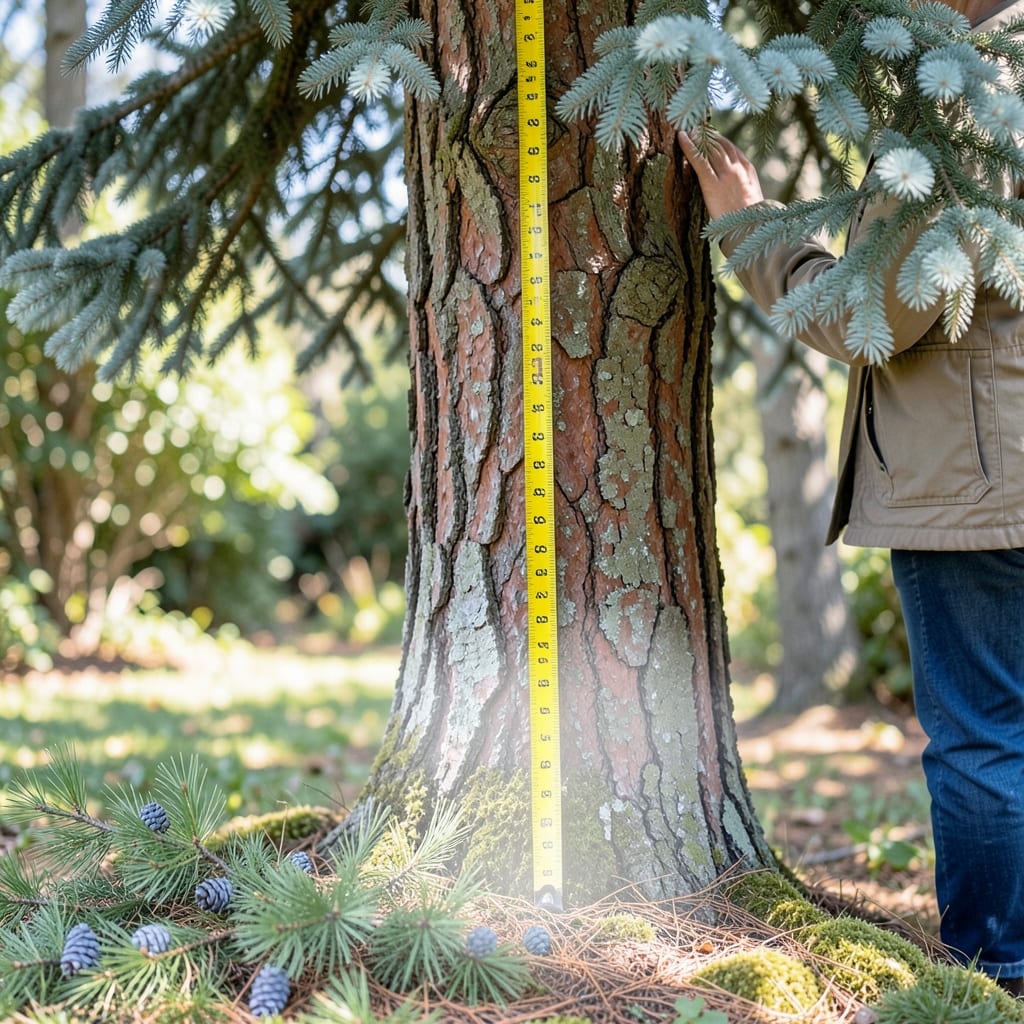
Wondering how tall can a cedar tree grow before it becomes a backyard giant? The answer might surprise you—some varieties reach over 100 feet, while others stay neatly trimmed at just 10 feet. Whether you're planning a privacy screen or a statement focal point, knowing these heights helps you pick the perfect 🌲 for your space.
Cedar trees aren't one-size-fits-all. The majestic Atlas Cedar can tower like a redwood, while the Blue Swiss Dwarf stays compact enough for small gardens. Climate, soil, and even your pruning habits play a role in how tall they’ll grow. Let’s break down the exact heights by species and what you can expect over time.
If you’re dreaming of a cedar that lasts centuries, you’re in luck—many varieties live for hundreds of years. But their growth isn’t just about height; it’s also about patience. Some take decades to reach their full potential, while others grow faster. We’ll cover how long it takes for them to mature and how to keep them at your desired height.
Ready to find the perfect cedar for your yard? Discover how to choose the right variety, control its growth, and enjoy its beauty for years to come—without it turning into an unmanageable monster.

Cedar tree height by species: exact growth expectations and mature dimensions
Cedar trees aren’t all created equal—some varieties grow like skyscrapers while others stay small enough for a postage-stamp yard. The Atlas Cedar (Cedrus atlantica) can reach 60-100 feet with a 30-foot spread, making it a forest giant. Meanwhile, the Blue Swiss Dwarf (Thuja occidentalis 'Blue Swiss') tops out at just 8-12 feet, perfect for hedges or small gardens.
Understanding these differences helps you choose the right cedar for your space. Whether you need a towering privacy screen or a low-maintenance shrub, knowing the mature height and growth rate is critical. Let’s dive into the exact dimensions of the most popular cedar species and how they compare.
Here’s a quick look at the top 8 cedar varieties and their mature heights, so you can visualize which will fit your landscape:
The Atlas Cedar and Leyland Cypress are the tallest, often reaching 60-100 feet, while the Blue Swiss Dwarf and Emerald Green Arborvitae stay under 15 feet. If you’re short on space, dwarf varieties are your best bet—they offer all the beauty of cedars without the towering height.
Growth rates vary too. The Eastern Red Cedar grows 2-3 feet per year in ideal conditions, while the Atlas Cedar might only add 6-12 inches annually. This means a Leyland Cypress can create a privacy screen in 10-15 years, whereas a Deodar Cedar might take 30+ years to reach its full height.
For small gardens, consider the Blue Swiss Dwarf or Emerald Green Arborvitae. They’re low-maintenance and won’t overwhelm your space. If you’re after a quick privacy screen, the Leyland Cypress is a powerhouse—just be ready for its rapid growth.
Before planting, check your local climate and soil type. Cedar trees thrive in well-draining soil and full sun, but some varieties, like the Western Red Cedar, prefer moisture-rich soils. In dry
How long do cedar trees live? Lifespan vs height growth patterns by climate
Cedar trees aren’t just about height—they’re built to last. Some varieties, like the Atlas Cedar, can live for over 1,000 years, while others, such as Eastern Red Cedar, typically reach 200–300 years. Their lifespan often correlates with their growth rate, but climate plays a huge role in how fast they reach maturity.
In dry, arid climates (like the Southwest U.S.), cedars grow slower but live longer due to less stress. Meanwhile, in humid regions (like the Southeast), they may grow faster but face higher risks from pests or disease, potentially shortening their lifespan. Understanding these patterns helps you plan for long-term growth.
Most cedars take 20–30 years to reach 50% of their mature height. For example, a 40-foot Atlas Cedar might only be 20 feet tall at age 30. Patience is key—these trees invest early years in root development before shooting upward.
Here’s how climate affects their growth trajectory:
| Species | Avg. Lifespan | Time to 50% Height | Climate Preference |
|---|---|---|---|
| Atlas Cedar | 1,000–2,000+ years | 30–40 years | Mediterranean (dry, cool winters) |
| Deodar Cedar | 500–1,000 years | 25–35 years | Mountainous (cooler, moist) |
| Eastern Red Cedar | 200–300 years | 15–20 years | Dry, adaptable (USDA Zones 2–9) |
| Blue Atlas Cedar | 800–1,200 years | 20–30 years | Coastal (mild, moist) |
| Dwarf Varieties (e.g., 'Blue Swiss') | 100–200 years | 10–15 years | Versatile (containers or ground) |
🌲 Note: Lifespan varies with care, soil, and local pests.
If you’re planting a cedar for long-term shade or privacy, choose a variety that thrives in your climate. For example, Eastern Red Cedar is perfect for dry prairie landscapes, while Deodar Cedar loves cooler, moister mountain air. Always check your USDA hardiness zone to ensure the tree will flourish.
Pro tip: Cedar trees planted in well-draining soil with full sun grow taller and live longer. Avoid waterlogged areas—they’re a fast track to root rot and a shorter lifespan. With the right conditions, your cedar could outlive generations in your family!