
Size
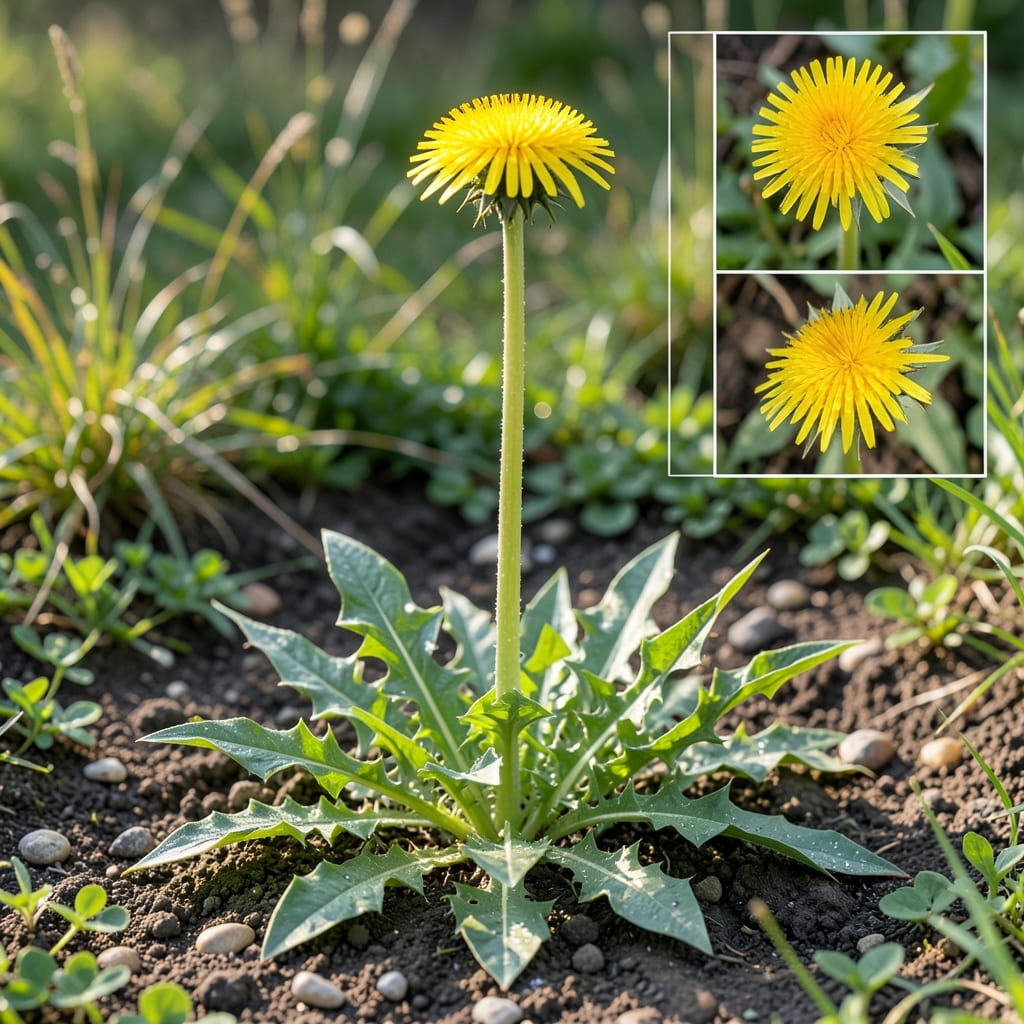
If you’ve ever marveled at how dandelions 🌼 seem to burst through cracks in pavement or dominate entire fields, you might be wondering just how tall these hardy plants can grow. The answer might surprise you—wild dandelions can reach heights of up to 2 feet, while some garden varieties stay shorter, creating a fascinating contrast in nature’s backyard.
What makes these bright yellow blooms grow so differently? The truth lies in their environment and genetics. Dandelions thrive in USDA Zone 6a and beyond, where they take advantage of rich soil and ample sunlight during their ideal planting window of March to April. Whether you’re dealing with a stubborn weed or a prized edible plant, understanding their growth habits is key to managing—or even encouraging—their height.
For gardeners, controlling dandelion height isn’t just about aesthetics—it’s about strategy. Pruning at the right time or adjusting care can help keep them in check, while others might let them flourish for their spring harvest. The secret to their success? Minimal effort and maximum resilience. Let’s explore how you can work with these plants, whether you want them towering or trimmed.
From wildflower meadows to your backyard, dandelions prove that even the simplest plants have big surprises. Whether you’re curious about their maximum height or how to manage them in your garden, the answers lie in their adaptability. Ready to uncover the sky-high secrets of these tenacious blooms?


Dandelion height variations: wild vs cultivated differences explained
Dandelions (Taraxacum officinale) are famous for their ability to thrive almost anywhere, but did you know their height can vary dramatically depending on whether they're growing wild or in a cultivated garden? Wild dandelions often reach taller heights—sometimes even up to 2 feet—while garden varieties typically stay shorter, around 12 to 18 inches. This difference isn't just about genetics; it’s also about their environment and how humans interact with them.
The wild dandelion grows aggressively in undisturbed soil, competing for sunlight and space. Without regular mowing or pruning, they develop longer flower stalks and deeper root systems to survive. In contrast, cultivated dandelions—often grown for their leaves or flowers—are often pruned or harvested before they reach their full potential height. This keeps them more manageable for gardeners.
Here’s a quick comparison to highlight the differences:
| Type | Average Height | Flower Stalk Length | Growth Conditions |
|---|---|---|---|
| Wild Dandelion | 1–2 ft | 12–24 in | Undisturbed soil, full sun, minimal care |
| Cultivated Dandelion | 6–18 in | 6–12 in | Pruned regularly, well-draining soil, controlled environment |
One key factor is the root depth of wild dandelions. Their taproots can grow up to 12 inches deep, allowing them to access nutrients and water far below the surface. This deep root system supports their towering growth, especially in nutrient-poor soils where other plants might struggle. Cultivated varieties, however, often have shallower roots because gardeners frequently harvest or prune them.
Another factor is competition for resources. In a wild meadow, dandelions grow freely without interference, reaching for sunlight above other plants. In a garden, they’re often surrounded by taller plants or regularly mowed, which stunts their growth. Even the color of the flower can hint at their height potential—brighter yellow blooms often indicate healthier, taller plants.
If you’re growing dandelions in your garden, you might notice that first-year plants stay shorter—around 6 to 12 inches2 feet or more. This is because older plants have established deeper roots and more energy to allocate to growth. In my own garden, I’ve seen dandelions in their third year nearly touching my knees—a surprising sight for such a "weedy" plant!
Genetics also play a role. Some dandelion varieties are naturally shorter and bushier, while others grow taller and more upright. For example, the French dandelion (Taraxacum erythrospermum) is a cultivated variety with slightly shorter stems but broader leaves, making it a favorite for salads. Meanwhile, wild varieties like Taraxacum officinale can grow significantly taller when left unchecked.
Soil quality is another critical factor. Dandelions thrive in poor, rocky, or compacted soil where other plants might fail. In rich, well-aerated soil, they can grow even taller because they have more access to nutrients. If you’re trying to limit their height, consider planting them in slightly nutrient-poor soil or adding a layer of mulch to restrict root growth.
Finally, climate matters. Dandelions in cooler climates tend to grow taller and slower, while those in warmer, sunnier regions may grow faster but stay slightly shorter due to higher evaporation rates. In my experience, dandelions in USDA Zone 6a (like where I garden) often reach their peak height in late spring, just before the summer heat sets in.
Understanding these differences can help you decide whether you want to embrace the wild, towering dandelion or keep your garden varieties short and manageable. Either way, their resilience and adaptability make them a fascinating plant to observe! 🌼
Key factors that determine dandelion height: soil, climate, and care
If you’ve ever watched dandelions transform from tiny rosettes to towering blooms, you’ve witnessed nature’s growth secrets in action. While genetics play a role, the real height determinants lie in their environment and how you care for them. Let’s break down the key factors that push dandelions toward sky-high growth—or keep them neatly trimmed.
The first and most critical factor is soil quality. Dandelions thrive in poor, compacted, or rocky soil where other plants might struggle. In rich, nutrient-dense soil, they can grow up to 2 feet tall because they have abundant resources. However, if you want to limit their height, plant them in slightly nutrient-poor soil or add a layer of mulch to restrict root expansion. I’ve seen dandelions in my garden’s clay-heavy patches grow nearly twice as tall as those in well-composted beds!
Next up is sunlight exposure. Dandelions need full sun (6+ hours daily) to reach their maximum height. In shaded areas, they’ll stay shorter and may produce fewer flowers. If you’re growing them in containers, place them near a south-facing window or outdoors in a sunny spot. Too little light? Expect stunted growth—sometimes as short as 6 inches—and fewer blooms.
🌱 Top 5 Factors That Shape Dandelion Height
- 🌿 Soil Quality: Poor soil = taller roots; rich soil = taller stalks (up to 2 ft)
- ☀️ Sunlight: 6+ hours = max height; shade = stunted growth (6–12 in)
- 💧 Watering: Overwatering = shorter plants; drought = deeper roots (taller stalks)
- ✂️ Pruning: Regular cuts = shorter plants; no pruning = towering blooms (12–24 in stalks)
- 🌡️ Climate: Cooler zones = slower, taller growth; warm zones = faster, shorter growth
Watering habits also play a surprising role. Dandelions are drought-tolerant, but too much water can actually stunt their height. Overwatering leads to shallow roots and shorter plants, while occasional drought stress encourages deeper root systems—supporting taller flower stalks. In my garden, I’ve noticed that dandelions in well-drained soil with infrequent deep watering grow significantly taller than those in soggy patches.
Another often-overlooked factor is pruning and harvesting. If you’re growing dandelions for their leaves (like in salads), regular harvesting keeps them short and bushy. However, if you leave them unharvested, they’ll focus energy on flower stalk production, shooting up to 2 feet or more. I once let a patch of dandelions go unpruned for a year, and by spring, they were nearly as tall as my waist—a dramatic reminder of how quickly they grow when left alone!
Climate also influences height. In cooler climates (USDA Zone 6a and below), dandelions grow taller and slower due to extended growing seasons. Meanwhile, in warmer regions, they may grow faster but stay slightly shorter because higher temperatures increase evaporation rates. If you’re in a hot, dry climate, expect slightly stunted but stockier plants unless you provide extra water.
Finally, don’t underestimate the power of companion planting. Dandelions grown near taller plants (like sunflowers or corn) will stretch upward to compete for sunlight, often reaching their maximum height. But if they’re surrounded by shorter plants (like lettuce or carrots), they’ll stay compact. This is a clever trick if you want to naturally control their height without pruning!
By tweaking these factors—whether it’s adjusting your soil, sunlight, or watering habits—you can encourage or limit dandelion height to fit your garden’s needs. Whether you’re growing them as a wildflower meadow or a salad green, understanding these secrets will help you harness their natural growth patterns like a pro. 🌿