
Trees
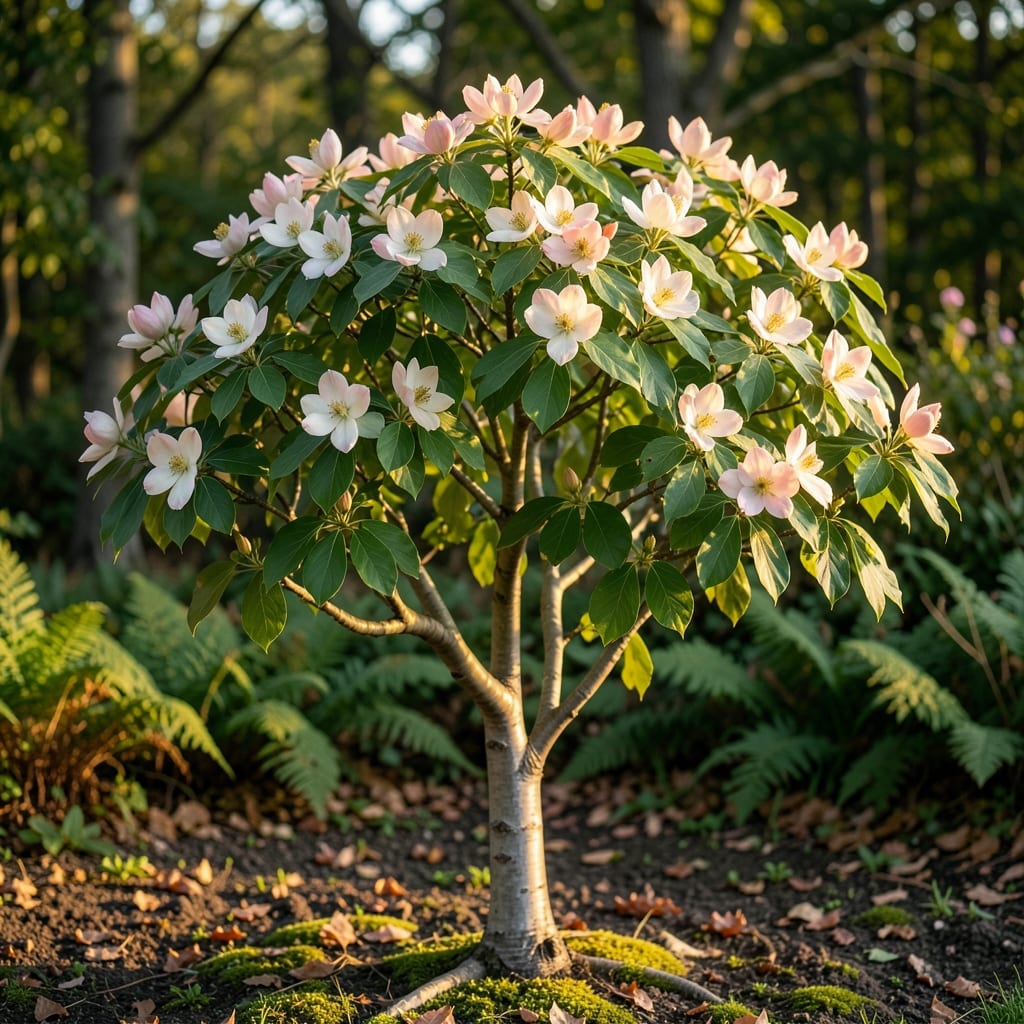
If you're wondering how tall can a dogwood tree grow, the answer might surprise you—these stunning 🌳 trees can reach anywhere from 10 feet to towering heights of 35 feet, depending on the variety. Whether you're planning a cozy backyard retreat or a grand landscape statement, understanding these differences is key to picking the perfect dogwood for your space.
Not all dogwoods are created equal. Some varieties, like the classic Cornus florida, stay compact at 15-25 feet, making them ideal for smaller yards, while others, such as the Pacific dogwood (Cornus nuttallii), can stretch up to 30-35 feet—think of them as nature's skyscrapers. The right choice depends on your yard's size and your vision for its beauty.
What you might not realize is that factors like sunlight, soil quality, and even your pruning habits can influence how tall your dogwood grows. For example, a tree planted in full sun might grow taller than one in partial shade, while strategic pruning can help manage its height over time. Let’s break down the 5 most popular varieties and how to keep them thriving at the perfect size for your landscape.
Ready to transform your outdoor space? Discover which dogwood fits your needs—whether you want a dwarf variety for a cozy corner or a tall specimen to make a bold statement. We’ll also share expert tips on pruning and care to ensure your dogwood reaches its full potential without overpowering your yard.

Dogwood tree height by variety: 5 most popular types & their mature sizes
Choosing the right dogwood tree means understanding their mature height ranges. Some varieties stay compact, while others grow into towering giants. The Florida dogwood (Cornus florida) is one of the most popular, typically reaching 20-30 feet tall with a spread of 25-30 feet. Its showy spring blooms make it a favorite, but its size requires careful planning.
For smaller spaces, the Kousa dogwood (Cornus kousa) is an excellent choice. This variety usually grows 15-25 feet tall but can be kept smaller with proper pruning. It also boasts stunning fall foliage and unique fruit clusters, adding year-round interest without overwhelming your landscape.
Now let’s compare the top 5 dogwood varieties and their mature heights to help you pick the perfect fit for your yard.
The Pacific dogwood (Cornus nuttallii) is the tallest variety, often reaching 25-35 feet tall with dramatic white spring blooms. It’s perfect for large yards or as a focal point in landscapes where space isn’t a concern. If you’re looking for something more manageable, the alternate-leaf dogwood (Cornus alternifolia) grows as a multi-stemmed shrub or small tree, typically 12-20 feet tall.
For wetter climates, the red-osier dogwood (Cornus sericea) is a standout with its vibrant red stems and compact size of 10-15 feet. This variety thrives in moist soils and adds striking winter interest. Each of these dogwoods offers unique benefits, so consider your space, climate, and aesthetic goals before planting.
If you’re unsure which variety to choose, start by measuring your yard and noting the available sunlight and soil conditions. For example, the Florida dogwood prefers well-drained soil and partial shade, while the Pacific dogwood can handle wetter environments. Matching the right variety to your conditions ensures healthier growth and fewer headaches down the road.
Pro tip: Always check the mature spread of a dogwood variety, not just its height. A tree with a wide spread may need more horizontal space than you realize. For instance, a 20-foot-tall dogwood with a 25-foot spread will dominate a small backyard.
🌳
Factors that influence dogwood tree height: sunlight, soil & pruning tips
Did you know that a dogwood tree’s final height isn’t just determined by its variety? While genetics set the baseline, environmental factors like sunlight exposure, soil quality, and even your pruning habits can push a tree toward its maximum potential—or keep it smaller than expected. For example, a Pacific dogwood planted in full sun might reach 35 feet, while one in partial shade could stay closer to 25 feet. Understanding these influences helps you shape your dogwood’s growth to fit your landscape perfectly.
The amount of sunlight your dogwood receives is one of the biggest factors in its height. Most dogwood varieties thrive in partial shade, which means 4-6 hours of morning sun with afternoon shade. Too much direct sun can stress the tree, slowing its growth or even causing leaf scorch. On the other hand, deep shade can lead to leggy growth, where the tree stretches upward to reach light, resulting in a taller, weaker structure. If you’re planting in a sunny yard, consider adding shade cloth or nearby trees to create a balanced light environment.
Now, let’s talk soil quality, which directly impacts nutrient uptake and root development. Dogwoods prefer well-draining, slightly acidic soil with a pH between 5.0 and 6.5. Poor soil—whether it’s too sandy, clay-heavy, or compacted—can stunt growth. For instance, a Kousa dogwood planted in nutrient-rich, loamy soil might grow taller and fuller than one struggling in rocky or waterlogged conditions. If your soil isn’t ideal, amending it with compost or organic matter can give your dogwood the boost it needs to reach its full height potential.
- 🌞 Sunlight: Partial shade (4-6 hrs sun) promotes balanced growth; full sun can stress the tree, while deep shade leads to leggy, taller growth.
- 🌱 Soil: Well-draining, acidic soil (pH 5.0-6.5) encourages healthy root development and optimal height. Amend poor soil with compost.
- ✂️ Pruning: Prune in late winter or early spring to shape growth. Avoid heavy pruning in summer, which can stimulate weak, tall growth.
- 💧 Watering: Deep, consistent watering (1-2 inches per week) supports strong root systems, while drought stress can limit height potential.
- 🌡️ Climate: Cooler climates slow growth, while warmer zones can accelerate height gains. Choose varieties suited to your USDA zone.
Pruning plays a critical role in managing a dogwood’s height, especially if you’re working with a smaller yard. The best time to prune is late winter or early spring, just before new growth begins. This allows you to shape the tree without disrupting its flowering cycle. For example, if you want to keep a Florida dogwood under 20 feet, prune back any upward-growing branches that threaten to exceed your height goal. Just be cautious—over-pruning can reduce flowering and weaken the tree. Always use clean, sharp tools to make precise cuts just above a bud or branch collar.
Another often-overlooked factor is watering consistency. Dogwoods need deep, regular watering, especially during their first few years of growth. Inconsistent watering—like letting the soil dry out completely between waterings—can stunt root development, leading to a shorter, less robust tree. Aim for 1-2 inches of water per week, either from rainfall or manual watering. Mulching around the base of the tree helps retain moisture and keeps roots cool, which encourages steady, healthy growth.
Finally, don’t underestimate the impact of climate and microclimates in your yard. Dogwoods in cooler climates (like USDA Zone 5) may grow more slowly, while those in warmer zones (like Zone 8) can reach their mature height faster. If you’re in a transitional zone, pay attention to how your dogwood responds to temperature shifts. For instance, a Pacific dogwood in a mild coastal climate might grow taller than one in a hot, inland area where it struggles to establish deep roots.
🌿