How To
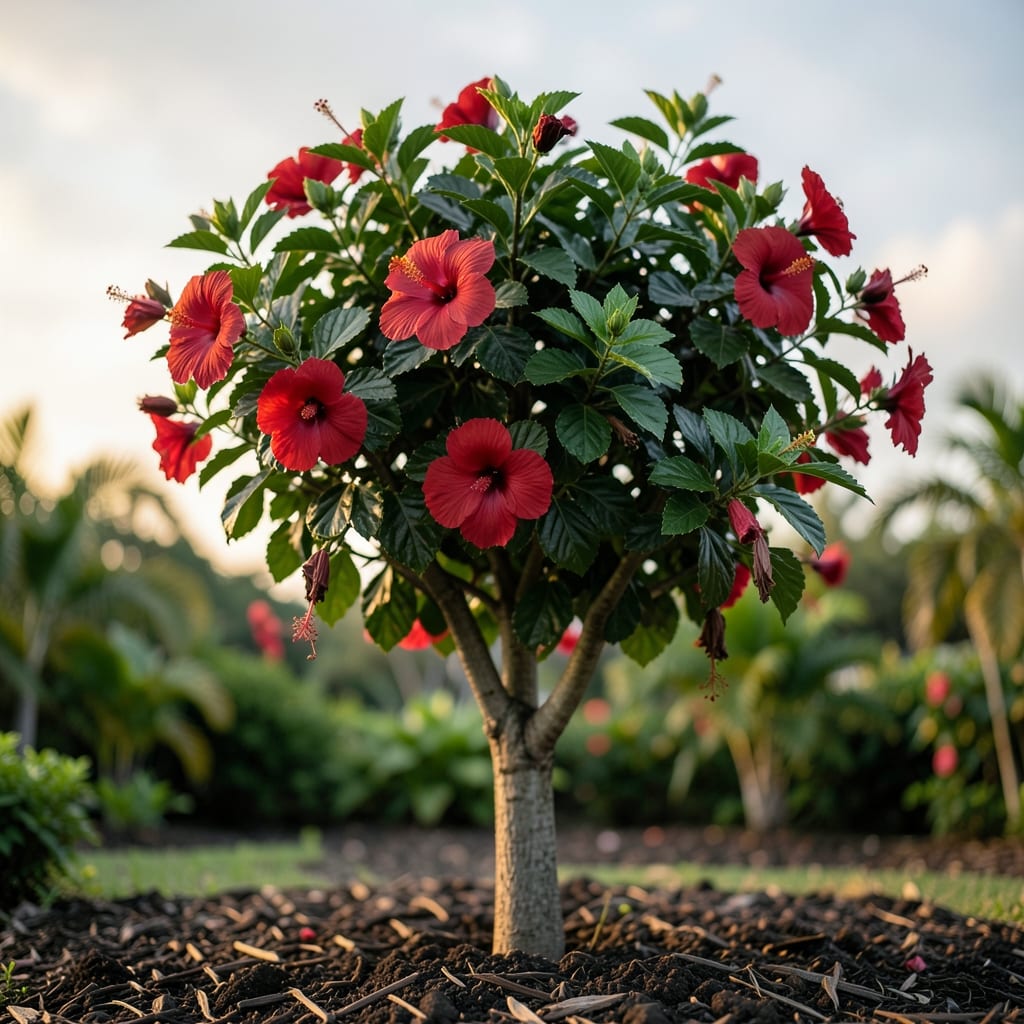
Ever wondered just how tall that stunning 🌺 Hibiscus Tree in your neighbor's yard could grow? The answer might surprise you—these tropical beauties can reach heights from a modest 3 feet to an impressive 30 feet, depending on the variety and growing conditions.
If you're planning your garden layout, knowing the mature height of your hibiscus tree is the key to making the most of your space. Some varieties stay compact, perfect for small yards, while others grow tall enough to rival small trees—creating a dramatic focal point in your landscape.
But here's the catch: growth isn't just about genetics. Factors like pruning techniques, soil quality, and climate play a huge role in determining how tall your hibiscus tree will become. Let me break down what influences their height and how you can optimize care for the perfect-sized plant.
Whether you're dreaming of a towering tropical giant or a manageable shrub, understanding these growth patterns will help you choose the right variety and care routine. Ready to discover the secrets to controlling your hibiscus tree's height?


Hibiscus tree height by variety: from dwarf to giant species
When it comes to hibiscus tree height, the possibilities are as diverse as the stunning blooms themselves. Some varieties stay small enough for container gardening, while others grow tall enough to rival small trees in your landscape. The key to choosing the right hibiscus for your space lies in understanding these variety-specific height ranges and their ideal growing conditions.
For example, the dwarf hibiscus varieties like 'Pixie' or 'Lima' typically mature between 3 to 5 feet, making them perfect for small gardens, patios, or even as striking container plants. Meanwhile, tropical giants like the Hibiscus rosa-sinensis can reach heights of 15 to 30 feet when grown in ideal conditions, creating a dramatic tropical focal point.
Here’s where things get interesting: even within the same species, growing conditions can dramatically alter height. A hibiscus planted in rich, well-draining soil with full sun exposure will grow taller and bushier than one struggling in poor soil or partial shade. Let’s explore the most popular hibiscus varieties and their mature heights to help you make an informed choice.
🌺
If you’re aiming for a manageable height, consider the Hibiscus syriacus or its dwarf varieties like 'Blue Chiffon' or 'Diana'. These hardy types mature between 6 to 12 feet and are perfect for smaller yards or foundation plantings. Their cold-hardiness (USDA Zones 5–9) makes them a favorite for gardeners in cooler climates.
For a bold statement, tropical hibiscus varieties like Hibiscus rosa-sinensis are unmatched. These giants can soar to 30 feet or more when grown in ideal conditions, but they require year-round warmth (USDA Zones 10–12) and regular pruning to control their size. If you live in a cooler climate, these varieties will need to be grown in containers and brought indoors during winter.
Don’t overlook the Hibiscus mutabilis, also known as the Confederate Rose, which offers a unique twist with its bi-color blooms that change from pink to white. This variety typically reaches 8 to 15 feet and thrives in USDA Zones 7–10, making it a versatile choice for warm climates.
🌿
When selecting a hibiscus variety, also consider your garden layout and maintenance preferences. Tall hibiscus trees can create a stunning backdrop for smaller plants, while dwarf varieties add color and texture to borders or container gardens. Always check the mature height and climate requirements before purchasing to ensure your new hibiscus will thrive in your specific conditions.
Pro tip: If you’re unsure about a variety’s growth potential, ask your local nursery for insights based on your USDA hardiness zone. They can recommend the best hibiscus types for your climate and help you visualize how they’ll fit into your garden design.
Factors that influence hibiscus tree height: soil, climate & care
When it comes to hibiscus tree height, genetics set the baseline—but your growing conditions can push those limits. The right soil type, climate zone, and care routine can help your plant reach its maximum potential, while neglect can stunt its growth. Let’s explore the key factors that determine how tall your hibiscus will grow.
First, soil quality plays a massive role. Hibiscus trees thrive in well-draining, slightly acidic soil (pH 6.0-7.0). Heavy, compacted, or alkaline soil can restrict root development, limiting height. Amending your soil with compost or organic matter ensures nutrients flow freely, encouraging taller growth.
Next, consider your climate zone. Tropical hibiscus varieties (like Hibiscus rosa-sinensis) love USDA zones 9-11 and can grow 20-30 feet tall in ideal conditions. In cooler zones (6-8), hardy hibiscus (Hibiscus syriacus) max out at 10-15 feet unless you provide winter protection.
| Factor | Ideal Condition | Impact on Height |
|---|---|---|
| Soil Type | Well-draining, slightly acidic | Supports root growth → taller plants |
| Sunlight | 6+ hours full sun | Encourages vigorous growth |
| Watering | Deep soak 2-3x/week | Prevents drought stress → consistent height gain |
| Fertilizer | Balanced 10-10-10 | Supports blooms and height |
Don’t overlook watering habits. Hibiscus trees need consistent moisture—drought stress slows growth, while overwatering suffocates roots. Aim for deep watering 2-3 times weekly during hot months, adjusting for rain. A mulch layer helps retain moisture and regulate soil temperature, further boosting height potential.
Finally, pruning practices (covered in the next section) directly impact height. Heavy pruning early in growth can keep plants compact, while minimal pruning lets them reach their natural limits. Even light pruning to remove dead branches can encourage upward growth by redirecting energy.
With the right conditions, your hibiscus tree could easily hit its maximum height—but neglect even one factor, and you’ll see stunted growth. Pay attention to these details, and you’ll be rewarded with a stunning, towering beauty that steals the show in your garden.