
How To
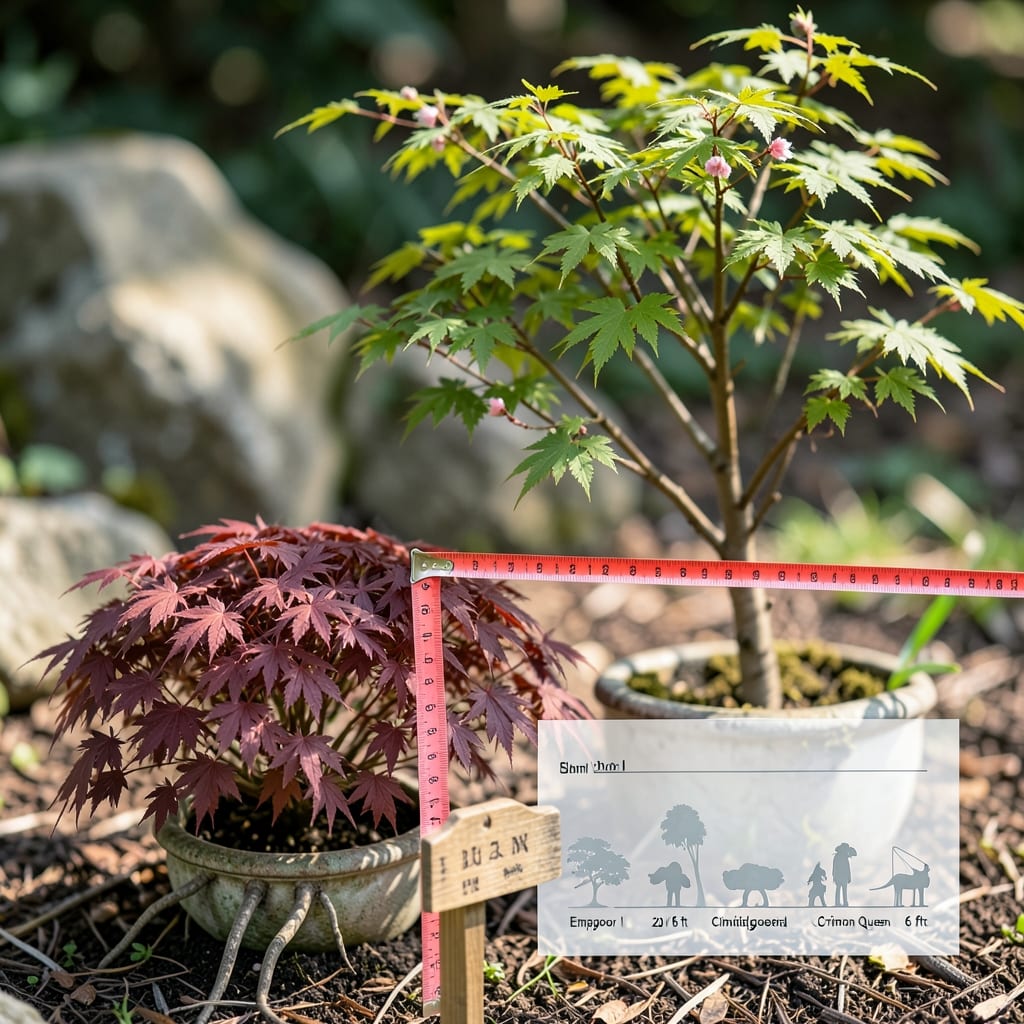
If you're wondering how tall can a Japanese Maple tree grow, the answer might surprise you—these stunning trees can range from a compact 6 feet to towering 40 feet depending on the variety. Whether you're dreaming of a delicate bonsai-style tree or a grand shade provider, the right choice makes all the difference.
The beauty of Japanese maples lies in their diversity—some varieties stay small enough for containers, while others become majestic focal points in large gardens. For example, the Bloodgood variety typically reaches 20-25 feet, making it perfect for mid-sized yards, while dwarf types like 'Shishigashira' stay under 10 feet tall. This flexibility means you can find the perfect fit for your space.
But size isn't just about the variety—soil quality, sunlight exposure, and pruning habits play a huge role in shaping your tree's growth. In USDA Zone 6a, where these trees thrive, giving them the right conditions early on can help them reach their full potential without overpowering your landscape. Let's explore how to choose and care for your Japanese maple to get the height (and beauty) you want.
From selecting the right cultivar to mastering pruning techniques, I'll walk you through everything you need to know to ensure your Japanese maple grows strong and stunning. Whether you're a seasoned gardener or just starting out, these tips will help you nurture a tree that fits your vision—no matter how tall you imagine it to be.

Japanese maple tree height ranges by variety (dwarf to giant sizes)
Japanese maples (Acer palmatum) are famous for their stunning foliage and compact growth habits, but their mature height can vary dramatically depending on the variety. If you're planning your landscape, knowing these ranges will help you choose the perfect tree for your space—whether you need a container-friendly dwarf or a shade-providing giant. Let's explore the most popular varieties and their typical mature heights.
The smallest Japanese maples, like 'Shishigashira' or 'Seiryu', stay under 10 feet tall, making them ideal for urban gardens or patios. On the other end of the spectrum, varieties like 'Bloodgood' or 'Emperor I' can reach 25-40 feet, perfect for large estates or park settings. The key is selecting a variety that matches your available space and design goals.
Here’s a quick comparison to help you visualize the differences. The summary table below breaks down 12 popular varieties, their mature heights, and ideal growing conditions to make your decision easier.
When selecting a variety, consider not just height but also the tree's spread and foliage color. For example, 'Bloodgood' offers deep red leaves and a broad canopy, while 'Shishigashira' has a more upright, columnar shape. If you're limited on space, dwarf varieties like 'Seiryu' or 'Kagiri' are excellent choices for containers or small gardens.
For larger landscapes, varieties like 'Emperor I' or 'Atropurpureum' provide dramatic height and shade. These trees thrive in well-draining soil and partial shade, which helps them maintain their vibrant colors year-round. Always check the USDA Zone 6a suitability
How growth rate and pruning affect Japanese maple tree height
Understanding how your Japanese maple grows over time is key to managing its height and ensuring it stays healthy. These trees typically grow 12-24 inches per year, but this rate can vary based on factors like soil quality, sunlight exposure, and pruning habits. For example, a young 'Bloodgood' might grow 2 feet annually in ideal conditions, while a dwarf variety like 'Shishigashira' grows just 6-12 inches per year. Knowing these growth patterns helps you plan for future pruning and space management.
Seasonal growth also plays a role—most Japanese maples experience rapid growth in spring and early summer, followed by a slower pace in fall and winter. If you notice uneven growth, it could signal nutrient deficiencies or root-bound conditions, especially if the tree is planted in a container. To encourage balanced growth, I always recommend mulching around the base with organic matter like shredded bark to retain moisture and nutrients.
Pruning is one of the most effective ways to control height and shape your Japanese maple. Structural pruning in late winter or early spring helps establish a strong framework, while maintenance pruning throughout the growing season keeps the tree at your desired height. For example, if you want to keep a 'Viridis' under 15 feet, I recommend pruning back 1/3 of the new growth each spring. Always use clean, sharp pruners and seal larger cuts with pruning sealant to prevent disease.
- 📏 Growth Rate: Most varieties grow 1-2 feet per year—dwarf types grow slower, while standard varieties grow faster.
- ✂️ Best Pruning Time: Late winter or early spring (before buds swell) to avoid stressing the tree.
- 🌿 Pruning Goals: Remove dead, crossing, or weak branches first; then shape to control height.
- 💧 Watering Impact: Deep watering promotes stronger root growth, which supports taller, healthier trees.
- 🌡️ Temperature Effects: Cooler climates (like USDA Zone 6a) slow growth, while warmer zones may see faster height increases.
- 🌳 Root Pruning: For container-grown trees, gently prune roots every 2-3 years to encourage bushier growth.
- ⚠️ Avoid Over-Pruning: Never remove more than 25% of the canopy in one season to prevent shock.
If you're growing a Japanese maple in a container, growth rates may slow due to root restriction. To compensate, I recommend repotting every 2-3 years and using a well-draining potting mix with added compost. Container-grown trees also benefit from regular fertilization in spring and summer, using a balanced 10-10-10 fertilizer to support steady growth. For example, a 'Seiryu' in a 15-gallon pot might only reach 8 feet tall if roots are properly managed.
One common mistake I see is pruning at the wrong time. Japanese maples are sensitive to late-summer pruning, as it can stimulate tender growth that may be damaged by frost. Instead, focus on light shaping in early summer and structural pruning in late winter. This approach ensures your tree maintains its vibrant foliage and compact form while growing at a steady, manageable pace.
For those with limited space, dwarf varieties like 'Kagiri' or 'Tamukeyama' are excellent choices because they naturally grow slower and respond well to pruning. Even with these varieties, I always recommend annual pruning to remove any suckers or watersprouts that can disrupt the tree’s shape. With the right care, you can enjoy a perfectly proportioned Japanese maple that fits your space beautifully.