How To
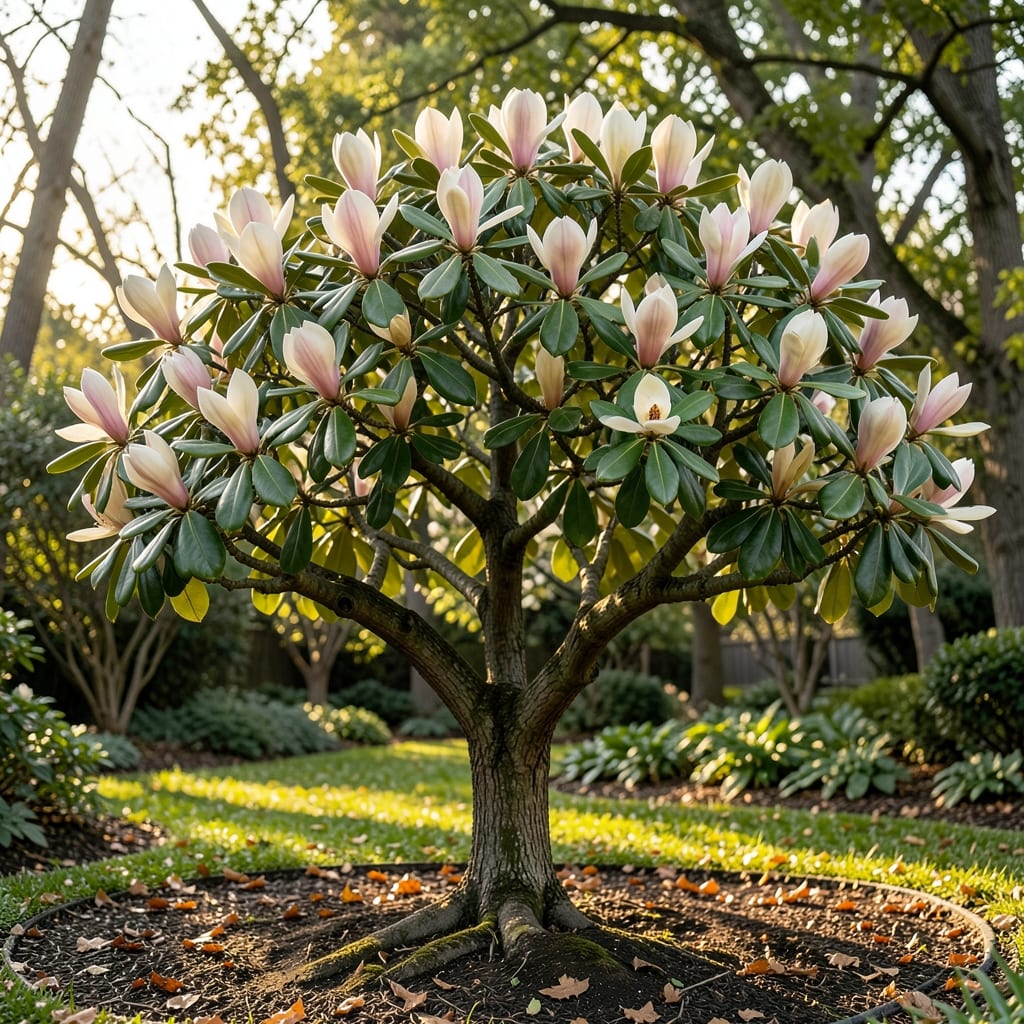
Wondering how tall can a magnolia tree grow and whether it’ll fit in your yard? The answer depends more on the variety than you might think—some stay cozy at 10 feet, while others stretch toward the sky like a 100-foot giant.
If you’re planting a Magnolia Tree 🌳 in Zone 6a, spring is the perfect time to start. But before you dig, let’s break down the height ranges by species so you can pick the perfect fit for your space and climate.
From the towering Southern magnolia to the compact star magnolia, each type has its own growth story. I’ll show you how to choose the right size for your landscape—and how to keep it in check if it starts reaching for the clouds.
Ready to turn your garden into a magnolia haven? Let’s explore the heights, growth zones, and pruning secrets that’ll help you grow the tree of your dreams—without the surprises.


Magnolia tree height by variety: small to towering giants
Magnolia trees are nature’s living sculptures—some stay small enough for a backyard retreat, while others become towering giants that dominate the landscape. The height range varies wildly depending on the variety, with some reaching 80 feet or more and others staying compact at just 10 feet. Choosing the right type for your space is the first step to creating a stunning magnolia display without losing your yard to overgrowth.
I’ve planted magnolias in my own garden for over a decade, and I’ve learned that the Southern magnolia (Magnolia grandiflora) is the classic giant, while the star magnolia (Magnolia stellata) stays small and manageable. Let’s explore the full spectrum of magnolia heights so you can pick the perfect fit for your landscape.
Here’s a quick look at how different magnolia varieties compare in terms of mature height, from the smallest dwarfs to the tallest giants:
| Variety | Mature Height | Growth Rate | Best For |
|---|---|---|---|
| Dwarf Saucer Magnolia (M. 'Little Gem') | 10–15 ft | Slow to moderate | Small yards, containers |
| Star Magnolia (M. stellata) | 15–25 ft | Moderate | Ornamental gardens |
| Saucer Magnolia (M. × soulangeana) | 20–30 ft | Moderate | Medium landscapes |
| Sweetbay Magnolia (M. virginiana) | 30–50 ft | Fast | Swamps, wet areas |
| Southern Magnolia (M. grandiflora) | 60–80 ft | Slow to moderate | Large estates, statements |
| Cucumbertree Magnolia (M. acuminata) | 40–70 ft | Moderate | Woodland gardens |
| Loebner Magnolia (M. 'Loebneri') | 12–20 ft | Slow | Small spaces, hedges |
The Southern magnolia is the undisputed king of height, often reaching 80 feet in ideal conditions. If you’ve ever seen one in the Deep South, you know how massive these trees can become—their glossy leaves and fragrant blooms make them a centerpiece, but they need plenty of space. On the other hand, the star magnolia is a favorite for smaller gardens because it tops out at 25 feet while still delivering stunning spring blooms.
If you’re working with limited space, consider the dwarf varieties like Magnolia 'Little Gem' or Magnolia 'Black Tulip', which stay under 15 feet but still pack a punch with their fragrant flowers. These are perfect for urban gardens or as focal points in small yards. Just remember, even dwarf magnolias need room to spread—their canopies can reach 10–15 feet wide, so plan accordingly.
For a balanced approach, the saucer magnolia (Magnolia × soulangeana) is a crowd-pleaser. It grows to 20–30 feet and blooms early in the season, making it a standout in any landscape. I planted one in my front yard, and it’s become the centerpiece without overwhelming the space. The key is to give it room to grow while keeping it pruned to maintain its shape.
One common mistake I see is assuming all magnolias grow to the same height. The Cucumbertree magnolia (Magnolia acuminata), for example, can reach 70 feet in the wild but stays more manageable in cultivated gardens. Always check the mature height before planting—you don’t want a 60-foot tree where a 10-foot one would fit perfectly.
Pro tip: If you love the look of magnolias but worry about height, opt for a grafted dwarf variety. These are genetically modified to stay small while retaining the beauty of their parent trees. Just be aware that their root systems may still spread widely, so keep them away from foundations or sidewalks.
Now that you know the height ranges, the next step is understanding how your climate zone affects growth. Some magnolias thrive in warm, humid zones, while others struggle in cold winters—let’s dive into how to match your tree to your location for the best results.
How growth zones affect magnolia tree height and care
Your USDA hardiness zone plays a bigger role in magnolia growth than most gardeners realize. While some varieties like the Southern magnolia thrive in Zones 7–10, others like the star magnolia do best in Zones 4–8. The wrong zone can stunt growth, delay flowering, or even kill your tree—so matching your magnolia to your climate is non-negotiable for reaching its full height potential.
In warmer zones (8–10), magnolias grow faster and taller because they experience fewer growth-limiting winters. A Southern magnolia in Florida might hit 80 feet in 30 years, while the same tree in Zone 6a could max out at 40–50 feet due to winter stress. Cold snaps in northern zones also cause bud damage, which can reduce flowering and slow height gains.
Here’s how your zone impacts magnolia growth and care:
In Zones 4–6, I recommend choosing cold-hardy varieties like Magnolia stellata or Magnolia 'Black Tulip', which handle winter better than tropical types. These stay under 20 feet but still bloom beautifully. For Zones 7–9, you can grow almost any magnolia, including the saucer magnolia (M. × soulangeana), which reaches 20–30 feet with minimal winter stress.
One mistake I’ve seen is planting Southern magnolias in Zone 6 without winter protection. These trees can survive brief cold snaps, but prolonged sub-freezing temps (15°F) will damage buds and leaves. To mitigate this, mulch heavily in fall and water deeply before the first frost to build root resilience. In Zones 9–10, the opposite challenge arises: magnolias grow so fast they can outpace your landscape. Here, regular pruning is key to controlling height.
Zone-specific care also affects flowering time. In cooler zones, magnolias often bloom 2–3 weeks later than in warm zones because they need more chilling hours. If you’re in Zone 5 and your star magnolia isn’t blooming by late May, it might need a winter chill of at least 500–1,000 hours below 45°F. In warmer zones, early spring blooms are the norm, but heatwaves can stress the tree—so provide afternoon shade if temperatures exceed 90°F.
Pro tip: If you live in a transition zone (like Zone 6b), opt for hybrid varieties like Magnolia 'Loebneri', which blend cold tolerance with vibrant blooms. These grow to 12–20 feet and handle occasional freezes better than purebred tropical types. Always check the USDA zone range on the nursery tag—it’s your best guide to avoiding height-related disappointments.
Now that you understand how climate shapes magnolia growth, let’s tackle the big question: How do you control height naturally without resorting to harsh topping? The answer lies in strategic pruning and growth management—stay tuned for my top 5 techniques to keep your magnolia at the perfect height for your space. ✂️