How To
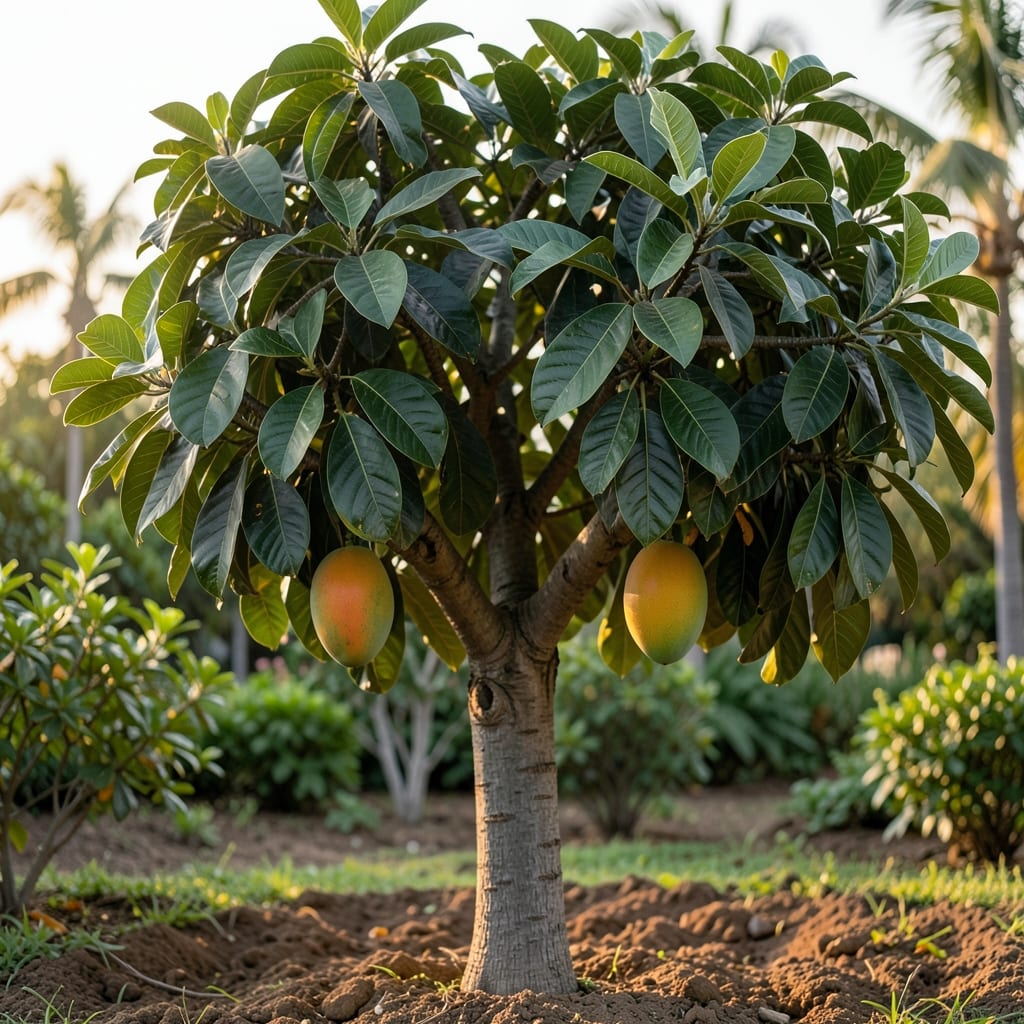
If you’ve ever dreamed of growing your own 🥭 mango tree, you might be surprised by how tall a mango tree can grow—some varieties stretch toward the sky like natural skyscrapers, while others stay small enough for a backyard. The answer to how tall a mango tree can grow depends on its variety, climate, and the care you provide, with heights ranging from compact 10-foot dwarfs to towering 100-foot giants in tropical regions.
For most gardeners in USDA zones 10-11, standard mango trees typically reach 40-60 feet at maturity, making them a stunning but space-demanding addition. But don’t worry—dwarf varieties like ‘Cogshall’ stay under 15 feet, perfect for containers or small yards. Whether you’re planning a lush orchard or a single tree in your patio, knowing these height ranges helps you choose the right variety for your space and climate.
The key to managing a mango tree’s size lies in pruning, grafting, and even selecting the right variety for your growing conditions. In tropical climates, unpruned trees can grow aggressively, while cooler microclimates may require more careful maintenance to encourage healthy growth. By understanding these factors, you can shape your tree’s height to fit your needs—whether that means a manageable backyard tree or a towering centerpiece for your landscape.
Ready to grow your own? I’ll break down the best varieties for different spaces, how climate affects height, and practical tips to keep your mango tree at your ideal size—so you can enjoy fresh fruit without sacrificing your yard’s layout. Let’s get started!


Mango tree height by variety: dwarf vs. standard vs. giant growth charts
Mango trees are famous for their dramatic height variations—from dwarf varieties that fit patio pots to giant tropical giants towering over three-story buildings. The mature height of your mango tree hinges on its variety, rootstock, and growing conditions. Let’s break down the spectrum, starting with the smallest dwarf varieties that thrive in containers to the monumental standard trees that dominate tropical landscapes.
For urban gardeners or small backyards, dwarf mango varieties like 'Cogshall' or 'Julie' max out at 10–15 feet, making them perfect for container growing. These varieties are grafted onto dwarfing rootstock, which restricts their vertical growth while maintaining fruit production. Meanwhile, standard varieties like 'Keitt' or 'Haden' can reach 40–100 feet in ideal tropical climates, requiring spacious yards or orchards.
Visualize the scale: A 100-foot mango tree (like 'Alphonso' in India) dwarfs even the tallest oak. Yet, with the right pruning techniques and rootstock selection, you can keep a tree at a manageable 15–20 feet—ideal for suburban homes. The key? Choosing the right variety for your space and climate.
🌱
| Variety | Mature Height (ft) | Growth Rate (ft/year) | Ideal Climate | Best For |
|---|---|---|---|---|
| Cogshall | 10–15 | 1–2 | Tropical/Subtropical | Containers, Patios |
| Julie | 12–18 | 1.5–2.5 | USDA 10–11 | Small Yards, Urban |
| Keitt | 40–60 | 3–5 | Tropical | Orchards, Large Properties |
| Haden | 50–80 | 4–6 | Subtropical | Commercial Farms |
| Alphonso | 80–100+ | 5–8 | Tropical (India) | Orchards, Monumental Trees |
| Kent | 30–50 | 2–4 | Subtropical | Medium-Sized Yards |
| Ice Cream | 25–40 | 2–3 | Tropical/Subtropical | Home Gardens |
Note: Heights vary with pruning, rootstock, and care. Container-grown trees stay smaller but need annual repotting.
If you’re growing mangoes in containers, prioritize dwarf varieties like 'Cogshall' or 'Julie', which thrive in 15–20 gallon pots with proper drainage. These trees can produce fruit while staying under 15 feet, making them ideal for balconies or patios. For larger spaces, semi-dwarf varieties like 'Kent' (25–40 feet) offer a balance between manageable size and abundant harvests.
In tropical climates, standard varieties like 'Keitt' or 'Haden' can grow unchecked, reaching 60–100 feet without intervention. Without regular pruning, these trees develop a dense canopy that blocks sunlight from lower branches, reducing fruit production. Pruning isn’t just about height control—it’s about airflow and sunlight penetration, which directly impact fruit quality and yield.
For subtropical regions like Florida or California, where winters are mild but not fully tropical, varieties like 'Carrie' or 'Teddy' grow to 30–50 feet but are more cold-hardy. These trees benefit from winter pruning to remove dead wood and shape their growth before spring flushes. Even in these zones, dwarfing rootstock can limit height by up to 50%, making them viable for smaller properties.
🌳
One common misconception is that older mango trees
Climate’s role in mango tree height: tropical vs. subtropical vs. container growth limits
Your mango tree’s final height isn’t just about its variety—climate plays a massive role. In tropical regions like Florida or Hawaii, mango trees grow unrestrained, often reaching 50-100 feet with no pruning. Meanwhile, in cooler subtropical zones like California or Arizona, the same tree might max out at 20-30 feet without careful care. Even microclimates within your yard can shift growth patterns, so understanding these differences helps you set realistic expectations.
The tropical climate advantage comes from year-round warmth, high humidity, and 12+ hours of sunlight daily. These conditions fuel rapid vertical growth, but they also require aggressive pruning to manage size in home gardens. In contrast, subtropical climates with cooler winters (even mild ones) slow growth, often resulting in shorter, bushier trees. For example, a ‘Haden’ mango in Miami might hit 60 feet, while the same tree in Los Angeles stays under 25 feet.
🌱Key-takeaway visual element coming next—this will highlight the 3 climate zones that dictate mango tree height and how to adapt care for each.
Climate Zones & Mango Tree Height
🌴 Tropical Zones
Height: 50-100+ ft
Conditions: Warm year-round, high humidity
Care Tip: Prune aggressively to control size
🌞 Subtropical Zones
Height: 20-40 ft
Conditions: Mild winters, less humidity
Care Tip: Light pruning for shape
🏺 Containers
Height: 10-15 ft (dwarf varieties)
Conditions: Limited root space
Care Tip: Regular repotting & pruning
Wind exposure is another hidden factor affecting height. In open tropical areas, mango trees grow taller and leggier to reach sunlight above competing vegetation. But in urban or sheltered microclimates, trees often grow wider and shorter due to reduced wind stress. If you’re growing a mango tree in a container or patio, this wind protection effect disappears entirely—limiting height to 10-15 feet even for standard varieties.
🌬️ To maximize height in less-than-ideal climates, focus on 3 key adjustments: use heat-loving varieties like ‘Kent’ or ‘Julie’, provide winter protection (like windbreaks or row covers), and fertilize with phosphorus to encourage root and trunk development. Even in cooler zones, these tweaks can push a mango tree 10-20 feet taller than its natural limit.
For container growers, the root-bound effect naturally limits height—just like bonsai trees. A 5-gallon pot might keep a dwarf variety under 8 feet, while a 15-gallon container allows 12-15 feet. The trade-off? Smaller containers mean smaller fruit, but they’re perfect for balconies or patios where space is tight. Always choose a fast-draining mix with perlite or coconut coir to prevent root rot in these confined spaces.
🌳 Whether you’re chasing a tropical giant or a compact patio tree, climate dictates your options. By matching your variety to your local conditions—and adjusting care accordingly—you can grow a mango tree that fits your space and thrives in your yard.