
Size
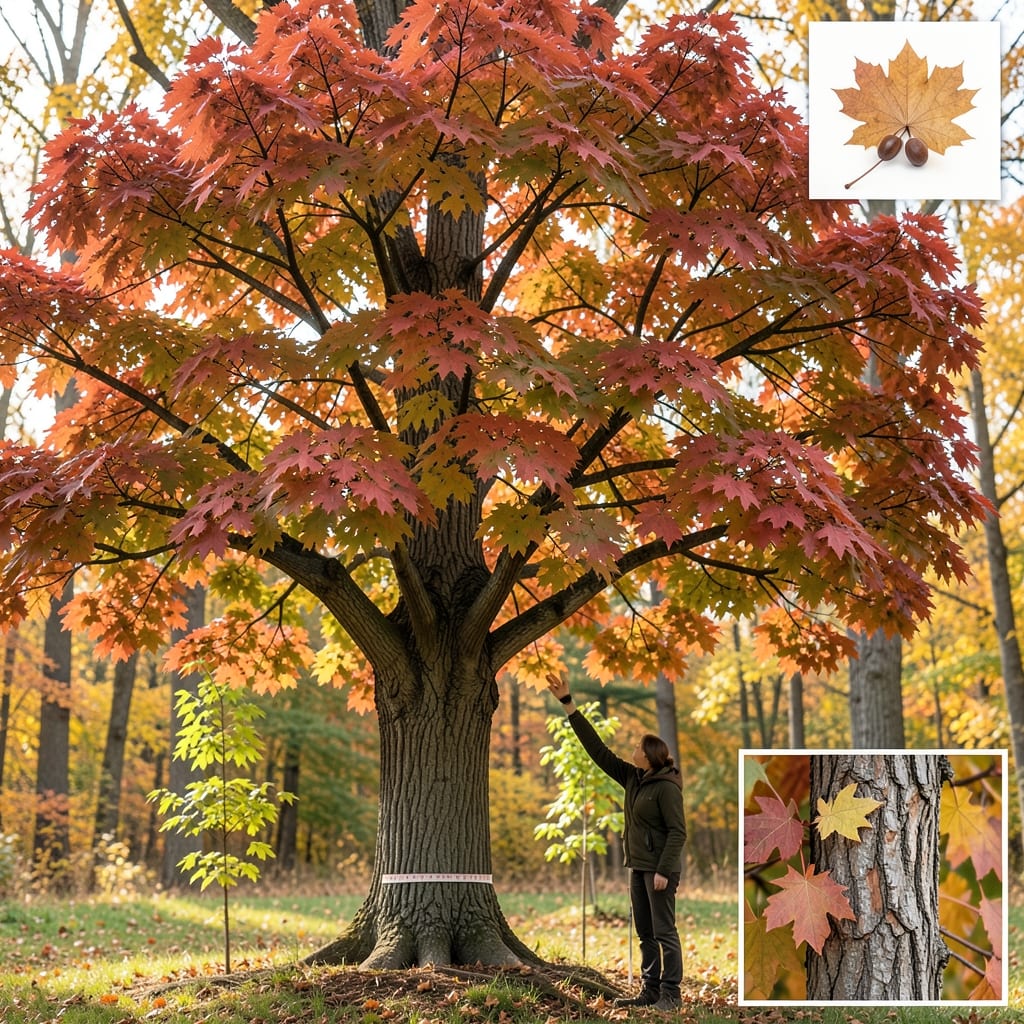
Maple tree height by species: tallest varieties and their growth patterns
Maple trees are nature’s skyscrapers, with some species reaching heights that will make your head spin—literally. The sugar maple (Acer saccharum), famous for its vibrant fall colors, can tower up to 70–100 feet at maturity, while the bigleaf maple (Acer macrophyllum) on the West Coast often surpasses 120 feet, rivaling the height of a 10-story building. But don’t let these numbers intimidate you—understanding these giants’ growth patterns helps you plan your landscape with confidence.
Not all maples are created equal. The silver maple (Acer saccharinum) grows faster but typically maxes out around 50–80 feet, while the Norway maple (Acer platanoides) can hit 60–80 feet with a dense, rounded canopy. Even smaller maples like the Japanese maple (Acer palmatum) can reach 25–35 feet in ideal conditions, proving that big dreams don’t always mean big trees. The key? Soil quality, sunlight exposure, and climate play huge roles in determining how tall your maple will grow.
Did you know? The tallest recorded maple tree is a bigleaf maple in Oregon, standing at a staggering 167 feet—taller than a blue whale’s length! While most homeowners won’t host a tree this massive, knowing these extremes helps you set realistic expectations for your own backyard.
Climate plays a surprising role in maple tree height. In cooler, northern climates, sugar maples often grow taller due to slower, steady growth, while in warmer southern regions, silver maples may max out earlier because of heat stress. Well-draining, slightly acidic soil (pH 6.0–7.0) also fuels vertical growth—compacted or waterlogged soil can stunt a maple’s potential by 30–50%. If you’re planting near power lines or structures, opt for dwarf or semi-dwarf varieties like ‘Autumn Blaze’ or ‘October Glory,’ which stay under 30–50 feet.
Pro tip: Measure your tree’s height annually by using a clinometer or the “shadow method” (have someone hold a stick upright while you measure its shadow and compare it to your tree’s shadow). This
How fast do maple trees grow to their maximum height? Growth rates by age
Maple trees don’t grow at a steady pace—their height depends heavily on their age and species. In their first few years, maples are growth machines, shooting up 1–2 feet annually as saplings. The boxelder maple (Acer negundo), for example, can grow 3–4 feet per year in ideal conditions, making it one of the fastest-growing maples. But as they mature, their growth slows dramatically, often dropping to just 6–12 inches per year once they reach 20–30 feet tall.
Understanding these growth phases helps you plan your landscape. A 5-year-old sugar maple might only be 10–15 feet tall, while a 20-year-old silver maple could already be 40–50 feet. The key is patience—most maples take 20–30 years to reach even half their mature height. If you’re planting near a house or driveway, this timeline is critical to avoid future headaches.
Climate and care also tweak growth rates. Maple trees in cooler climates grow more slowly but often reach greater heights, while those in warmer regions may grow faster initially but max out earlier. Proper watering, mulching, and pruning can accelerate growth by 20–30% in the early years. For instance, a well-cared-for red maple (Acer rubrum) might hit 30 feet in 10 years, whereas a neglected one could struggle to reach 20 feet in the same time.
🌱 Maple Tree Growth Phases
- 🌱 Sapling Stage (Years 1–5): 1–5 feet/year (fastest growth). Ideal for shaping young trees with pruning.
- 🌳 Juvenile Phase (Years 6–15): 1–3 feet/year. Canopy expands rapidly; focus on structural pruning.
- 🌲 Mature Growth (Years 16+): 6–12 inches/year. Growth slows; prioritize health over height.
💡 Pro Tip: Use growth charts to track your tree’s progress—most nurseries provide species-specific projections.
If you’re impatient for shade or aesthetic value, fast-growing species like silver maple or boxelder deliver quick results, but they may have shorter lifespans or weaker wood. Slower growers like sugar maple or Norway maple take longer but offer long-term stability and beauty. For example, a sugar maple might take 30 years to reach 50 feet, but it’ll live for 200+ years, while a boxelder could hit 40 feet in 15 years but may only last 50–70 years.
To optimize growth, plant in early spring (March–April) when roots establish before summer heat. Avoid over-fertilizing—maples prefer balanced nutrition over rapid growth. A 10-10-10 NPK fertilizer applied in early spring and fall keeps them healthy without encouraging weak, fast growth that can lead to structural issues.
Remember: Patience is key. A maple’s true height potential unfolds over decades, but with the right care, you’ll have a towering centerpiece for generations. Start small—plant a 3–5 foot sapling today—and watch it become the 60–100 foot giant of your dreams in time.