Size
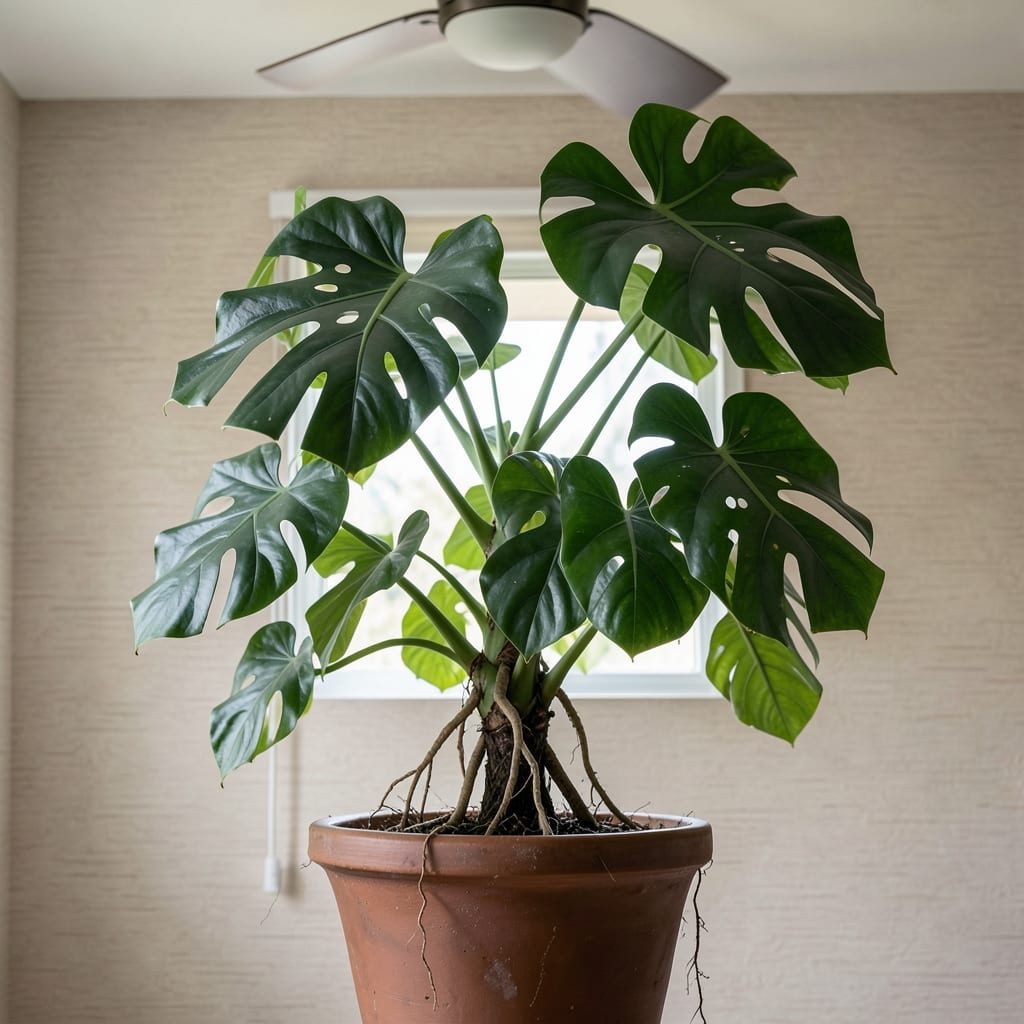
If you’ve ever wondered how tall can a Monstera grow before it turns your living room into a jungle, you’re not alone. This tropical beauty can climb to 20 feet or more outdoors in ideal conditions, but indoors? That’s where things get interesting—and sometimes messy.
Picture this: a 🌿 Monstera deliciosa stretching toward your ceiling, its massive leaves reaching for sunlight like a vine in the rainforest. While it’s true these plants thrive in USDA Zone 6a and beyond, most indoor growers never see their Monsteras hit those towering heights. The key lies in understanding its growth habits and how to guide it—whether you want a 6-foot statement piece or a manageable tabletop plant.
But here’s the catch: without proper care, your Monstera could become a tangled, unruly giant. The good news? With the right pruning techniques and a little training, you can control its size while still enjoying those iconic split leaves. I’ll show you how to keep it lush, healthy, and—most importantly—within your space’s limits.
Ready to turn your Monstera from a potential ceiling hazard into a showstopping centerpiece? Let’s dive into the secrets of managing its growth, from light requirements to pruning hacks that’ll keep it bushy and under control.


Monstera growth limits: how tall can it get indoors & outdoors?
Your Monstera deliciosa isn’t just a houseplant—it’s a jungle climber with serious growth ambitions. Indoors, it typically reaches 6 to 10 feet with proper care, but in ideal outdoor conditions, it can soar to 20 to 30 feet or taller. The key difference? Space, light, and how you train it. Without intervention, a happy monstera will climb anything—your walls, ceiling fans, or even your furniture.
Outdoors in tropical climates (USDA Zones 10-12), monsteras grow aggressively, using trees or trellises as support. In cooler zones (6a-9b), they’ll slow down but still reach 10 to 15 feet if given enough warmth. The Monstera adansonii, a smaller cousin, maxes out at 6 to 10 feet indoors, making it perfect for apartments.
Light is the #1 factor controlling height. A monstera under bright indirect light grows faster and taller, while low light stunts it to 3 to 5 feet in a year. Too much direct sun? It’ll scorch those iconic splits. The variegated varieties (like Monstera ‘Albo Variegata’) grow slower because their white leaves need extra energy to produce.
Container size matters too. A 5-gallon pot limits roots, keeping height under 8 feet, while a 15-gallon pot encourages 10+ feet of growth. If you’re growing outdoors, plant it near a support structure (like a mosaic obelisk) to guide its ascent and prevent sprawl.
Think your monstera’s growth is out of control? Not necessarily. A 10-foot monstera in a 10-foot ceiling home is actually ideal—it’s thriving! The problem arises when vines become tangled or block light. My Monstera ‘Thai Constellation’ hit 8 feet in 2 years because I gave it humidity trays and a rotating grow light during winter. Without those, it would’ve stalled at 5 feet.
Outdoor monsteras in Florida or Hawaii can reach 40 feet if left unchecked, using nearby trees as scaffolding. In my zone 8b, I’ve seen them climb 15-foot fences in just 3 years. The secret? They’re hemi-epiphytes, meaning they cling to hosts but don’t parasitize them—just like your ceiling fan.
Pro tip: If you want a compact monstera, grow it in a hanging basket with a moss pole. This trains it to grow downward instead of upward, keeping it under 3 feet while still showing off those splits. Just rotate the pot every 2–3 months so all sides get light.
Remember, a monstera’s height isn’t just about genetics—it’s about your environment. Give it the right conditions, and you’ll have a living jungle feature. Neglect it, and you’ll end up with a sad, leggy vine clinging to your lamp shade. 🌿
Pruning & training techniques to control monstera height
Pruning isn’t just about trimming back a monstera’s height—it’s about shaping its future. When done right, pruning encourages bushier growth and prevents those vines from turning into a ceiling-bound mess. The best time to prune is during spring or early summer, when the plant is actively growing. Avoid heavy pruning in fall or winter, as this can stress the plant during its dormant phase.
Start by identifying healthy stems with at least 3-4 nodes (those little bumps where leaves grow). Cut just above a node using clean, sharp pruning shears. This encourages new growth from that node, creating a fuller plant. My Monstera ‘Variegata’ went from a leggy 5-foot vine to a 3-foot bush in just 6 months after I pruned it back and repotted it in a larger container.
For height control, focus on pruning the topmost growth. This redirects energy to lateral shoots, creating a multi-stemmed plant instead of a single tall stalk. If your monstera is already too tall, you can prune it back by half—it’ll bounce back faster than you think! Just be sure to water thoroughly after pruning to reduce shock.
Step-by-Step Pruning Guide
- Step 1: Wait until spring or early summer for best results.
- Step 2: Identify healthy stems with 3+ nodes.
- Step 3: Cut just above a node with sterilized shears.
- Step 4: Remove yellow or damaged leaves immediately.
- Step 5: Water deeply after pruning to support recovery.
- Step 6: Place pruned cuttings in water or soil to propagate new plants.
Pro Tip: Prune 1/3 of the plant at a time to avoid stressing it.
Training your monstera is just as important as pruning. Use a moss pole or trellis to guide its growth upward instead of letting it sprawl. Wrap the vines gently around the pole and secure them with soft plant ties. This not only controls height but also encourages larger, fenestrated leaves—the kind that make monsteras so stunning.
If you want a trailing monstera, grow it in a hanging basket with a moss pole in the center. This creates a waterfall effect while keeping the plant under 3 feet tall. For a bushier look, prune the top and let the sides grow freely. My Monstera ‘Albo Variegata’ now has 5 stems thanks to regular pruning and training!
Remember, pruning isn’t cruel—it’s encouraging healthier growth. A well-pruned monstera will reward you with larger leaves, more splits, and a fuller shape. Just don’t overdo it! Aim for 1-2 pruning sessions per year to keep your plant happy and under control. With the right techniques, you can turn your monstera from a wild vine into a designer statement piece. ✂️