Size
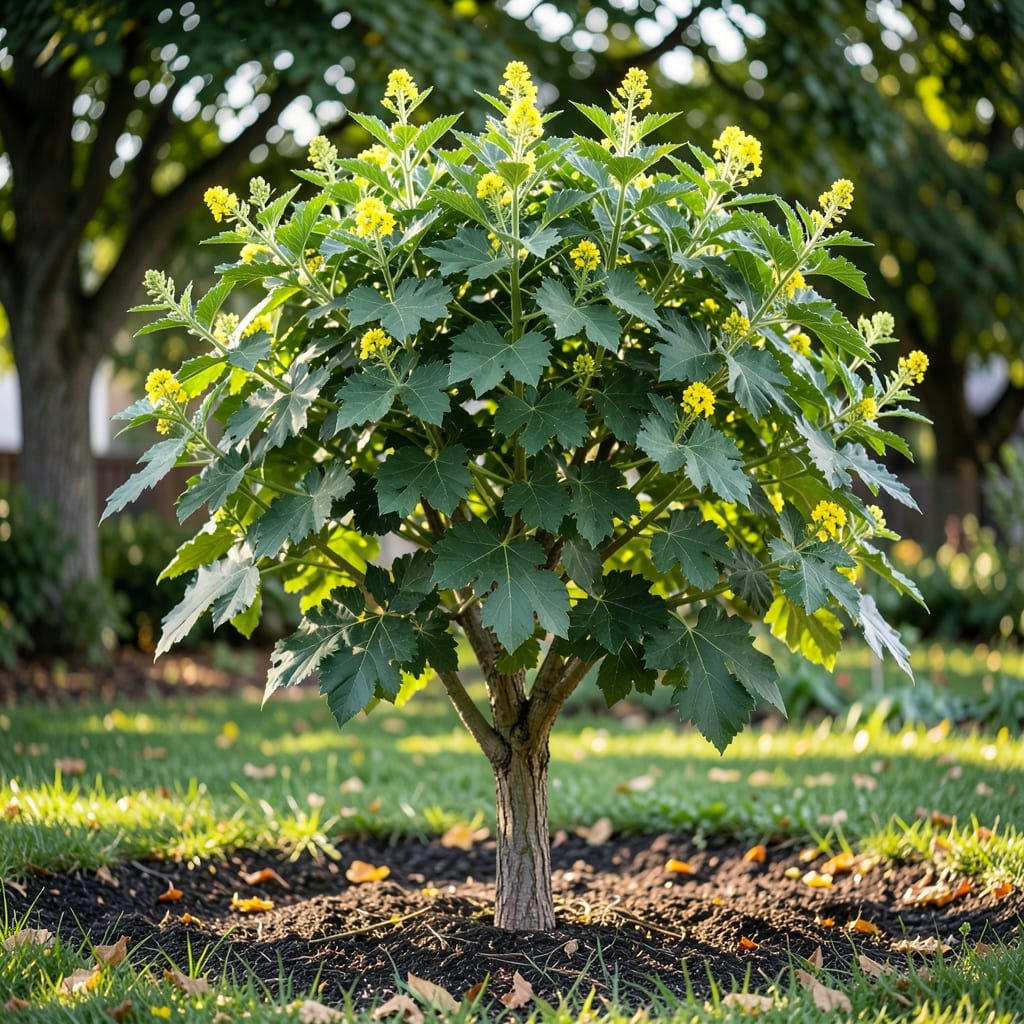
Curious about how tall a mustard tree 🌳 can grow? The answer might surprise you—this striking ornamental plant can reach heights of 15 to 30 feet under ideal conditions, making it a dramatic focal point in your landscape.
But here’s the twist: its growth isn’t just about genetics—climate, soil quality, and care play a huge role. Whether you’re dreaming of a towering specimen or prefer a more manageable size, understanding these factors will help you shape your mustard tree’s future.
From dwarf varieties (though rare) to fast-growing giants, we’ll break down what influences height and how to prune for the perfect look. Ready to discover the secrets behind this plant’s impressive stature?
Let’s dive into the details so you can cultivate the mustard tree of your dreams—whether it’s a sky-high statement or a neatly trimmed shrub.


Mustard tree height by variety: from dwarf to giant varieties
When it comes to mustard tree height, you’ll find a fascinating range—from compact varieties that stay under 10 feet to towering giants that dwarf even the tallest two-story homes. The most common ornamental mustard tree (Brassica juncea) typically matures between 15 to 30 feet, but height depends heavily on the specific variety and growing conditions.
While true dwarf mustard trees are rare in the market, some semi-dwarf varieties or pruned specimens can be kept between 6 to 12 feet tall. If you’re aiming for a statement plant without overwhelming your yard, focus on pruning techniques and soil management to control growth.
For those chasing dramatic heights, the ‘Giant Mustard Tree’ variety is a top choice, often reaching 25 to 30 feet in ideal climates. Meanwhile, the ‘Dwarf Mustard’ (though not widely available) may top out around 8 feet, making it perfect for smaller gardens or containers.
Here’s the key takeaway: mustard trees grow fastest in warm climates with rich, well-draining soil and full sun exposure. In cooler regions, growth slows, and mature heights may skew toward the lower end of the spectrum.
If you’re planting a mustard tree in containers, expect stunted growth—typically under 10 feet—unless you’re using a massive planter. For in-ground planting, give your tree ample space: 15 to 20 feet apart for mature specimens to prevent overcrowding and competition for nutrients.
Pro tip: Young mustard trees grow 2–4 feet in their first year, then accelerate to 6–10 feet by year two. By year three, they can shoot up another 12–18 feet if conditions are ideal. Plan ahead if you’re aiming for a towering giant!
For those in cooler climates (USDA Zones 6–8), growth may plateau slightly, but with proper care—like winter mulching and spring fertilization—you can still encourage robust height. In warmer zones (9–11), these trees thrive year-round, reaching their full potential faster.
Ready to shape your mustard tree’s future? The next step is understanding how to control its height through pruning and care—we’ll cover that in the next section! 🌿
Factors that influence mustard tree height: climate, soil, and care
Did you know your mustard tree’s height isn’t just about genetics? While some varieties naturally reach 25–30 feet, others stay compact with the right care. The biggest factors are climate, soil quality, sunlight exposure, and pruning habits. Let’s break down how each plays a role in shaping your tree’s stature.
First, sunlight is non-negotiable. Mustard trees thrive in full sun (6+ hours daily), which fuels rapid vertical growth. In shadier spots, expect stunted growth—often 50% shorter than their sun-soaked counterparts. If your yard lacks direct sunlight, consider a south-facing window for container-grown trees or supplement with grow lights.
Next up: soil quality. These trees crave well-draining, nutrient-rich soil with a slightly acidic to neutral pH (6.0–7.0). Poor soil? Growth slows dramatically. Amend clay or sandy soil with compost or organic matter to boost drainage and fertility. A quick soil test can reveal if your garden is holding back your tree’s height potential.
🌱 Key Takeaways for Mustard Tree Height
- Sunlight: Full sun = faster, taller growth; shade = stunted height
- Soil: Rich, well-draining soil = optimal growth; poor soil = slower growth
- Watering: Deep, consistent watering = stronger stems; drought = weak growth
- Pruning: Regular pruning = controlled height; no pruning = wild, unchecked growth
- Climate: Warm zones (9–11) = faster growth; cooler zones (6–8) = slower growth
Pro tip: Combine these factors for a mustard tree that hits your desired height—whether it’s a towering giant or a neatly trimmed shrub.
Watering habits also make a surprising difference. Deep, consistent watering (especially during dry spells) encourages strong stem development, while underwatering leads to weak, leggy growth. In containers, water every 5–7 days—small pots dry out faster. For in-ground trees, aim for a deep soak once a week during the growing season.
Don’t overlook the impact of climate. Mustard trees love warm climates (USDA Zones 9–11), where they grow 4–6 feet per year. In cooler zones (6–8), growth slows to 2–4 feet annually. To push growth in chilly regions, use mulch in winter and fertilize in early spring with a balanced 10-10-10 NPK blend.
Finally, pruning plays a critical role. Without pruning, a mustard tree will grow wildly tall and unruly. Strategic pruning in late winter or early spring can keep heights manageable—even for fast-growing varieties. We’ll dive deeper into pruning techniques in the next section to help you shape your tree’s height like a pro! ✂️