
Size
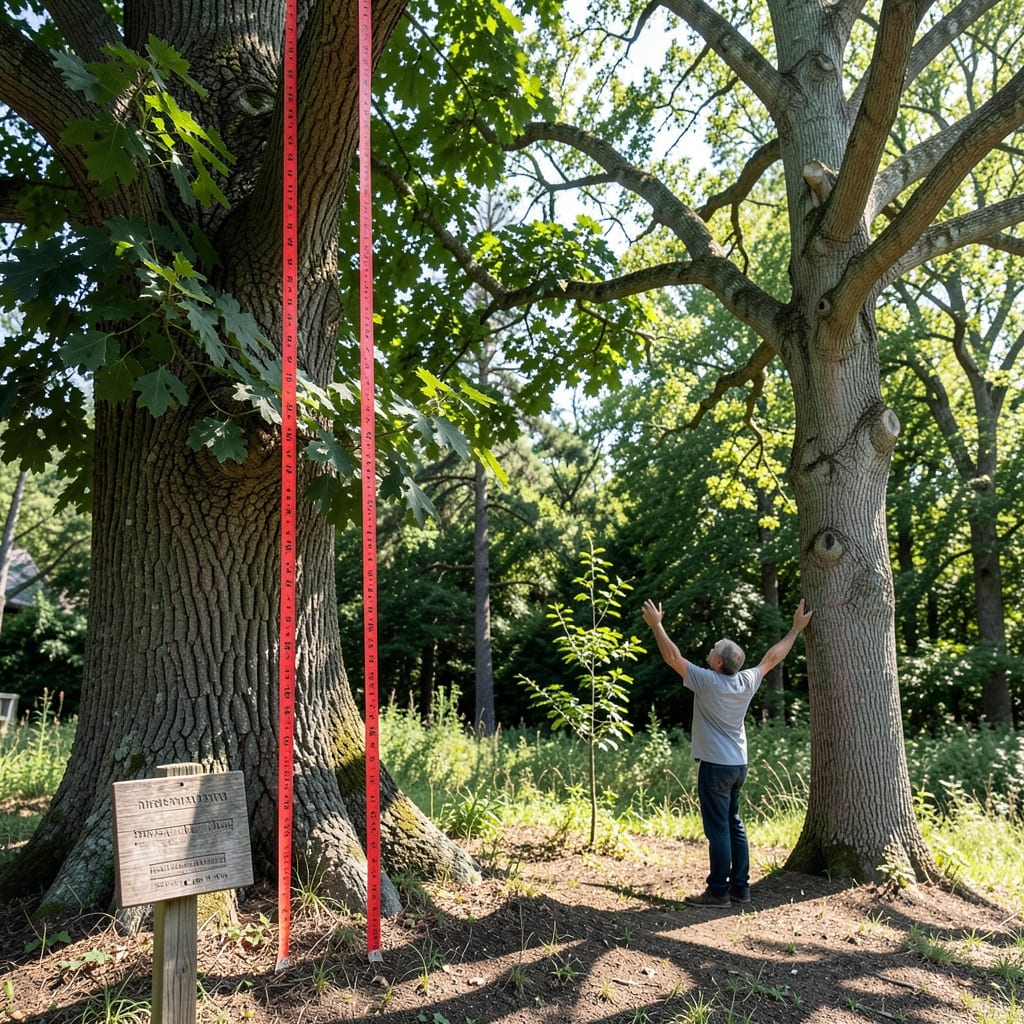
If you’ve ever gazed up at an oak tree and wondered just how tall the oak tree can grow, you’re not alone. Some varieties stretch taller than a 10-story building, while others stay more manageable—yet every oak tells a story of resilience and grandeur. The answer isn’t just about the species, though; soil, climate, and even your backyard’s space play a role in shaping their towering potential.
Picture this: a white oak reaching 80 feet in the wild, its branches forming a canopy that rivals a skyscraper’s shadow. Meanwhile, a red oak in your urban yard might top out at 60 feet due to limited space and city conditions. But here’s the twist—with the right care, even home gardeners can coax their oaks toward impressive heights, provided they pick the right variety and give them room to thrive.
What if you could grow a giant oak in your own landscape? It’s possible, but timing and technique matter. From choosing the fastest-growing species to mastering pruning for strong trunks, we’ll break down the secrets to nurturing a towering 🌳 oak tree that stands as a legacy for decades. Ready to unlock the sky-high potential of your backyard?
The key lies in understanding the balance between nature’s limits and your garden’s possibilities. Whether you’re dreaming of a shade-providing giant or just curious about the tallest oaks on record, this guide will help you plant—and grow—with confidence. Let’s dig into the details.


Tallest oak tree species: height records by type and natural habitat
Oak trees are nature's skyscrapers, with some species reaching heights that dwarf even the tallest buildings. The white oak (Quercus alba) and red oak (Quercus rubra) lead the pack, but their growth depends heavily on their natural habitat. In ideal conditions, white oaks can soar to 120-150 feet, while red oaks typically max out around 80-100 feet. These giants need space to spread their massive canopies, often reaching 100+ feet wide at maturity.
For those dreaming of a backyard oak, the live oak (Quercus virginiana) offers a more manageable height of 60-80 feet, though its sprawling branches can stretch 100 feet wide. In contrast, the bur oak (Quercus macrocarpa) grows slightly shorter at 50-75 feet but thrives in colder climates. Each species has its own growth quirks—some reach their towering heights faster, while others take centuries to mature.
🌳
| Oak Species | Max Height (ft) | Canopy Width (ft) | Natural Habitat | Growth Rate |
|---|---|---|---|---|
| White Oak | 120-150 | 100+ | Eastern U.S. forests | Slow (1-2 ft/year) |
| Red Oak | 80-100 | 70-90 | Midwestern U.S. woodlands | Moderate (2-3 ft/year) |
| Live Oak | 60-80 | 100+ | Southeastern U.S. swamps | Slow (1-1.5 ft/year) |
| Bur Oak | 50-75 | 50-70 | Prairies and open woods | Moderate (2 ft/year) |
| Pin Oak | 70-90 | 40-60 | Wetlands and riverbanks | Fast (3-4 ft/year) |
The tallest recorded oak is a white oak in Michigan's Porcupine Mountains, standing at a staggering 148 feet tall. This ancient giant proves that with the right conditions—deep, fertile soil, abundant rainfall, and no competition—oaks can reach extraordinary heights. In urban settings, however, their growth is often stunted by limited space and polluted air, rarely exceeding 50-60 feet.
If you're planting an oak in your yard, consider the pin oak (Quercus palustris), which grows faster than most species but still reaches 70-90 feet. Its narrower canopy makes it a better fit for smaller properties. Meanwhile, the live oak's sprawling branches make it ideal for shade-loving gardens in warmer climates. Always check local regulations—some cities restrict oak planting due to their massive root systems.
For gardeners in cooler climates, the bur oak is a hardy choice, tolerating temperatures down to -40°F. Its acorn production also attracts wildlife, making it a great ecological addition to any landscape. Just remember: patience is key—oaks grow slowly but steadily, often taking decades to reach maturity.
🪴
Urban oaks face unique challenges, like compacted soil and limited nutrients. To encourage taller growth in cities, I recommend regular deep watering and mulching with compost. Avoid pruning young oaks, as this can stunt their vertical growth. Instead, focus on removing dead branches and shaping the canopy only after the tree has established itself for 5-10 years.
In natural forests, oaks compete for sunlight, which slows their height growth but encourages wider canopies. In open spaces, like meadows or large backyards, they grow taller and straighter. This is why forest-grown oaks often have twisted trunks while yard-grown oaks develop sleek, vertical forms. Understanding this difference helps set realistic expectations for your own oak tree.
🌿
One common misconception is that all oaks grow equally tall. In reality, their height potential varies by species and location. For example, the coast live oak (Quercus agrifolia) in California rarely exceeds 60 feet due to drought conditions, while the white oak in the Appalachians can reach 150
Climate and soil factors that influence oak tree growth height
Climate plays a critical role in determining how tall an oak tree can grow. In humid, temperate regions like the Southeastern U.S., live oaks thrive and can reach 80 feet with abundant rainfall and warm winters. Meanwhile, in drier climates like the Southwestern U.S., oaks often stay shorter—under 50 feet—due to water scarcity. Temperature extremes also matter: bur oaks in cold climates may grow slower but develop thicker trunks to withstand harsh winters.
Soil quality is just as important as climate. Oaks prefer well-draining, slightly acidic soil with a pH between 5.0 and 7.0. Heavy clay soils can stunt growth by restricting root expansion, while sandy soils may not retain enough nutrients. Amending soil with compost or organic matter improves drainage and fertility, helping oaks reach their full height potential. In urban settings, compacted soil often limits growth, so aerating the root zone can make a difference.
🌡️
- 🌧️ Rainfall: Oaks need 30-50 inches/year for optimal growth. Drought-stricken areas limit height to 40-60 feet.
- ☀️ Sunlight: Full sun (6+ hours/day) boosts vertical growth, while shade reduces height by 20-30%.
- 🌡️ Temperature: Cold climates slow growth but increase trunk thickness; warm climates accelerate height gains.
- 💧 Soil Moisture: Well-draining soil prevents root rot, while waterlogged conditions stunt growth by up to 50%.
- 🌿 Elevation: High-altitude oaks grow slower due to thinner air but develop denser wood for stability.
Regional differences highlight how climate shapes oak growth. In the Pacific Northwest, where rainfall exceeds 70 inches annually, white oaks can reach 120 feet with minimal competition. Conversely, in the Great Plains, where droughts are common, oaks rarely exceed 60 feet unless irrigated. Even within the same region, microclimates—like a south-facing slope—can add 10-20 feet to an oak’s height compared to a north-facing site.
Soil depth is another game-changer. Oaks with access to deep root zones (6+ feet) grow taller than those in shallow soil. In rocky terrain, roots struggle to penetrate, limiting height to 30-50 feet. To mimic ideal conditions, I recommend planting oaks in raised beds or mounded soil if your yard has poor drainage or shallow topsoil. This simple adjustment can add decades of growth to your tree’s lifespan.
🪴
Urban oaks face additional challenges, like air pollution and limited space. Cities with high smog levels—like Los Angeles or Chicago—often see oaks grow 20-30% shorter than their rural counterparts. To counteract this, I suggest using air-purifying mulches (like pine bark) and avoiding fertilizers with high salt content, which can damage roots. Pruning for open canopies also helps oaks access more sunlight, encouraging taller growth in tight spaces.
For home gardeners, the key takeaway is adaptation. If you live in a dry climate, choose drought-tolerant species like the pin oak or bur oak. In wet climates, prioritize well-draining soil to prevent root rot. By aligning your oak’s species with your local conditions, you’ll set it up for maximum height potential—whether that’s 60 feet in a city yard or 120 feet in a forest clearing.