
Size
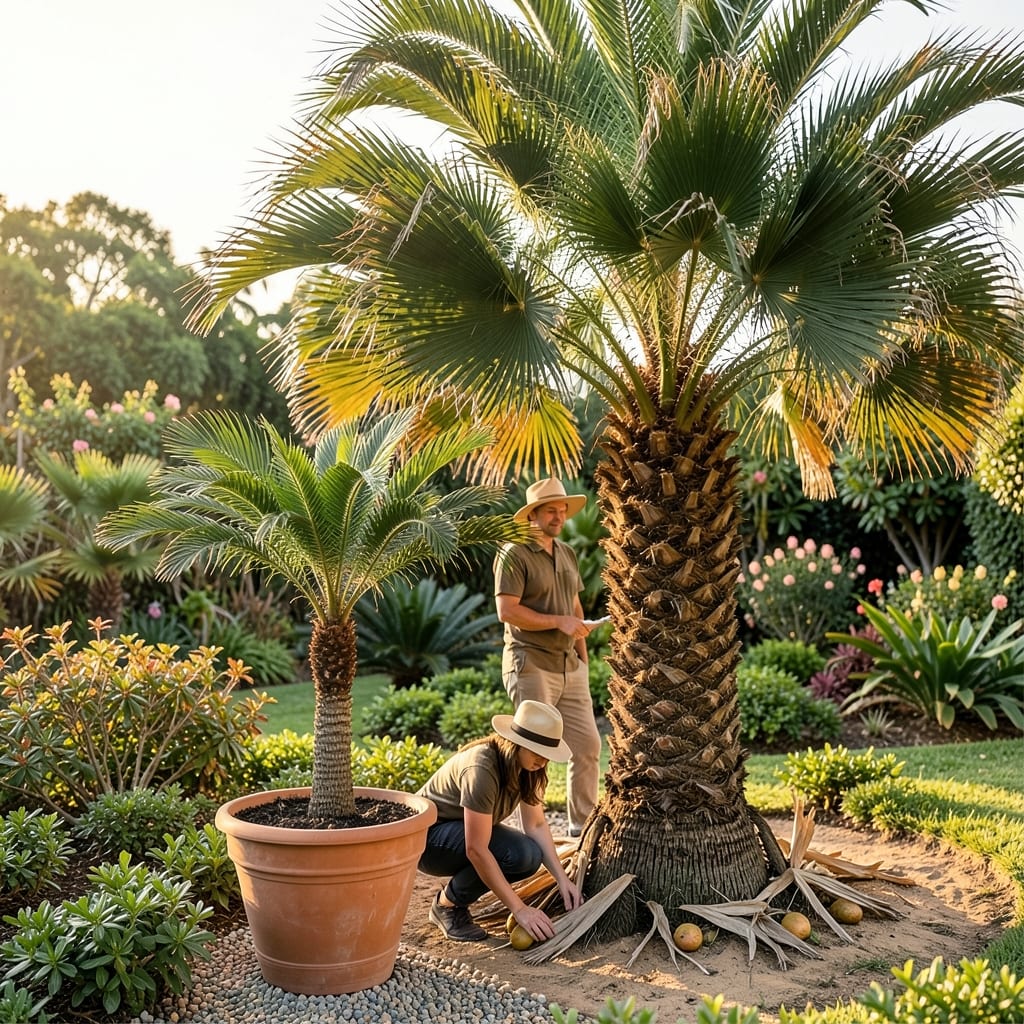
Ever wondered how tall that majestic 🌴 palm tree in your dreams—or your backyard—could actually grow? The answer might surprise you, because some species can stretch over 200 feet while others stay cozy at just a few feet tall. This dramatic range isn’t just about luck; it’s all about the species, your climate, and a few key growing secrets.
If you’ve ever imagined a towering coconut palm shading your pool or a dwarf variety adding tropical charm without the space commitment, you’re not alone. The right palm tree can transform your landscape, but choosing the wrong one might leave you with a disappointment—or a maintenance headache. Let’s break down what makes some palms skyrocket while others stay grounded.
From the fastest-growing species that shoot up in just a decade to the slow-and-steady giants that take decades to reach their full height, every palm tree has its own growth story. Whether you’re in USDA zones 9b-11 or just dreaming of a tropical oasis, understanding these factors will help you pick the perfect palm—and watch it thrive for years to come.
Ready to discover which palms will reach for the sky and which will stay humble? I’ll walk you through the tallest species, the speediest growers, and the secrets to maximizing height—so you can plan your perfect palm paradise today.


Tallest palm tree species: giants that defy expectations
If you’ve ever gazed up at a palm tree and wondered how it could possibly grow taller, you’re in for a surprise. Some species don’t just reach for the sky—they dominate it. The tallest palm trees on Earth can tower over 200 feet, making them some of the most impressive plants in the world. These giants aren’t just about height, though; they also thrive in specific conditions that mimic their natural tropical habitats.
Imagine a palm tree so tall it could shade an entire basketball court—that’s the reality for species like the coconut palm (Cocos nucifera) and the Chilean wine palm (Jubaea chilensis). But before you rush to plant one in your backyard, it’s crucial to understand their growth habits, ideal climates, and the care they demand to reach their full potential. Let’s dive into the world’s tallest palms and what it takes to grow them.
🌴
| Palm Species | Mature Height | Growth Rate | Ideal Climate | Key Care Tips |
|---|---|---|---|---|
| Coconut Palm (Cocos nucifera) | 80–100 ft (24–30 m) | Moderate (1–2 ft/year) | Tropical (USDA 10–11) | Needs sandy, well-draining soil; salt-tolerant |
| Royal Palm (Roystonea regia) | 60–100 ft (18–30 m) | Slow (1 ft/year) | Subtropical (USDA 10–11) | Requires rich, slightly acidic soil; protect from frost |
| Chilean Wine Palm (Jubaea chilensis) | 80–100 ft (24–30 m) | Very slow (6 in/year) | Mediterranean (USDA 9–10) | Drought-tolerant; needs deep, well-drained soil |
| Cocos de Mer (Lodoicea maldivica) | Up to 100 ft (30 m) | Extremely slow (1–2 ft/decade) | Tropical (USDA 11) | Rare; needs humid, shaded conditions |
| Mexican Fan Palm (Washingtonia robusta) | 60–100 ft (18–30 m) | Fast (2–3 ft/year) | Arid (USDA 9–11) | Drought-resistant; tolerates poor soil |
The coconut palm (Cocos nucifera) is one of the most iconic tall palms, often reaching heights of 80–100 feet in its native tropical environments. What makes this species so remarkable is its adaptability—it thrives in sandy soils and even tolerates some salt spray, making it a great choice for coastal gardens in USDA zones 10–11. To encourage rapid growth, ensure it gets full sun exposure and regular deep watering, especially during its first few years.
For those in slightly cooler climates, the Royal Palm (Roystonea regia) is a stunning alternative, though it grows more slowly. This palm can live for over 100 years and reaches its full height of 60–100 feet in about 50 years. It’s a statement piece in landscapes but requires rich, slightly acidic soil and protection from frost. If you’re dreaming of a palm that feels like a tropical escape, this is the one—but be patient! Its growth rate is more of a marathon than a sprint.
🌳
If you’re looking for a palm that’s both tall and drought-tolerant, the Mexican Fan Palm (Washingtonia robusta) is a fantastic option. This species can shoot up to 60–100 feet in just 15–20 years, making it one of the fastest-growing tall palms. It’s also incredibly hardy, tolerating poor soil and arid conditions, which makes it ideal for USDA zones 9–1
Fastest-growing palm trees: quick height gains without compromising size
Not every palm tree takes decades to reach its full height—some species grow at an impressive pace, shooting up 10–15 feet per year under ideal conditions. If you’re dreaming of a towering palm tree but don’t want to wait 30 years, these fast-growing varieties deliver dramatic results in just a decade or two. The key? Choosing the right species and giving it the care it craves.
For example, the Canary Island Date Palm (Phoenix canariensis) can grow 3–5 feet annually in warm climates, while the Mexican Fan Palm (Washingtonia robusta) often tops 20 feet in its first 10 years. These palms aren’t just speedy—they also boast striking fronds and adaptability, making them perfect for both tropical landscapes and urban courtyards.
To maximize their growth, focus on three critical factors: well-draining soil, consistent moisture, and full-sun exposure. Avoid waterlogged roots, which can stunt growth or even kill young palms. Instead, water deeply 2–3 times per week during their first year, then taper to weekly deep soaks once established. A balanced fertilizer (6-6-6 or 8-3-9) applied every 6–8 weeks in spring and summer will fuel their rapid ascent.
Here’s how these speedy palms compare—so you can pick the perfect one for your space and climate:
| Variety | Mature Height | Annual Growth Rate | Ideal Climate |
|---|---|---|---|
| Canary Island Date Palm (Phoenix canariensis) | 50–75 ft | 3–5 ft/year | USDA 9b–11 |
| Mexican Fan Palm (Washingtonia robusta) | 60–100 ft | 2–4 ft/year | USDA 9a–11 |
| Mediterranean Fan Palm (Chamaerops humilis) | 15–30 ft | 1–2 ft/year | USDA 8b–11 |
| Pindo Palm (Butia capitata) | 20–30 ft | 1.5–3 ft/year | USDA 8a–11 |
If you’re in a cooler climate (USDA 8–9), opt for the Mediterranean Fan Palm or Pindo Palm, which tolerate slightly lower temperatures while still delivering fast growth. For tropical or subtropical zones (USDA 9b–11), the Canary Island Date Palm or Mexican Fan Palm will reach their 50–100-foot heights in just 15–20 years.
Pro tip: Plant these palms in well-draining soil with a slightly acidic to neutral pH (6.1–7.5). Amend heavy clay soil with compost or sand to prevent root rot, which can slow growth or kill your palm. Mulch around the base with organic matter to retain moisture and regulate soil temperature—critical for speedy growth.
With the right care, your palm tree could be towering over your roof in no time—just imagine the tropical vibes it’ll bring to your outdoor space! 🌴