
How To
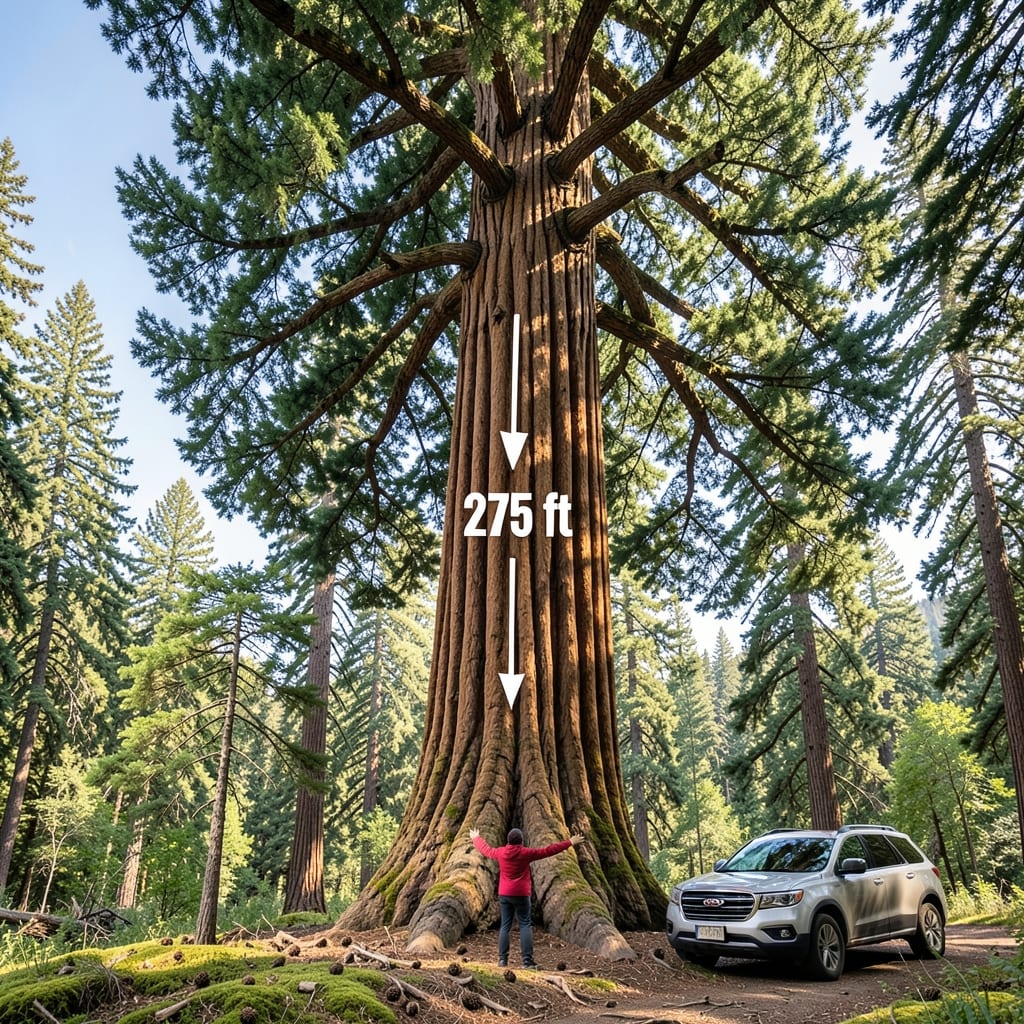
If you’ve ever stood beneath a Sequoia Tree 🌲 and wondered how tall a sequoia tree can grow, you’ve experienced the sheer awe of nature’s tallest living structures. These ancient giants aren’t just impressive—they’re record-breakers, with some species reaching heights that defy belief. But how tall can a sequoia grow, and what makes certain trees soar while others stay grounded?
The answer lies in the two most iconic species: coast redwoods and giant sequoias. While both are legendary, one holds the title for tallest trees on Earth, while the other claims the crown for sheer mass. Understanding their growth potential—and the factors that shape it—is key to appreciating these living skyscrapers. Let’s explore what makes them reach for the heavens.
Growing a sequoia isn’t just about planting a seed; it’s a decades-long commitment to patience and care. From their early years as delicate seedlings to their mature stature as towering sentinels, their growth is influenced by climate, soil, and even human intervention. Whether you’re dreaming of cultivating one or simply marveling at their grandeur, knowing their growth stages helps you grasp the scale of these natural wonders.
In this guide, you’ll discover the record heights by species, how growth stages unfold over time, and the critical factors that determine whether a sequoia will stretch toward the sky or stay closer to the ground. Ready to learn how these giants defy gravity—and what it takes to nurture them?


Record-breaking sequoia heights: species comparison and tallest trees on Earth
When it comes to sequoia tree heights, two species dominate the conversation: the coast redwood and the giant sequoia. While both are architectural marvels, they excel in different ways. The coast redwood, Sequoia sempervirens, holds the title for tallest trees on Earth, while the giant sequoia, Sequoiadendron giganteum, wins for sheer mass and volume. Their growth potential is nothing short of mind-blowing, with some individuals reaching heights that make skyscrapers look modest.
The tallest known coast redwood is Hyperion, standing at a staggering 380 feet (115.8 meters). This tree, located in California’s Redwood National Park, isn’t just the tallest sequoia—it’s the tallest tree on the planet. Meanwhile, the giant sequoia’s record holder, General Sherman, may not be as tall (reaching around 275 feet or 83.8 meters), but it boasts the greatest volume of any known tree, weighing in at over 2.7 million pounds. These records highlight how each species pushes the boundaries of nature’s engineering in different ways.
But how do these trees achieve such monumental heights? It starts with their genetic potential and ideal growing conditions. Coast redwoods thrive in the foggy coastal climates of Northern California, where moisture lingers in the air, allowing them to grow continuously. Giant sequoias, on the other hand, prefer the drier, mountainous regions of the Sierra Nevada, where deep, well-drained soils support their massive trunks. Understanding these differences is key to appreciating why some sequoias reach for the sky while others focus on bulk.
Here’s a closer look at how these two species compare in terms of height, volume, and growth potential:
| Species | Record Height | Record Holder | Typical Mature Height | Key Growth Factor |
|---|---|---|---|---|
| Coast Redwood (Sequoia sempervirens) | 380 ft (115.8 m) | Hyperion | 200–379 ft | Coastal fog and moisture |
| Giant Sequoia (Sequoiadendron giganteum) | 275 ft (83.8 m) | General Sherman | 164–275 ft | Deep, well-drained soils |
| Coast Redwood | N/A | N/A | Trunk diameter: 10–20 ft | Slow, steady growth |
| Giant Sequoia | N/A | N/A | Trunk diameter: 20–36 ft | Fire-resistant bark |
The coast redwood’s ability to grow so tall is often attributed to its thin, flexible branches and efficient water transport system, which allow it to channel resources upward. In contrast, the giant sequoia’s massive trunk is a testament to its focus on width and resilience, with thick bark that protects it from fires—a common hazard in its mountainous habitat. Both species, however, share a remarkable trait: their longevity. Some sequoias live for over 2,000 years, giving them ample time to reach their full potential.
For gardeners or landowners dreaming of growing sequoias, it’s essential to consider the space requirements and growth rates. Even the fastest-growing sequoias take decades to reach impressive heights. For example, a coast redwood might grow 2–3 feet per year in ideal conditions, while a giant sequoia’s growth rate is more modest, averaging 1–2 feet per year. This means that planting a sequoia is a long-term investment, one that requires careful planning and patience. If you’re considering adding one to your landscape, ensure you have the space and commitment to support its growth over centuries.
Beyond their height, sequoias also captivate with their ecological impact. They provide habitat for countless species, from birds and mammals to insects and fungi. Their sheer size creates microclimates that support diverse ecosystems. Whether you’re admiring them in a national park or dreaming of cultivating your own, sequoias remind us of the power of nature’s patience and the incredible heights to which life can aspire—literally.
So, the next time you find yourself gazing up at a sequoia, remember: you’re looking at a tree that has spent centuries reaching for the sky. Their heights aren’t just a measure of growth—they’re a testament to the resilience and adaptability of these ancient giants. Whether it’s the towering coast redwood or the massive giant sequoia, each one is a living monument to nature’s grandeur.
Stages of sequoia growth: how height develops from seedling to century-old giant
A sequoia tree’s journey from a tiny seedling to a towering giant is a testament to nature’s patience. In their first decade, growth is slow but steady, with coast redwoods reaching 6–10 feet by year 10. This early stage is critical—young sequoias need deep, well-drained soil and consistent moisture to establish strong root systems that will later support their skyward ambitions.
Between 10–50 years, sequoias enter their growth acceleration phase. With ideal conditions—coastal fog, rich soil, and minimal competition—they can add 3–5 feet per year. This is when their iconic fire-resistant bark thickens, protecting them for centuries. Without these conditions, growth slows dramatically, often by 50%.
🌲
| Growth Stage | Height Range | Key Growth Factors |
|---|---|---|
| 0–10 Years | 1–10 ft | Root establishment, soil depth, moisture |
| 10–50 Years | 30–100 ft | Fog exposure, nutrient-rich soil, minimal competition |
| 50–100+ Years | 100–250+ ft | Genetics, climate stability, fire ecology |
After 50 years, sequoias enter their prime, where genetics and environment dictate their ultimate height. The tallest coast redwoods, like Hyperion (380 feet), benefit from optimal fog belts and minimal human disturbance. Meanwhile, giant sequoias focus their energy on girth rather than height, becoming the most massive trees on Earth.
One surprising factor is elevation. Trees in lower elevations (near coastlines) grow taller due to coastal fog, while those in mountainous regions (like giant sequoias) prioritize thickness over height. This explains why General Sherman, the largest tree by volume, stands at just 275 feet tall but weighs 2.7 million pounds.
Human activity also plays a role. Fire suppression policies, meant to protect forests, have paradoxically stunted growth by removing natural nutrient cycles from controlled burns. Without periodic fires, underbrush accumulates, stealing resources from young sequoias. Even well-intentioned conservation can inadvertently limit their record-breaking potential.
For gardeners dreaming of growing sequoias, understanding these stages is key. Planting a sequoia isn’t a short-term project—it’s a century-long commitment. But with the right soil, climate, and space, your sequoia could one day join the ranks of Earth’s tallest living structures.