Size
If you’ve ever stood beneath a towering sycamore tree 🌳 and craned your neck to see its canopy, you’ve probably wondered: how tall can a sycamore tree grow? The answer might surprise you—these giants can stretch toward the sky, reaching heights that dwarf even the tallest buildings in your neighborhood.
Sycamores are nature’s skyscrapers, with some varieties like the American sycamore (Platanus occidentalis) or the London plane tree (Platanus × acerifolia) growing up to 100 feet or more under ideal conditions. But their height isn’t just about genetics—soil quality, sunlight, and even your local climate play a huge role in how much vertical space your sycamore will claim.
Whether you’re dreaming of a shade-providing giant for your backyard or planning a landscaping project, understanding these growth limits is the key to making the right choices. I’ll break down the factors that influence their height and how you can encourage (or control) their growth for years to come.
From urban sidewalks to rural landscapes, sycamores add drama and grandeur—but only if you give them the right conditions. Let’s explore what it takes to grow one of these majestic trees to its full potential.


Sycamore tree height by variety: from small backyard specimens to towering giants
Sycamore trees are nature’s skyscrapers, and their height can vary dramatically depending on the variety. The American sycamore (Platanus occidentalis) is the tallest, often reaching 70 to 100 feet in ideal conditions, while the London plane (Platanus × acerifolia) typically maxes out around 60 to 80 feet. Even the Oriental plane (Platanus orientalis) can grow up to 50 to 70 feet, though it’s less common in North America.
What’s fascinating is that some sycamores in the wild—like the famous “Sycamore Tree” in Arkansas—have been measured at over 100 feet tall, with trunks wider than most people are tall. These giants aren’t just tall; they’re monumental in scale, making them a stunning (but space-demanding) addition to any landscape.
But here’s the catch: not all sycamores will hit these heights. Genetics, climate, and care play a huge role. For example, a sycamore planted in a urban setting with limited space may never reach its full potential, while one in a rural area with rich soil and full sun could easily surpass 70 feet. Let’s break down the height ranges by variety so you can pick the right one for your space.
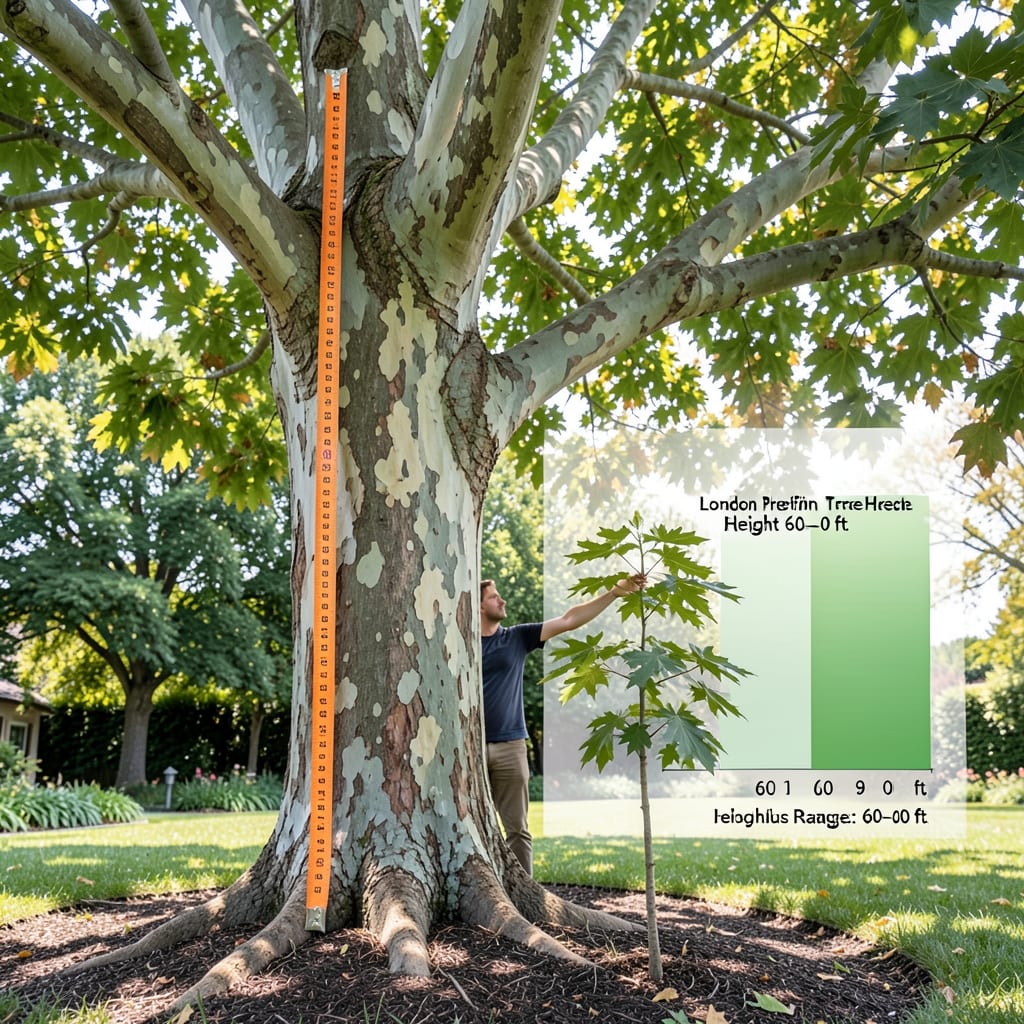
🌱 Visual Guide: Below is a quick comparison of sycamore varieties and their typical mature heights. Use this as a starting point to decide whether a sycamore is the right fit for your yard or landscape project.
If you’re planting a sycamore in a smaller yard, don’t despair—you can still enjoy their beauty by choosing a young specimen or practicing regular pruning to manage height. However, if you’re aiming for a statement tree, the American sycamore is your best bet for rapid vertical growth.
One thing to keep in mind: sycamores don’t just grow tall—they spread wide too. Their canopies can reach 50 to 75 feet wide, so you’ll need plenty of horizontal space as well. This makes them perfect for large properties, parks, or riverside plantings, where they can truly shine.
For those in urban areas, the London plane is often the better choice because it’s more disease-resistant and adaptable to city conditions. But even then, you’ll need to plan for its eventual size—80 feet isn’t just tall; it’s a commitment to long-term landscaping.
🌳 Pro Tip: If you’re unsure about a sycamore’s potential height, consider starting with a smaller tree like a redbud or serviceberry to test your space before committing to a giant like a sycamore.
Next, we’ll dive into the factors that influence sycamore height—from sunlight and soil to pruning techniques—and how you can optimize them to grow the tallest (or most manageable) tree for your needs.
Factors that determine how tall your sycamore will grow (and how to optimize them)
Your sycamore’s height isn’t just about its variety—it’s a combination of genetics, environment, and care. While the American sycamore might genetically reach 100 feet, poor soil or shade could cap it at 50 feet. Understanding these factors lets you maximize growth (or control it) for your space.
The first critical factor is sunlight exposure. Sycamores thrive in full sun (6+ hours daily), which fuels rapid vertical growth. In shady spots, they’ll grow 30–50% slower and stay shorter. For example, a sycamore in partial shade might only hit 40–60 feet instead of its full potential.
🌱 Key Insight: Below are the top 5 factors that shape your sycamore’s height—and how to optimize each for the results you want.
- 🌞 Sunlight: Full sun = faster, taller growth. Prune nearby trees to ensure 6+ hours of direct light daily.
- 💧 Watering: Deep watering 2–3x/week for young trees boosts early height gains. Mature trees need 30–50 gallons/week in dry spells.
- 🌿 Soil Quality: Well-draining, slightly acidic soil (pH 6.0–7.5) supports rapid growth. Amend clay soil with compost or sand.
- ✂️ Pruning: Remove competing branches early to direct energy upward. Avoid heavy pruning after summer—it stunts growth.
- 🌡️ Climate: Sycamores grow fastest in USDA Zones 4–9. In colder zones, growth slows, while hot, dry climates may limit height to 50–70 feet.
Pruning is where you can actively shape your sycamore’s height. If you’re in a small yard, focus on crown thinning to reduce canopy width while allowing the trunk to grow taller. For example, removing 1–2 lower branches per year can keep a sycamore 20–30 feet shorter than its natural height.
Another often-overlooked factor is root competition. Sycamores have aggressive root systems that spread 2–3x their canopy width. Planting near foundations or sidewalks can stunt growth or cause damage. Always give your sycamore plenty of root zone space—at least 30 feet from structures.
🌳 Urban Tip: For city plantings, the London plane is your best bet—it’s more adaptable to compacted soil and pollution. Even so, expect slower growth (5–7 feet per decade) compared to rural sycamores.
Finally, remember that patience is key. Sycamores grow 2–4 feet per year in ideal conditions, but it takes 15–20 years to reach 50 feet. If you’re planting for shade or aesthetics, start small with a young sapling and plan for the long term.