How To
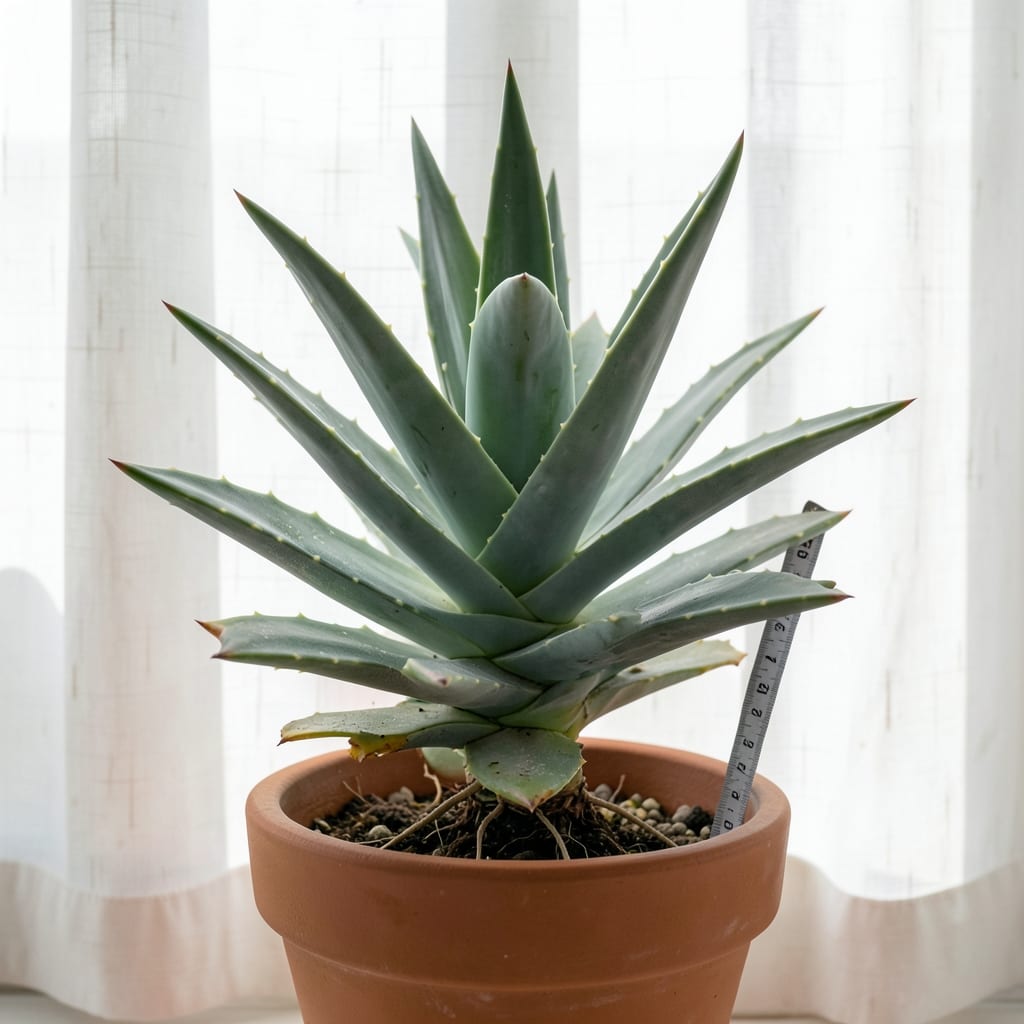
Have you ever looked at your aloe vera plant and wondered how tall can aloe vera grow? The truth is, some varieties can reach 3 feet or more, while others stay compact—it all depends on the type and care you provide. Understanding these differences could transform your 🌱 aloe vera from a small potted plant into a thriving, towering beauty.
The height of your aloe vera isn’t just about luck—it’s about the right conditions. Whether you’re growing Aloe barbadensis (the classic variety) or a taller Aloe arborescens, light, soil, and pruning play a huge role. With the right techniques, you can encourage vertical growth without sacrificing health, and I’ll show you exactly how.
From choosing the perfect pot to mastering pruning secrets, I’ll break down everything you need to know. Whether you’re a beginner or a seasoned gardener, these tips will help you maximize your plant’s height naturally. Ready to unlock your aloe vera’s full potential?
Let’s dive into the factors that determine how tall your aloe vera can grow—and how to give it the best chance to thrive. Your plant’s next growth spurt starts here.

Aloe vera height by variety: from compact to towering giants
Aloe vera plants are famous for their striking, spiky leaves and healing gel, but their height can vary dramatically depending on the variety and growing conditions. If you're wondering why your plant looks like a baby aloe compared to others, the answer likely lies in its genetics. Some varieties stay compact, while others grow tall enough to rival small shrubs. Let’s break down the height ranges and what influences them.
The most common aloe vera, Aloe barbadensis miller, typically reaches 24-36 inches at maturity, making it a mid-sized plant perfect for indoor windowsills or outdoor beds. However, other varieties like Aloe aristata (lace aloe) max out at just 12-18 inches, while Aloe arborescens (tree aloe) can soar to 6 feet or taller in ideal conditions. Understanding these differences helps you set realistic expectations and plan your garden layout accordingly.
| Variety | Mature Height | Growth Habit | Key Features |
|---|---|---|---|
| Aloe barbadensis miller | 24–36 inches | Rosette-forming | Thick, gel-rich leaves; most common variety |
| Aloe aristata | 12–18 inches | Compact rosette | Lace-like edges; slow-growing; great for small spaces |
| Aloe arborescens | 3–6 feet | Tree-like, branching | Fast-growing; drought-resistant; needs full sun |
| Aloe striata | 12–18 inches | Low-growing rosette | Striped leaves; cold-hardy; slow-spreading |
| Aloe brevifolia | 6–12 inches | Dwarf, clumping | Short, thick leaves; ideal for rock gardens |
Your aloe vera’s height isn’t just about its genetics—environmental factors play a huge role too. For example, Aloe arborescens will only reach its full 6-foot potential with full sun exposure and well-draining soil. In contrast, Aloe aristata might stay shorter if it’s crowded in a small pot. Pay attention to leaf shape and stem development: longer, thicker leaves often signal a plant with taller growth potential.
Light is the most critical factor for height. Aloe vera plants thrive in 6+ hours of direct sunlight daily, which encourages vertical growth. If your plant is leggy or stretching toward a window, it’s begging for more light. Move it to a south-facing window or supplement with a grow light during winter months when sunlight is scarce. Without enough light, your aloe vera may stay stunted or develop weak, spindly stems.
Soil quality and container size also impact height. Aloe vera roots need room to spread, so pot-bound plants often grow slower. If your aloe vera is in a small container, consider repotting it into a 6-inch or larger pot with cactus or succulent mix to encourage taller growth. Well-draining soil prevents root rot, which can stunt a plant’s height over time. Add perlite or pumice to your soil mix to improve drainage and aeration.
Temperature and humidity matter too. Aloe vera prefers warmth (70–90°F) and low humidity, mimicking its native desert environment. In humid climates, your plant might grow slower or develop fungal issues, which can limit its height. Use a dehumidifier near your plant in summer or place it in a well-ventilated area to prevent these problems. Cold drafts can also stunt growth, so keep your aloe vera away from air conditioning vents or drafty windows.
Pruning plays a surprising role in height. While you might think trimming aloe vera leaves would make it shorter, strategic pruning can actually encourage taller growth by redirecting energy to the main stem. Remove yellow or damaged leaves at the base, and avoid cutting into the central rosette. This practice keeps your plant healthy and promotes vertical development. We’ll dive deeper into pruning techniques in the next section to help you maximize your aloe vera’s height without sacrificing its health.
If you’re growing aloe vera outdoors, your USDA hardiness zone matters. In Zone 6 or higher, most varieties can thrive year-round, but in colder zones, they’ll need protection during winter. Aloe vera can survive brief frost exposure down to
Pruning secrets to maximize aloe vera height without sacrificing health
Pruning isn’t just about keeping your aloe vera looking neat—it’s a powerful way to encourage taller growth while maintaining plant health. The key is understanding when and where to cut, as improper pruning can stunt your plant’s vertical development. Aloe vera grows from its central rosette, so strategic cuts redirect energy upward, helping your plant reach its full height potential—whether that’s 18 inches for a dwarf variety or 6 feet for a tree aloe.
Start by removing yellow or brown leaves at the base using a sterilized knife or pruning shears. These leaves drain energy from your plant, so cutting them away encourages new, healthier growth. For Aloe arborescens or other tall varieties, you can also trim side shoots that form at the base. These "pups" compete for nutrients, so removing them redirects resources to the main stem, promoting taller, straighter growth. Always cut cleanly, about 1/4 inch above the base, to prevent damage.
- Cutting into the central rosette – This can kill your plant or stunt growth permanently.
- Over-pruning – Removing too many leaves at once stresses the plant and slows height growth.
- Using dull tools – Jagged cuts invite disease and slow recovery.
- Ignoring side shoots – Letting pups grow unchecked limits vertical expansion.
Timing matters too. The best time to prune is in early spring, just as your aloe vera begins its active growing season. This gives your plant plenty of time to recover and redirect energy upward before summer’s peak growth. Avoid pruning in winter, when your aloe vera is dormant, as this can shock the plant and delay height development. If you must prune in late summer, do so before the first frost to allow for regrowth.
Don’t toss those pruned leaves! Repurpose your cuttings to propagate new plants, which can help you create a taller, fuller aloe vera collection. Let the cuttings dry out for 2–3 days to form a callus, then plant them in well-draining soil. Place the pots in a bright, indirect light spot until roots form—usually in 4–6 weeks. These new plants will inherit the same growth potential as their parent, so you can strategically place them to maximize height in your garden layout.
For tall-growing varieties like Aloe arborescens, consider staking young plants to support their height as they develop. Use a bamboo stake or small trellis inserted gently beside the plant, tying the main stem loosely with soft twine. This prevents the plant from bending under its own weight and encourages a straighter, taller growth habit. Remove the stake once the plant is fully upright and self-supporting.
Finally, monitor your aloe vera’s response to pruning. If new growth appears weak or leggy, it may need more sunlight or a larger container to support its height. Adjust your care routine accordingly—your goal is to create an environment where your aloe vera can thrive vertically. With the right pruning techniques, you’ll see noticeable height gains in just a few months, turning your aloe vera into a stunning, skyward-reaching centerpiece.