Companion Plants
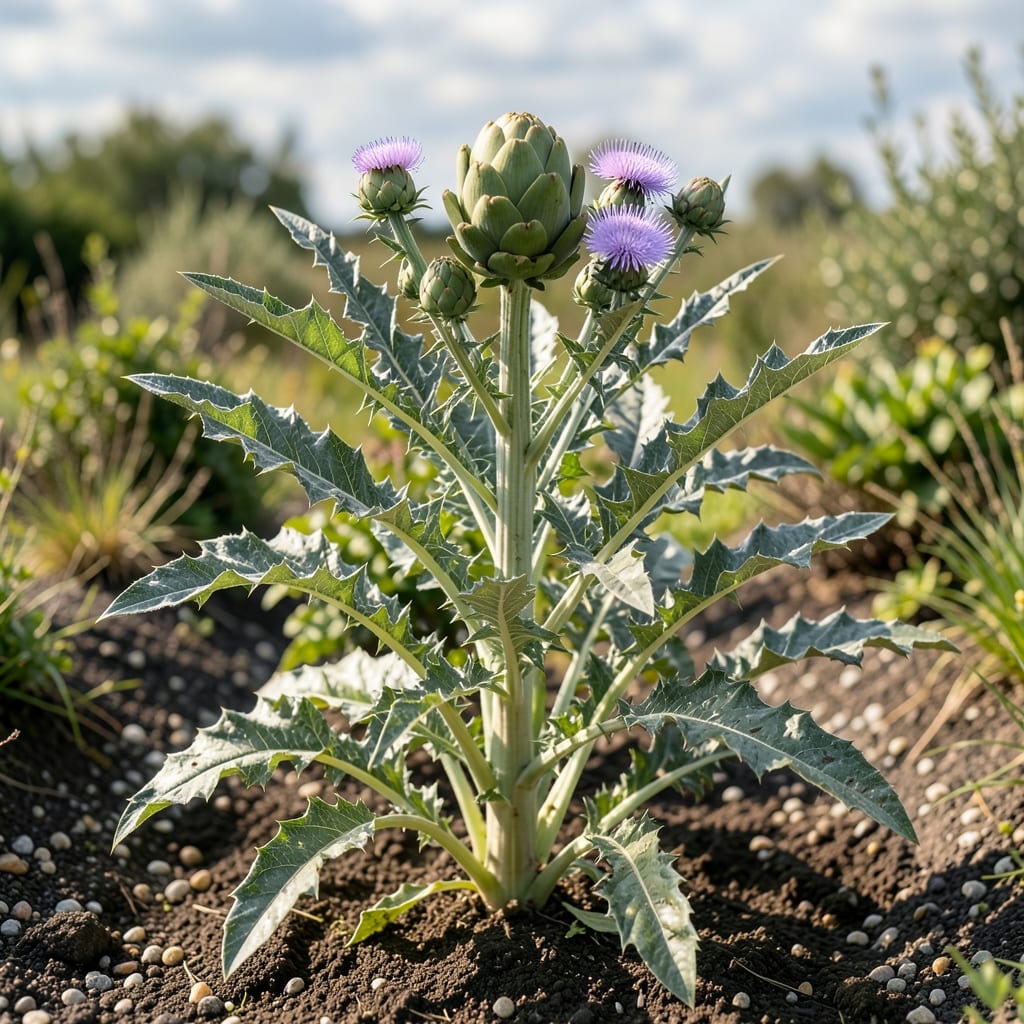
If you’ve ever wondered how tall an artichoke plant can grow, the answer might surprise you—these Mediterranean beauties can stretch up to 6 feet tall, rivaling small trees in your backyard! 🌱 But before you picture a wild, unruly giant, here’s the good news: with the right variety and care, you can easily manage their height while still enjoying a bountiful harvest.
The truth is, artichoke plants vary wildly in size depending on the type you choose. Some, like the classic Green Globe, stay more compact, while others, such as Romanesco varieties, can reach impressive heights. Understanding these differences—and how factors like pruning, soil, and climate play a role—is the key to growing artichokes that fit your space perfectly.
Whether you’re a beginner or a seasoned gardener, learning how to control their growth can mean the difference between a tangled mess and a thriving, productive plant. I’ll break down everything you need to know, from spacing tips to pruning techniques, so you can grow artichokes that work for your garden—no matter how much (or little) space you have.
Ready to turn your artichoke dreams into reality? Let’s dive into the heights, habits, and hacks that will help you grow the perfect plants for your outdoor space.


Artichoke plant height by variety: from dwarf to towering giants
Artichoke plants are architectural marvels in the garden, with some varieties reaching heights that rival small trees. The Green Globe artichoke, the most common variety in U.S. gardens, typically grows 4 to 6 feet tall with a 3 to 4-foot-wide spread. This bushy plant forms thorny stems and produces large, globe-shaped buds that become your edible harvest.
If you're working with limited space, consider the Romanesco artichoke, which matures at 3 to 5 feet tall and has a more upright growth habit. Its fractal-like buds are visually stunning and slightly smaller than Green Globe varieties, making them ideal for smaller gardens or containers with proper support.
The Violetto di Chioggia, an Italian heirloom, stands out with its purple-tinged buds and reaches 4 to 5 feet tall. This variety produces fewer but larger buds per plant, making it perfect for gardeners who prioritize quality over quantity.
For container gardening, the Imperial Star variety is a fantastic choice, growing 3 to 4 feet tall with thick, spiny stems. Its compact size makes it suitable for large pots (18+ inches wide), though it still benefits from sturdy trellising to support its weight.
When planning your artichoke garden, remember that height isn't the only consideration. The Green Globe variety, for example, can spread 4 feet wide, so give it ample space to prevent overcrowding. For container gardening, choose varieties like Romanesco or Imperial Star, but ensure your pots are at least 18 inches deep to accommodate their root systems.
Artichokes thrive in USDA zones 7–10, where they can grow to their full height. In cooler climates (zones 6 or below), expect shorter plants (3–4 feet) due to limited growing seasons. If you're in a short-season area, opt for early-maturing varieties like Romanesco to maximize your harvest.
Pro tip: If you're growing artichokes in containers, use a support trellis to guide their growth upward. This not only saves space but also makes harvesting easier. For in-ground planting, space Green Globe varieties 3 feet apart in all directions to allow for their sprawling growth habit.
For gardeners in small spaces, consider growing artichokes as year-round perennials in mild climates. With proper winter mulching, they can regrow to their previous year's height or even taller, provided they're given consistent care. Just be prepared for slower growth in the first year—most varieties reach only 2–3 feet tall before establishing their root systems.
If you're curious about unusual artichoke varieties, explore heirloom types like Blanca de Tudela or Spinoso Sardo. These can reach 5–6 feet tall and offer unique flavors, but they often require more specialized care and longer growing seasons to thrive.
🌱
How pruning affects artichoke plant height & yield
Pruning is one of the most effective ways to control artichoke plant height while boosting your harvest. When done correctly, it encourages bushier growth, larger buds, and even taller stems in some varieties. The key is timing—prune at the right stages to avoid stunting your plant or reducing yield. For most varieties, Green Globe included, I focus on removing side shoots and unwanted buds to direct energy toward the main harvest.
Start pruning when your plants are 12–18 inches tall and have developed 3–5 true leaves. This is when they begin producing side shoots, which can compete with your main buds. Use clean, sharp pruners to make cuts just above a leaf node or bud. Removing these early shoots prevents them from stealing nutrients, allowing your plant to channel energy into larger, higher-quality artichokes.
Here’s how pruning impacts height and yield:
- Step 1: Remove side shoots – Cut back any shoots growing from the base to encourage a taller, stronger main stem. This is especially important for Green Globe varieties, which can become woody and sprawling without pruning.
- Step 2: Thin flower buds – Leave only 3–5 of the largest buds per plant. Smaller buds won’t mature properly and can reduce overall yield by draining resources.
- Step 3: Prune after harvest – Once you’ve harvested your main buds, trim back spent stems by 1/3 to stimulate new growth. This can lead to a second flush of buds later in the season.
- Step 4: Support tall varieties – For Romanesco or Violetto plants reaching 5+ feet, install a trellis or stake early. Prune to encourage upward growth and prevent stem breakage from wind or heavy buds.
Aggressive pruning can reduce plant height if overdone, but it also increases yield per bud. For example, a Green Globe plant left unpruned might produce 20 small buds, while a pruned plant could yield 5 large, premium-quality artichokes. The trade-off? You’ll sacrifice some total bud count for bigger, better-tasting harvests.
Timing is everything. Prune in the early morning to avoid stressing the plant, and always use sterilized tools to prevent disease. If you’re growing artichokes in containers, pruning is even more critical—it prevents roots from becoming root-bound and ensures your plant stays compact and manageable.
For perennial artichokes in mild climates, prune back dead or damaged foliage in late winter to encourage new spring growth. This practice can help your plants regain their full height the following season, provided they’ve been well-mulched and fertilized.
🌿