
Trees
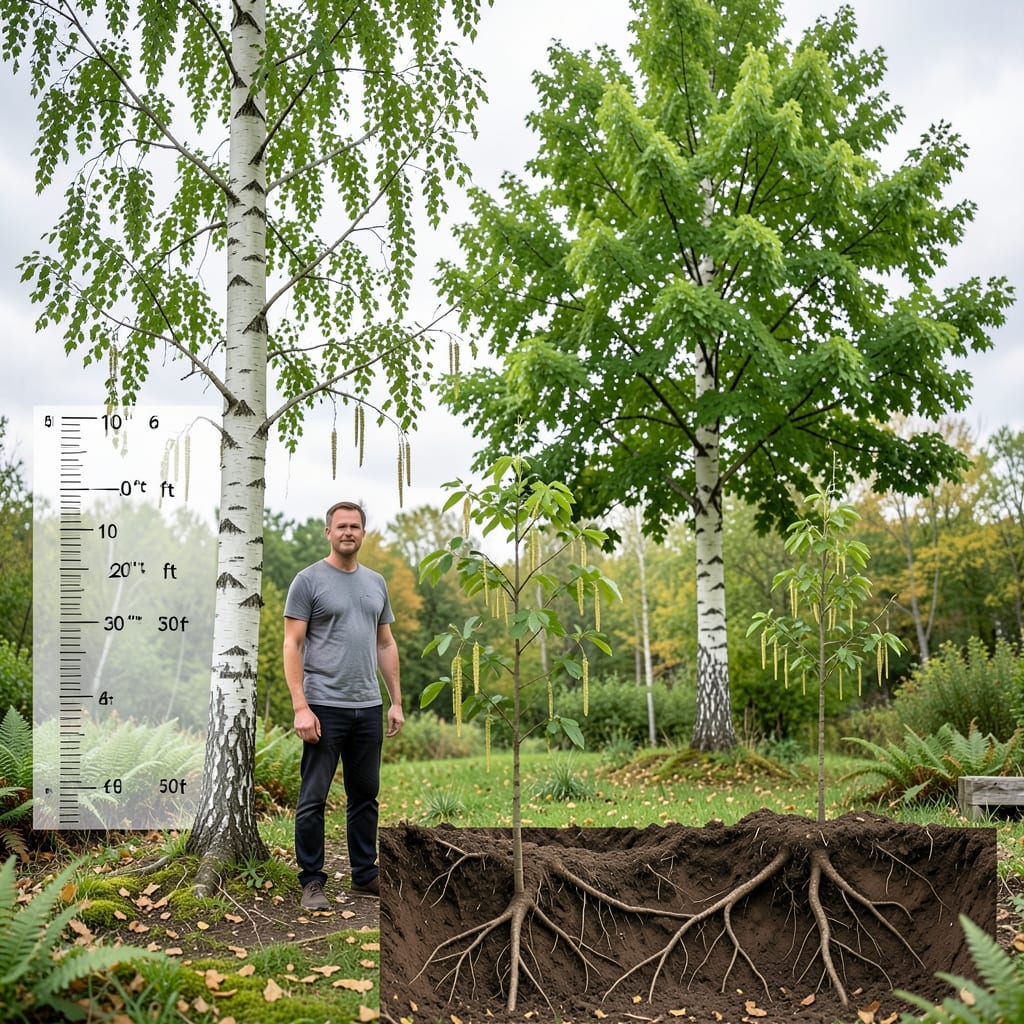
If you’ve ever wondered just how tall those elegant 🌳 birch trees can grow, the answer might surprise you—some varieties stretch taller than a four-story building! Whether you're dreaming of a towering Paper Birch or a sturdy Yellow Birch for your landscape, understanding their mature heights is key to planning your outdoor space.
Birch trees aren’t just pretty faces—they’re fast growers too, with some species shooting up 3 feet per year in ideal conditions. But not all birches reach the same dizzying heights: Paper Birch can soar to 70 feet, while River Birch typically tops out around 40 feet. The difference? It all comes down to species, climate, and a little care.
If you’re curious about how to encourage (or control) their growth, you’re in the right place. From pruning tips to soil secrets, I’ll break down everything you need to know to help your birch tree reach its full potential—or keep it at a manageable height for your yard.
Ready to transform your landscape with these graceful giants? Let’s dive into the heights, growth rates, and care tricks that’ll make your birch tree the star of the show.


Birch tree height by species: the tallest varieties explained
Birch trees are nature’s skyscrapers, with some species reaching heights that’ll make your head spin—literally! The Paper Birch (Betula papyrifera) often tops the charts at 50–70 feet, while the Yellow Birch (Betula alleghaniensis) typically grows between 60–75 feet in ideal conditions. But don’t let those numbers intimidate you: smaller varieties like Dwarf Birch (Betula pumila) stay a modest 10–15 feet tall, perfect for smaller yards.
If you’re planning a landscape, knowing these heights helps you avoid future headaches—like power lines or roof collisions! The River Birch (Betula nigra), for example, usually maxes out at 40–50 feet, making it a great mid-sized option. Meanwhile, the Gray Birch (Betula populifolia) is a compact 20–30 feet, ideal for urban gardens where space is tight.
Here’s the kicker: birch trees grow fastest in their first 10–15 years, with some species like Paper Birch adding 3 feet per year in perfect conditions. But their final height depends on soil quality, sunlight exposure, and even local climate. For instance, birches in USDA Zone 5 might stay shorter than those in Zone 6 or higher due to longer growing seasons.
Now, let’s break it down by species so you can pick the perfect birch for your space—whether you’re dreaming of a towering forest giant or a charming small-tree accent.
Notice how the Yellow Birch and Paper Birch are the tallest? That’s because they thrive in cool, moist climates with rich, well-draining soil. If you’re in a drier region, like the Southwest, opt for River Birch, which tolerates wet soils and still hits impressive heights. Meanwhile, the Dwarf Birch is your go-to for rock gardens or container planting—it’s slow-growing but adds texture without overwhelming your space.
One more thing: birch trees in full sun grow taller and straighter than those in partial shade. If you’re planting near a fence or building, give your birch at least 15–20 feet of clearance to avoid future pruning nightmares. And if you’re in a windy area, stake young trees to prevent them from toppling before they’re established.
Ready to pick your perfect birch? Just remember: the taller the tree, the more space and care it’ll need. But with the right species and conditions, you could have a 70-foot skyscraper growing right in your backyard!
🌳
How fast do Birch trees grow? Growth rates by age and species
Birch trees are some of the fastest-growing trees in nature, with certain species shooting up 3 feet per year under ideal conditions. But not all birches grow at the same pace—some varieties like River Birch can reach 40 feet in just 10 years, while others like Gray Birch grow more slowly, topping out around 20 feet in 20 years.
The key to rapid growth lies in their first decade. In their first year, saplings typically grow 1-2 feet, while by year three, they can reach 6-10 feet with proper care. After that, growth slows as they mature, but they still add 1-2 feet annually until they reach their full height.
🌱 Climate plays a huge role—birches thrive in cool temperate zones (USDA 3-7), where they grow fastest. In warmer regions, their growth rate may slow, and they might never reach their full potential height.
📌 Birch Tree Growth Rates by Species
- 🌳 Paper Birch: 2-3 ft/year (reaches 70 ft in 20-30 years)
- 🌳 Yellow Birch: 1.5-2.5 ft/year (reaches 60-70 ft in 25-30 years)
- 🌳 River Birch: 3-4 ft/year (reaches 40-50 ft in 10-15 years)
- 🌳 Gray Birch: 1-1.5 ft/year (reaches 20-30 ft in 20 years)
- 🌳 Dwarf Birch (e.g., Betula pendula 'Fastigiata'): 6-12 inches/year (reaches 15-25 ft in 20+ years)
To maximize growth, plant your birch in well-draining, slightly acidic soil (pH 4.5-6.0) with full sun to partial shade. Mulching and deep watering weekly during the first few years will give them the boost they need to reach their full height faster.
💡 Pro Tip: If you’re planting birches for privacy or shade, choose River Birch for quick results—it’s one of the fastest-growing varieties and reaches maturity in half the time of other species.
Once established, birches become more drought-tolerant, but their growth rate may slow if water becomes scarce. In ideal conditions, a Paper Birch can go from a sapling to a towering 70-foot giant in just 20-30 years—making them one of the most rewarding trees for patient gardeners.