
Succulent
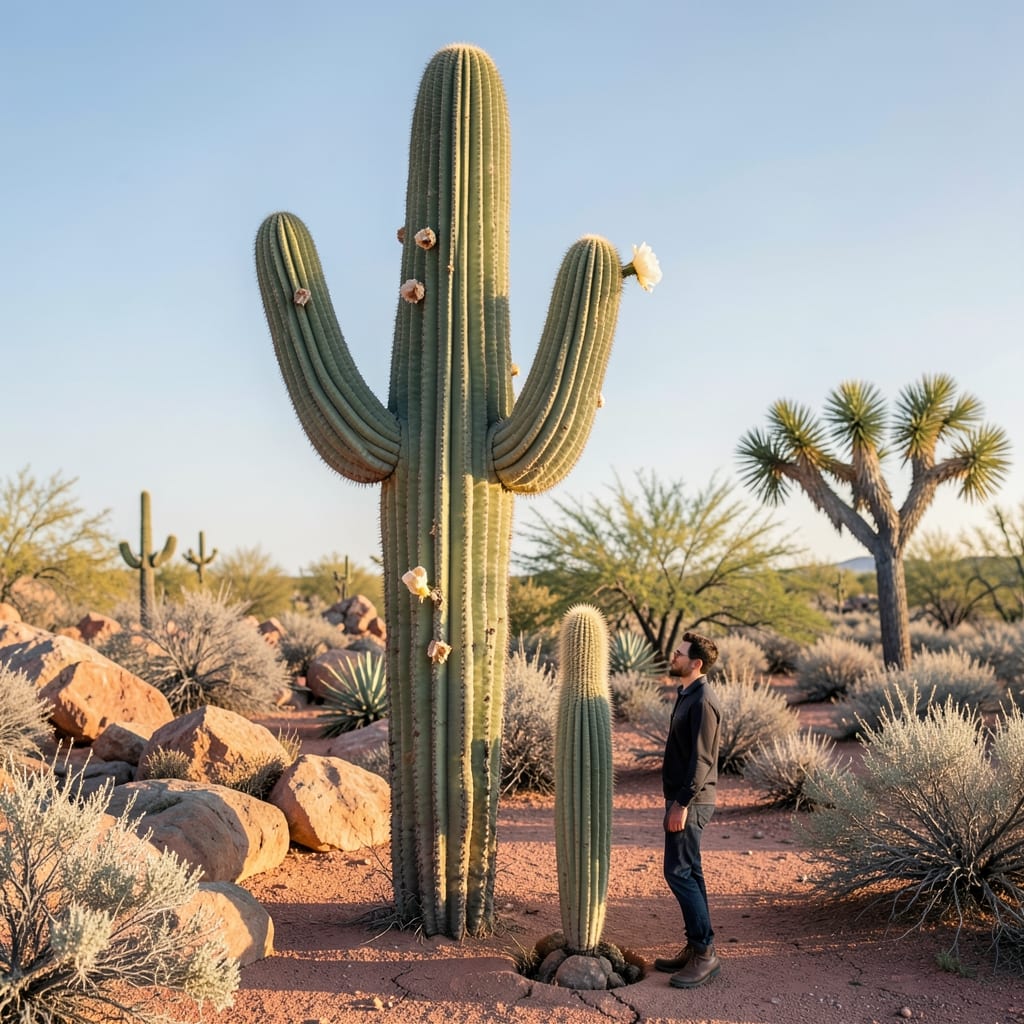
If you’ve ever wondered how tall a cactus can grow, the answer might surprise you. Some cactus species grow so tall they rival towering trees, reaching heights of 60 feet or more in their natural habitats.
But how tall can cactus grow? The answer depends entirely on the species—while some stay compact and manageable, others like the Cardón or Saguaro become desert giants. Whether you’re dreaming of a backyard jungle or just curious about the possibilities, understanding these differences is the first step.
In this guide, we’ll break down the tallest cactus species, the factors that influence their growth, and whether you can grow a 60-foot cactus in your own backyard. Spoiler: It’s possible, but not without some creative planning!
From soil conditions to sunlight exposure, we’ll cover everything you need to know to nurture a cactus that grows tall—or stay small, depending on your preferences. Let’s dive in!


The tallest cactus species: heights that defy expectations
When most people think of cacti, they picture small, manageable plants perfect for windowsills or desert rock gardens. But the truth is far more surprising: some cactus species grow taller than a three-story building, reaching heights of 60 feet or more in their natural habitats. These desert giants aren’t just impressive—they’re architectural wonders of the plant world.
If you’ve ever dreamed of growing a cactus that dwarfs your house, you’re in luck. Species like the Cardón (Pachycereus pringlei) and Saguaro (Carnegiea gigantea) aren’t just tall—they’re symbols of endurance, thriving in some of the harshest environments on Earth. But how do they grow so tall, and which species should you consider if you’re chasing that towering look?
The key lies in their natural growth habits. Most tall cacti are columnar species, meaning they grow upright like trees rather than spreading outward. These giants store water in their thick, ribbed stems, allowing them to survive years without rain while slowly reaching for the sky. Some even develop arm-like branches as they mature, adding to their dramatic presence.
The Cardón cactus holds the record as the tallest cactus species, with some individuals reaching heights of 60 feet or more. These giants grow in the Sonoran Desert, where they’ve been known to live for centuries. Their slow, steady growth—often just 1-2 feet per year—means they take decades to reach their full height, but the result is a stunning, tree-like structure.
If you’re looking for a slightly more manageable (but still impressive) option, the Saguaro cactus is a close second. Native to the Southwestern United States, Saguaros can grow up to 50 feet tall and weigh several tons. They’re a protected species in Arizona, so if you’re in the wild, admire them from afar—but you can grow them in your garden with the right care!
For those with limited space, smaller columnar cacti like the Organ Pipe (Stenocereus thurberi) offer a compromise. These can reach 15-20 feet tall, making them perfect for larger containers or desert landscapes. Their fast growth rate means you’ll see noticeable height gains in just a few years.
But what if you’re not interested in towering cacti? Many smaller species stay under 3 feet tall, like the popular Mammillaria or Echeveria varieties. These are ideal for windowsills, terrariums, or small gardens where space is limited. The key is choosing a species that matches your space and growth goals.
Whether you’re dreaming of a backyard jungle or just curious about the possibilities, understanding these height differences is the first step. Next, we’ll explore the factors that influence cactus growth height, from soil conditions to sunlight exposure, so you can nurture a cactus that grows tall—or stays small—exactly as you envision.
Factors that influence cactus growth height: soil, climate, and care
When asking how tall can cactus grow, remember that genetics set the upper limit—but environmental factors determine whether your cactus hits its potential. The right combination of soil composition, climate conditions, and care practices can transform a compact cactus into a towering giant or keep it small and manageable.
First, let’s talk soil drainage. Cacti thrive in well-draining soil that mimics their desert origins. Poor drainage leads to root rot, stunting growth entirely. Mix cactus-specific soil with perlite or pumice to create air pockets—this ensures roots get oxygen while water drains quickly.
Sunlight exposure is another game-changer. Most tall cacti need 6+ hours of direct sun daily, but some species (like Echinocactus) tolerate partial shade. Without enough light, cacti stretch unnaturally—a condition called etiolation—resulting in weak, spindly growth instead of sturdy height.
Key Factors Affecting Cactus Height
- 🌡️ Climate: Arid regions with low humidity and hot days/cold nights encourage rapid vertical growth (e.g., Sonoran Desert for Saguaro).
- 💧 Watering: Overwatering = stunted growth; underwatering = slow growth. Aim for deep, infrequent watering (every 2–4 weeks).
- 🪴 Container Size: Root-bound cacti grow taller faster. Use pots 1–2 inches larger than the plant’s width for optimal height.
- 🌱 Fertilizer: Low-nitrogen fertilizer (e.g., 5-10-10) promotes steady growth without excessive leafy pads.
- 🌡️ Temperature: Most cacti need warm days (70–100°F) and cool nights (50–60°F) to grow vertically.
Don’t overlook temperature fluctuations. Many tall cacti (like Pachycereus) require cold winters to trigger growth spurts in spring. If you live in a tropical climate, your cactus may grow wider instead of taller due to lack of seasonal dormancy.
For container-grown cacti, pruning can redirect energy upward. Remove the top third of a cactus (with sterilized tools!) to encourage branching and height. Just be cautious—some species (like Carnegiea) take years to recover from pruning.
Finally, patience is key. Even the fastest-growing cacti (like Opuntia) add only 1–2 feet per year. A 60-foot Cardón could take 150+ years to reach maturity in ideal conditions. Focus on creating the right environment, and your cactus will grow tall naturally.