
How To
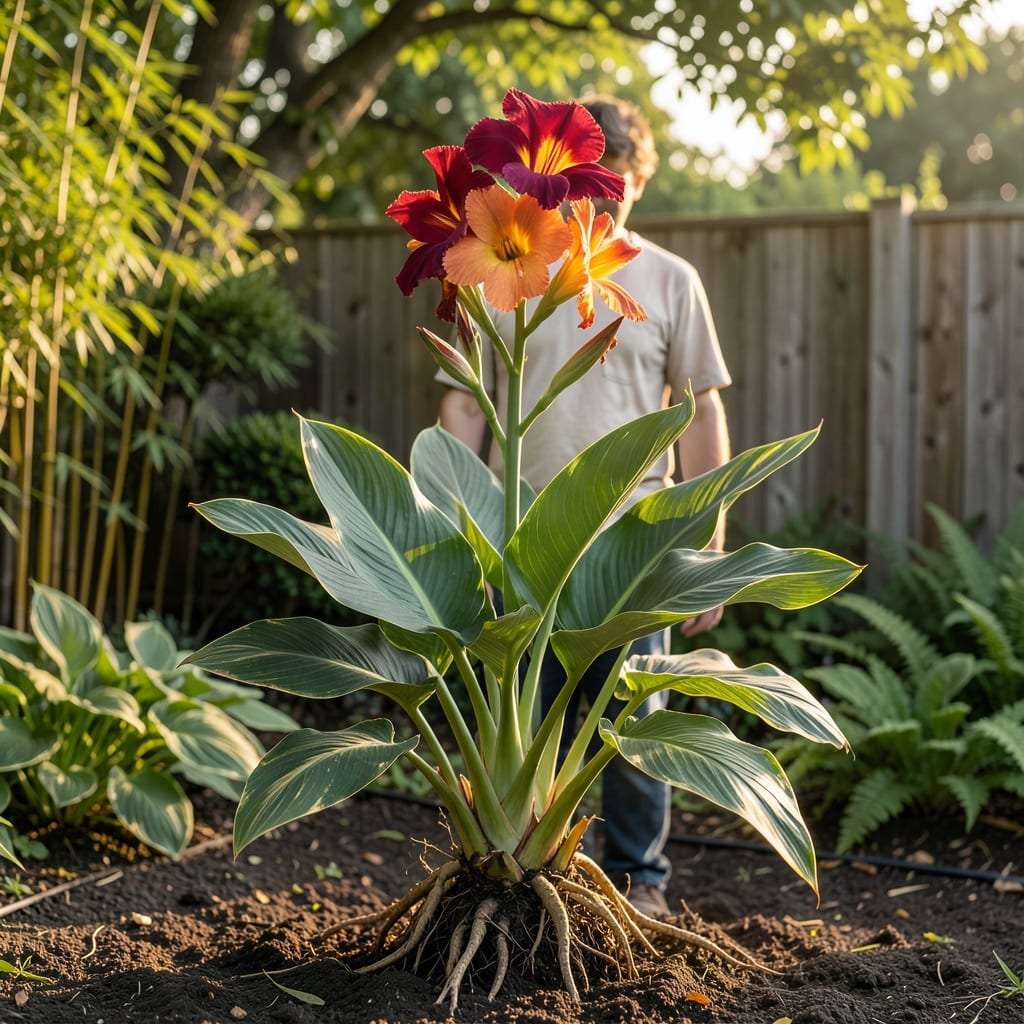
If you’ve ever wondered how tall cannas grow, the answer might just redefine your garden’s skyline—these tropical showstoppers can stretch from 2 feet to a breathtaking 7 feet, depending on the variety and care you provide. Picture this: 🌺 Canna lilies standing taller than you, their bold foliage and vibrant blooms drawing every eye in your landscape.
But here’s the catch: not all cannas reach for the sky. Dwarf varieties stay compact, perfect for containers or borders, while giant cultivars can dwarf even the most ambitious gardeners. The difference often comes down to sunlight, soil richness, and a little extra TLC during their growing season.
In this guide, I’ll break down exactly what to expect from your Canna plants—whether you’re growing them in USDA Zone 6a or further south—and share the secrets to encouraging that dramatic height. From planting in April-May to supporting towering stems, you’ll learn how to turn your garden into a vertical masterpiece.
Ready to watch your cannas grow taller than ever? Let’s dive into the varieties, care tips, and tricks that’ll have your plants reaching new heights—literally.


Canna lily height by variety: from compact to sky-high giants
Cannas are nature’s vertical artists, capable of stretching from compact clumps to towering giants depending on their variety. If you’re dreaming of a dramatic garden focal point, you’ll find options ranging from dwarf varieties that stay under 3 feet to standard types that reach 7 feet or taller. The key to unlocking their full potential lies in selecting the right cultivar and providing optimal growing conditions.
Not all cannas are created equal—some varieties grow aggressively tall with minimal effort, while others remain manageable in containers. Understanding these differences helps you choose plants that fit your space and design goals. For example, Canna 'Australia' stays compact at 2–3 feet, making it perfect for borders, while Canna 'Tropicana' can soar to 6–7 feet, demanding sturdy support and ample room to thrive.
Here’s how canna heights break down by category, along with real-world examples to help you visualize their mature sizes:
If you’re growing cannas in containers, dwarf or semi-dwarf varieties are your best bet. A 15-gallon pot can comfortably hold a 3-foot canna, while larger containers (20+ gallons) may accommodate 5-foot varieties with proper support. For in-ground planting, give taller cannas 18–24 inches of spacing to prevent overcrowding and ensure they reach their full height potential.
One common misconception is that all cannas grow equally tall. In reality, genetics play a huge role. For instance, Canna 'Durban' stays under 4 feet, while Canna 'Wyoming' can exceed 6 feet under ideal conditions. Even within the same variety, first-year plants typically grow 2–3 feet shorter than mature specimens. Patience is key—give your cannas at least two growing seasons to reach their maximum height.
For gardeners in warmer climates (Zones 8–11), cannas can grow year-round with consistent care, often reaching their peak height by mid-summer. In cooler regions (Zones 6–7), they may dormant in winter but bounce back aggressively in spring, sometimes doubling in height from the previous year. This resilience makes cannas a favorite for seasonal color and vertical interest in mixed borders.
Pro tip: If you’re aiming for extra-tall cannas, choose varieties with longer leaf stems (like Canna 'Cleopatra') and provide fertile, well-draining soil. Avoid over-pruning the foliage, as healthy leaves fuel vertical growth. With the right variety and care, your cannas could soon be competing with small trees in your garden! 🌺
How to maximize Canna growth: sunlight, soil, and care secrets
Want your cannas to reach their maximum height potential? The secret lies in mimicking their natural tropical environment. These plants thrive with intense sunlight, rich soil, and consistent moisture. In my garden, I’ve seen cannas grow 2–3 feet taller in just one season when given these key conditions. Let’s break down how to create the perfect growing environment for sky-high cannas.
First, sunlight is non-negotiable. Cannas demand 6+ hours of direct sun daily, ideally in a south-facing location. In my USDA Zone 6a garden, I plant them where they get morning sun and afternoon shade to prevent leaf scorch. Without enough light, your cannas will stay short and leggy, with sparse blooms. Think of sunlight as their growth fuel—the more they get, the taller and fuller they’ll become.
Here are the top 5 care secrets to encourage dramatic height growth in your cannas:
- 1 Fertilize aggressively during peak growth (May–August) with a balanced 10-10-10 fertilizer. I apply 1 tablespoon per plant every 4–6 weeks, focusing on the root zone to avoid leaf burn. Phosphorus-rich fertilizers (like 10-20-10) can boost stem elongation in taller varieties.
- 2 Water deeply but consistently. Cannas hate dry soil—let the top 2 inches dry out between waterings, then soak thoroughly. In summer, I water mine daily in the morning to prevent stress. Mulch with 3–4 inches of organic matter to retain moisture and protect roots from temperature swings.
- 3 Avoid over-pruning. While deadheading spent blooms encourages more flowers, never trim more than 1/3 of the foliage. Healthy leaves photosynthesize and fuel vertical growth. I only remove yellow or damaged leaves to keep energy flowing upward.
- 4 Support tall varieties with sturdy stakes or cages. For cannas over 5 feet, I use bamboo stakes tied with soft plant ties to prevent flopping. This also protects stems during wind or rain. Pro tip: Bury stakes 6 inches deep for stability.
- 5 Divide rhizomes every 2–3 years to rejuvenate growth. Overcrowded clumps produce shorter, weaker stems. In early spring, I dig up my cannas, separate the firm, eye-bearing rhizomes, and replant them 12–18 inches apart. This resets their growth cycle and often leads to taller, more vigorous plants.
One mistake I see often is underestimating soil quality. Cannas thrive in loamy, well-draining soil with a pH of 6.0–7.0. Amend heavy clay or sandy soil with compost and peat moss to improve fertility and moisture retention. I also add a slow-release fertilizer at planting time to give my cannas a nutrient head start. For container-grown cannas, use a lightweight potting mix with added perlite to prevent compaction.
For gardeners in cooler climates, don’t dig up your cannas after the first frost—leave them in the ground (or in containers) for winter. The rhizomes survive and often sprout earlier the next spring, giving you a longer growing season to reach maximum height. In my experience, well-established cannas can grow 30–50% taller in their second year compared to their first.
Ready to watch your cannas reach new heights? Start with the right variety, give them full sun and rich soil, and follow these care tips. With a little extra attention, your garden could soon be graced by 7-foot tropical giants that steal the show every season! 🌿