
Trees
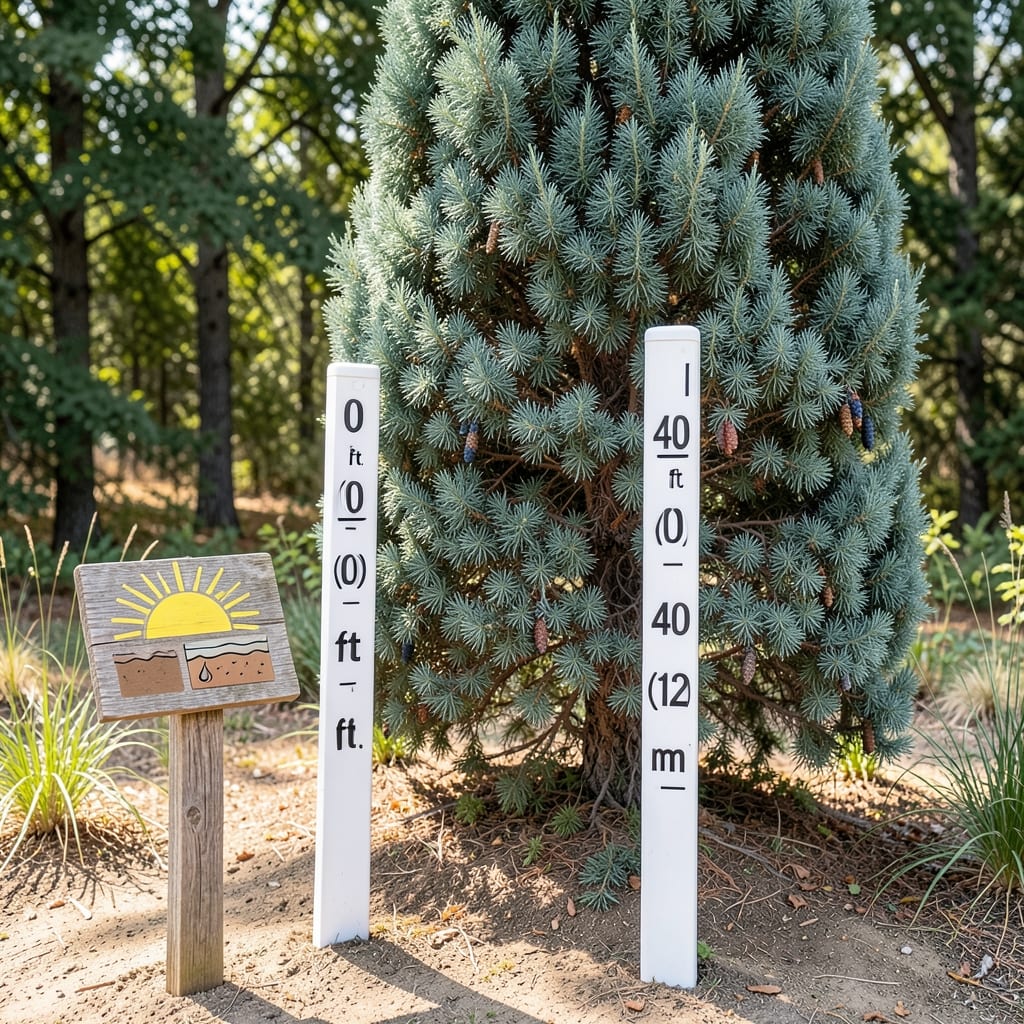
If you're dreaming of a towering 🌲 Cedar Tree as your backyard centerpiece, you might be surprised by just how tall these evergreens can grow—some reaching heights that dwarf even the tallest two-story homes. The answer to "how tall can cedar trees grow" depends entirely on the species, with varieties ranging from modest shrubs to forest giants that stretch toward the sky.
From the 30-40 feet of an Eastern Red Cedar to the 60-100 feet of an Atlas Cedar, these trees don't just add beauty—they create a statement. But their growth isn't just about height; it's also about patience, as some species take decades to reach their full majestic stature. Whether you're planning a small garden or a sprawling landscape, understanding these growth patterns is key to making the right choice.
What if you love cedars but don't have the space for a 70-foot giant? Don't worry—there are dwarf varieties and pruning techniques that can help you enjoy these trees at a more manageable scale. I'll walk you through the fastest-growing species, the slowest, and the best ways to control their height without sacrificing their charm.
Ready to discover which cedar fits your space and vision? Let's break down the numbers, growth rates, and expert tips so you can plant with confidence—and watch your backyard transform into a cedar-filled paradise.


Cedar tree height by species: from dwarf varieties to towering giants
Cedar trees are nature's skyscrapers—some reaching heights that put even the tallest backyard trees to shame. The Eastern Red Cedar, for example, typically grows between 30-40 feet, while the Atlas Cedar can soar up to 100 feet in ideal conditions. But how do these numbers translate to your space? Let's explore the height ranges of the most popular cedar species so you can choose the perfect fit for your landscape.
Not all cedars are created equal. Some stay compact, making them ideal for small yards, while others become towering giants that require careful planning. Understanding these differences is key to avoiding surprises as your tree matures. I'll break down the height ranges, growth habits, and even the best species for small spaces so you can plant with confidence.
🌲 Did You Know?
Here’s a quick look at some of the most popular cedar species and their mature heights:
If you're working with limited space, dwarf cedar varieties like 'Blue Rug' or 'Kaizuka' are perfect choices, topping out at just 1-3 feet while still offering the fragrant foliage and evergreen beauty of their larger cousins. These are ideal for rock gardens, container planting, or as accent plants in small yards.
For those with more room, the Atlas Cedar and Leyland Cedar are fantastic for creating a dramatic focal point. Their towering heights make them stand out in any landscape, but they do require ample space to thrive. If you're unsure about committing to a large tree, consider planting a smaller variety first to see how it fits into your design before investing in a giant.
One thing to keep in mind is that cedar trees are long-lived, often reaching their full height over 20-40 years. This means your choice today will shape your landscape for decades. Whether you're drawn to the compact elegance of a dwarf cedar or the majestic stature of an Atlas Cedar, planning ahead ensures your tree will complement your space beautifully.
🌳
How fast do cedar trees grow? Growth rates and mature timeline
Cedar trees are known for their steady, slow-and-steady-wins-the-race growth habits, but their annual growth rates can vary dramatically depending on the species and growing conditions. On average, most cedars add 12 to 24 inches per year, though some fast-growing varieties can stretch 36 inches annually under ideal circumstances. This means a 30-foot Eastern Red Cedar could take 15 to 25 years to reach maturity, while a 100-foot Atlas Cedar might need 50 years or more to fully develop.
If you're impatient like me, you might be wondering how to speed things up. The truth is, soil quality, sunlight exposure, and climate play huge roles. Cedar trees thrive in well-draining, slightly acidic soil with full sun, but even with perfect conditions, their growth remains deliberate. For instance, a Western Red Cedar in a Pacific Northwest climate with high humidity might grow faster than one planted in a dry, arid region.
Let’s talk about the fastest-growing cedar species first. The Eastern Red Cedar often leads the pack with 18 to 24 inches per year, making it a great choice if you want quicker results. Meanwhile, the Deodar Cedar and Atlas Cedar grow more slowly, averaging 6 to 12 inches annually. These differences mean your timeline for a fully mature cedar tree can shift dramatically—some varieties will take decades to reach their towering potential.
Now, let’s address the biggest misconception about cedar growth: pruning doesn’t speed up height growth. In fact, over-pruning can stunt growth entirely and leave your tree vulnerable to disease. Instead, focus on strategic pruning to shape the tree and remove dead branches—never more than 25% of the canopy at once. If you’re aiming for a shorter, bushier cedar, prune the topmost branches to encourage lateral growth, but be patient—cedars respond slowly to changes.
Climate also plays a critical role in growth rates. Cedar trees in cooler, wetter climates like the Pacific Northwest tend to grow faster due to consistent moisture and mild temperatures. In contrast, those in hot, dry regions may struggle unless you provide extra irrigation and mulch to retain soil moisture. Even with ideal conditions, cedars prioritize root development over rapid height growth, which is why they’re so drought-resistant once established.
So, if you’re planning to plant a cedar, set realistic expectations. A 30-foot tree won’t sprout overnight, but with the right species and care, you’ll enjoy its fragrant foliage and wildlife benefits for decades to come. For the fastest results, opt for an Eastern Red Cedar—but if you’re in it for the long haul, an Atlas Cedar will reward you with a stunning, centuries-old monument in your landscape.