
Trees
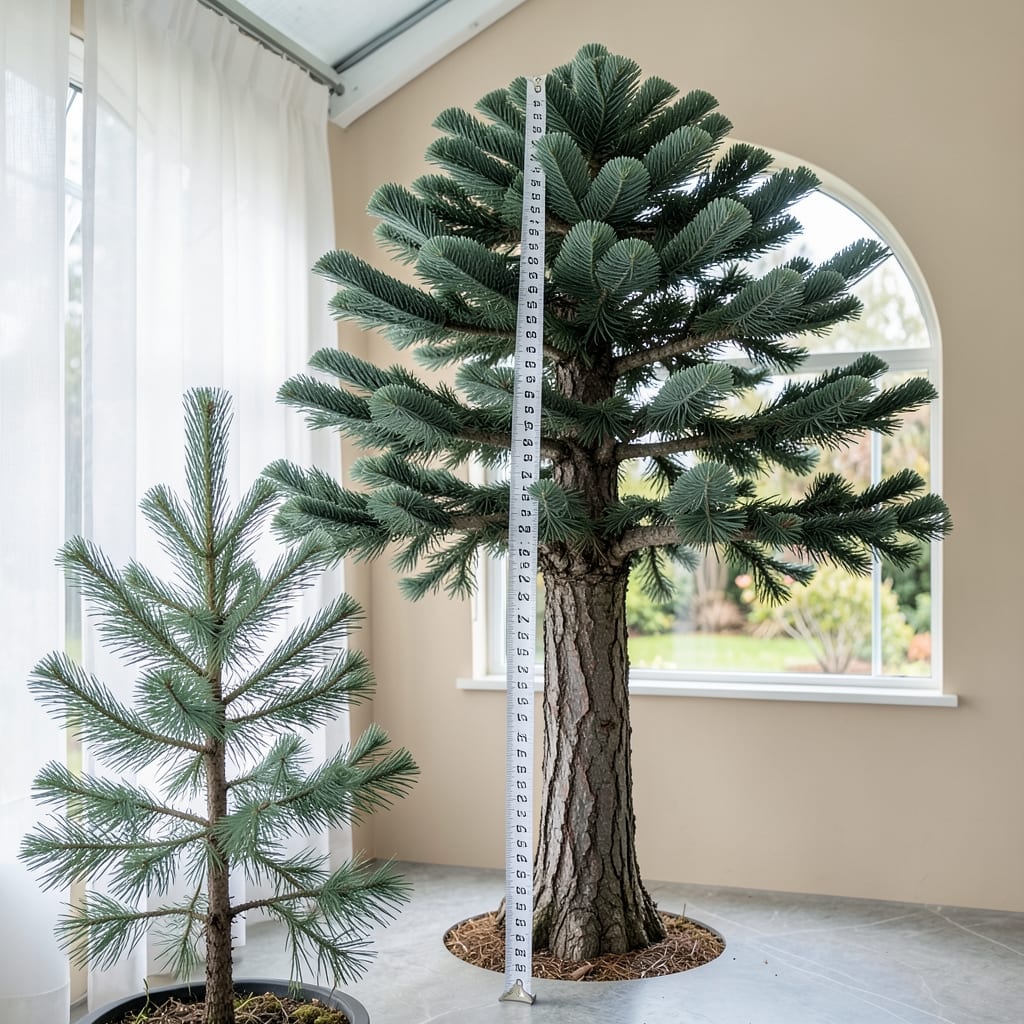
If you’ve ever wondered how tall Christmas trees can grow, the answer might surprise you. Some varieties naturally reach over 100 feet, turning your backyard into a holiday wonderland with just a little patience and the right care.
But here’s the catch: not all Christmas trees grow to these towering heights. The species you choose, your climate, and even your soil can make the difference between a modest 10-foot tree and a forest giant. I’ll break down which varieties grow fastest and how to nurture them for maximum height—without waiting decades.
Whether you’re planning a backyard showstopper or just curious about the limits of these evergreens, you’ll discover the secrets behind their growth. From dwarf options that fit cozy spaces to standard varieties that stretch toward the sky, there’s a perfect fit for every dream.
Let’s explore how tall your Christmas tree could grow—and how to make it happen faster than you’d expect.


Natural height records: which Christmas trees grow over 100 feet?
When I first learned that some Christmas trees can grow over 100 feet tall, I couldn’t believe it! These towering evergreens aren’t just for holiday displays—they’re natural giants that dominate forests worldwide. The Douglas fir and coastal redwood (yes, they’re technically evergreens!) hold the records, but even common species like the Norway spruce can reach staggering heights with the right conditions.
What’s even more surprising is how fast these trees grow. A Douglas fir can add 3 feet per year under ideal conditions, while coastal redwoods grow even faster in their native foggy climates. If you’ve ever dreamed of a backyard tree that rivals skyscrapers, the right species and care can make it happen.
The key to unlocking their full potential lies in their native habitats. For example, coastal redwoods thrive in California’s foggy, mild winters, while Norway spruces prefer cooler climates with acidic soil. Understanding these preferences helps you replicate their growth conditions at home.
Here’s the exciting part: even in home gardens, you can encourage rapid growth with the right techniques. Proper soil, sunlight, and pruning can push a standard Christmas tree toward its maximum height—whether that’s 60 feet for a Douglas fir or 80 feet for a redwood.
But before you start measuring your backyard for a skyscraper, let’s look at the tallest species and how they compare. Some might surprise you!
Tallest Christmas Tree Species & Their Mature Heights
| Species | Mature Height | Growth Rate | Native Habitat |
|---|---|---|---|
| Coastal Redwood | 200+ feet | 3-5 ft/year | California coast |
| Douglas Fir | 100-200 feet | 2-4 ft/year | Pacific Northwest |
| Norway Spruce | 60-100 feet | 1-2 ft/year | Europe, Northern U.S. |
| Scots Pine | 50-80 feet | 1-3 ft/year | Northern Hemisphere |
| Fraser Fir | 40-60 feet | 1-2 ft/year | Appalachian Mountains |
🌳 Note: Growth rates vary by climate and soil conditions.
The coastal redwood takes the crown as the tallest Christmas tree species, with some specimens reaching over 379 feet—taller than a 30-story building! While this may seem unrealistic for a home garden, understanding these giants helps you appreciate the potential of even smaller varieties.
For example, a Douglas fir in your backyard could still reach 100 feet with ideal care, making it a stunning focal point. Meanwhile, the Norway spruce is a more manageable option for homeowners, often topping out at 60-80 feet while still offering impressive height and classic holiday charm.
If you’re aiming for a fast-growing tree, the Scots pine is a great choice—it can add up to 3 feet per year in the right conditions. This makes it perfect for homeowners who want a tall tree without waiting decades. The trade-off? It may not hold its needles as long as firs or spruces.
One common misconception is that all Christmas trees grow at the same rate. In reality, dwarf varieties like the Blue Dwarf Alberta Spruce max out at just 3-6 feet, while standard varieties can stretch toward the sky. The difference comes down to genetics and cultivation practices.
So, which species should you choose if you want a tall Christmas tree? The answer depends on your climate, available space, and how quickly you want to see results. Let’s explore how to maximize height with the right care—because even the fastest-growing trees need the perfect conditions to reach their full potential.
How to grow a tall Christmas tree: soil, climate, and care tips
Want to grow a Christmas tree that stretches toward the sky? The key lies in soil quality, climate conditions, and consistent care. I’ve learned that even the fastest-growing species need the right foundation to reach their full height potential—think of it like building a skyscraper on solid bedrock.
Start with acidic, well-draining soil (pH 4.5–6.0). Most Christmas tree species, like Douglas fir and Fraser fir, thrive in slightly acidic soil. If your soil is alkaline, amend it with peat moss or pine needles to mimic their natural forest floor. A soil test can save you from guesswork—your local extension office can help with this.
Climate plays a huge role in height. Trees grow fastest in cool, humid climates with long growing seasons. If you’re in a hot, dry region, mulch heavily to retain moisture and consider drip irrigation to keep roots hydrated. I’ve seen Norway spruces grow 3 feet per year in ideal conditions—but in arid areas, growth slows dramatically.
Pruning is another game-changer. Never shear Christmas trees like hedges—this stunts their natural growth. Instead, remove only dead or crossing branches in late winter or early spring. This encourages upward growth and keeps the tree’s iconic shape. Pro tip: Use clean, sharp pruners to avoid damaging the bark.
Sunlight is non-negotiable. Most Christmas trees need 6+ hours of direct sun daily. If you’re growing in a shady spot, expect slower growth and weaker branches. In my own yard, I planted a Concolor fir in full sun, and within 5 years, it towered over my neighbors’ trees planted in partial shade.
Finally, patience is key. Even the fastest-growing species take 10–15 years to reach 20 feet. But with the right care, you’ll have a backyard giant that makes your holidays unforgettable—and your neighbors jealous.