
Flowers
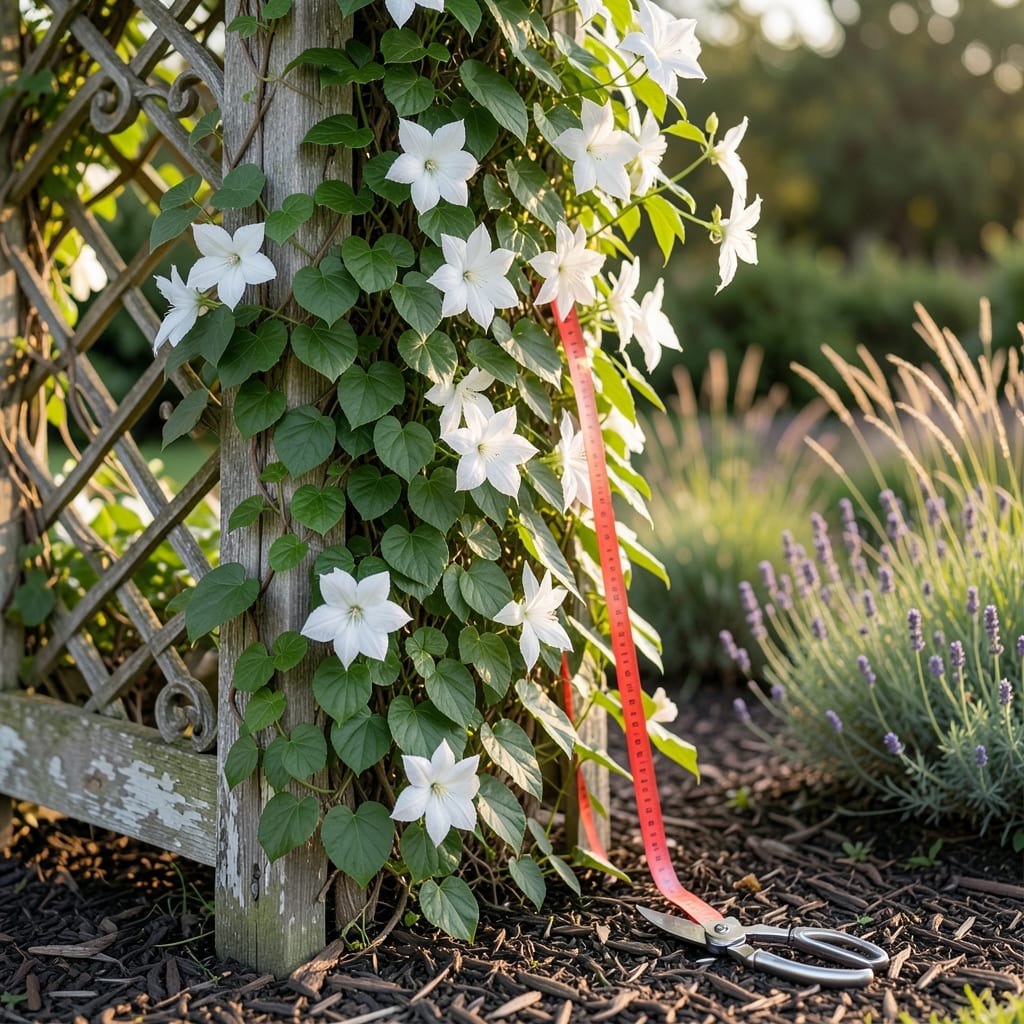
Clematis growth height by variety: from dwarf to 30-Foot giants
Clematis plants are famous for their dramatic vertical growth, but their mature heights can vary from compact 3-foot dwarf varieties to towering 30-foot giants that dwarf even two-story houses. The key to understanding their potential lies in their pruning groups and specific varieties. Whether you're dreaming of a clematis-covered arbors or a small patio trellis, choosing the right variety for your space is everything.
Most clematis fall into three pruning groups, each with distinct growth patterns. Group 1 varieties bloom on previous year's wood and need minimal pruning, often reaching their full height potential. Group 2 blooms on both old and new wood, while Group 3 relies entirely on new growth—meaning aggressive pruning can encourage even greater vertical expansion. Let's explore the height ranges you can expect from each category.
| Variety Group | Height Range | Examples | Pruning Group | Ideal Support |
|---|---|---|---|---|
| Dwarf | 3–6 ft | 'Jackmanii', 'Niobe' | 1 or 2 | Small trellis, patio container |
| Small | 6–10 ft | 'Perle d'Azur', 'The President' | 2 or 3 | Arbor, fence, or pergola |
| Medium | 10–15 ft | 'Comtesse de Bouchard', 'Vyvyan Pennell' | 2 or 3 | Tall trellis, wall, or strong pergola |
| Large | 15–25 ft | 'Jackii', 'Lasurstjärna' | 1 or 2 | House wall, large arbor, or sturdy fence |
| Giant | 25–30+ ft | 'Clematis montana', 'Clematis armandii' | 1 | Tree, large structure, or building facade |
Dwarf clematis varieties like 'Jackmanii' are perfect for small gardens or container growing, topping out at just 3–6 feet. These varieties thrive with minimal support and are ideal for adding color to patios or small trellises. Their compact size makes them low-maintenance and perfect for urban gardeners with limited space.
For medium-height clematis, think of varieties like 'Comtesse de Bouchard', which can reach 10–15 feet when given proper support. These are the workhorses of the clematis world, versatile enough for arbors, pergolas, or even climbing up a sturdy fence. Their large, showy blooms make them a favorite for garden centers and home gardens alike.
Large and giant clematis varieties are the stars of dramatic landscapes. 'Lasurstjärna', for example, can climb to 25 feet or more, making it perfect for covering a tall fence, climbing a tree, or even draping elegantly over a balcony railing. These varieties require strong, sturdy support and are best suited for larger gardens or spaces where vertical growth is desired.
One of the most exciting aspects of growing clematis is watching them expand year after year. In their first year, most varieties grow 3–5 feet, but with proper care, they can double or triple that height in subsequent years. For instance, a Group 3 clematis like 'Nelly Moser' might start at 4 feet in its first year but reach 12–15 feet by its third year if pruned correctly.
If you're growing clematis in containers or small spaces, dwarf varieties are your best bet. However, even larger varieties can be trained to stay smaller with regular pruning and careful support. For example, 'The President' typically grows to 10 feet but can be kept at 6 feet with annual pruning. This flexibility makes clematis one of the most adaptable plants for any garden size.
For those living in windy or coastal areas, taller clematis varieties may need extra support to prevent damage. A strong trellis or arbor can help anchor the plant and protect it from harsh weather. Additionally, choosing a Group 2 variety like 'Perle d'Azur' can provide both beauty and resilience, as they bloom on both old and new wood, offering multiple chances for flowers even if some growth is lost to wind.
Remember, the height of your clematis isn't just about the variety—it's also about pruning habits, sunlight exposure, and soil quality. A well-fed clematis in full sun will grow taller and more vigorously than one struggling in shade or poor soil. With the right care, even a 6-foot dwarf variety can surprise you with unexpected growth spurts!
So whether you're dreaming of a whimsical cottage garden or a modern vertical landscape, there's a clematis variety that will fit your vision. The key is to match the plant's growth potential with your garden's layout and your willingness to provide support and care.
How to choose the right clematis size for your space and climate
Selecting the right clematis height for your garden starts with understanding your space and climate. A 3-foot dwarf variety might thrive in a small balcony planter, while a 20-foot giant needs a sturdy trellis or arbor. Start by measuring your vertical space—whether it’s a fence, pergola, or wall—and choose a variety that fits without crowding other plants.
Climate plays a crucial role too. In cooler zones (USDA 4-6), clematis can grow taller due to longer growing seasons, while hot, dry climates may stunt growth unless you provide extra water and shade. For example, the 'Jackmanii' variety (10-15 feet) loves cool summers, while 'Niobe' (6-10 feet) handles heat better.
🌱
Choose dwarf varieties (3-6 ft) like 'Ernest Markham' or 'Jackmanii Compact'. Use container trellises or small obelisks to save space.
Opt for semi-dwarf to medium (6-12 ft) like 'Montana' or 'The President'. Pair with chain-link fences or wooden trellises for support.
Giant varieties (12-20+ ft) like 'Comtesse de Bouchard' or 'Perle d'Azur' need strong support—think metal arbors or masonry walls.
Avoid tall, top-heavy varieties. Instead, pick compact or trailing types like 'Hagley Hybrid' (6 ft) and use windbreaks or sturdy lattice.
Select shade-tolerant varieties like 'Vyvyan Pennell' (8-10 ft) and provide partial shade with lightweight trellises.
Don’t forget to consider pruning groups when choosing height. Group 3 clematis (like 'Jackmanii') grow tall but need aggressive pruning, while Group 1 (like 'Montana') stay smaller with minimal trimming. Always match your variety to your pruning comfort level and maintenance goals.
For urban gardeners, vertical gardening is a game-changer. Use wall-mounted trellises or hanging baskets with built-in supports to grow clematis in tight spaces. Just ensure the container is at least 12 inches deep to accommodate roots.
🌿