
Size
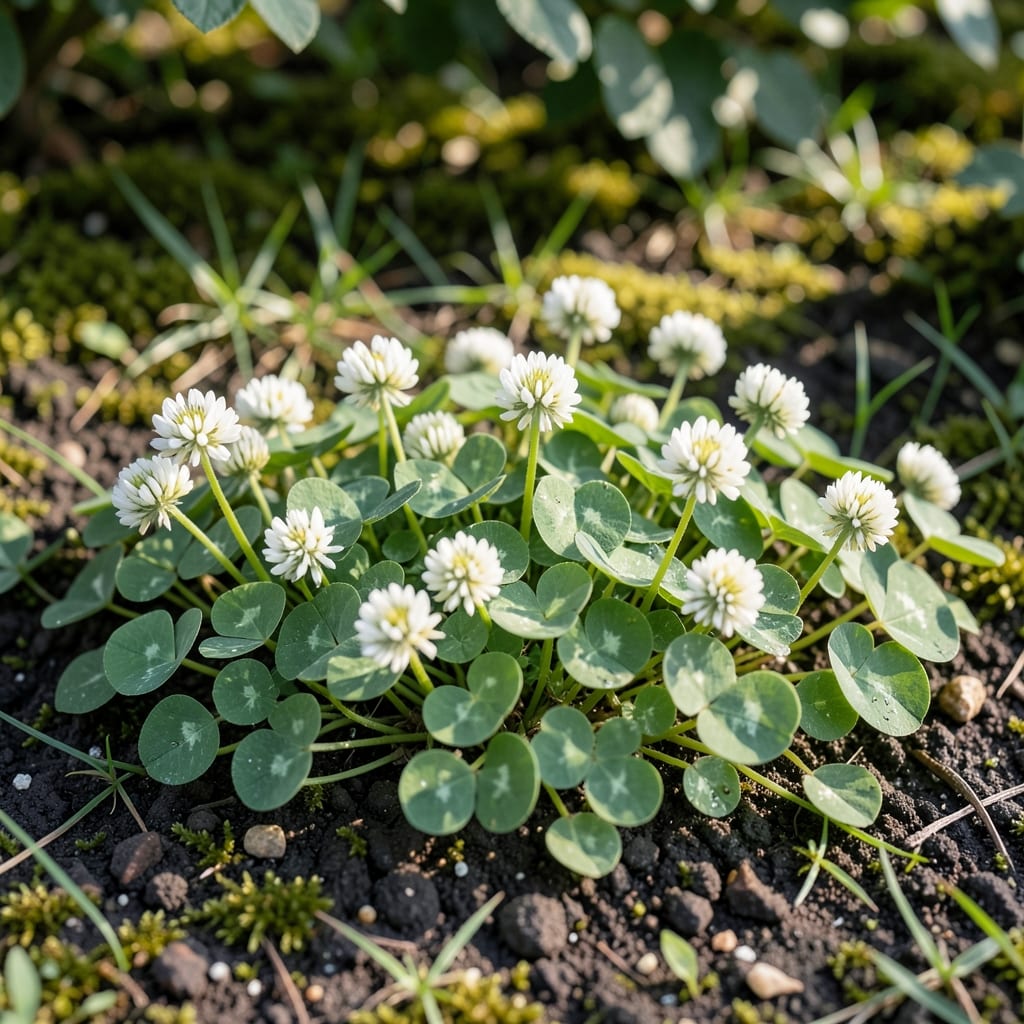
If you've ever wondered how tall can clover grow in your garden, the answer might surprise you—this humble plant packs a bigger presence than you think. While most varieties stay low to the ground, some types can reach heights of up to 18 inches under ideal conditions, making them perfect for ground covers, pollinator gardens, or even as a lawn substitute.
The truth is, clover's height depends entirely on its variety and growing conditions. White clover, for example, typically stays between 2 to 6 inches, while red clover can shoot up to 12 to 18 inches when given the right care. Whether you're aiming for a lush green carpet or a taller ornamental display, understanding these differences is the key to unlocking clover's full potential.
What most gardeners don't realize is that soil quality, sunlight exposure, and even pruning habits can dramatically influence how tall your clover grows. With the right approach, you can encourage faster growth or keep it neatly contained—whichever suits your garden best. Let’s break down the fastest-growing varieties and the secrets to maximizing their height.
Ready to transform your garden? Whether you're dealing with white clover's modest stature or red clover's impressive reach, these insights will help you grow clover that thrives—no matter your space or goals. Let’s get started!

Clover height by variety: from dwarf ground covers to tall ornamental types
When it comes to how tall can clover grow, the answer depends entirely on the variety you're cultivating. Some types stay close to the ground, forming dense mats perfect for lawn alternatives, while others shoot up like ornamental grasses, adding vertical interest to pollinator gardens. Understanding these differences helps you choose the right clover for your space and goals.
For example, white clover typically maxes out at 2 to 6 inches, making it ideal for low-maintenance ground cover. Meanwhile, red clover can reach 12 to 18 inches when given optimal conditions, making it a standout in cottage gardens. Let’s explore the height ranges of the most popular clover varieties and their best uses.
Here’s a quick visual comparison to help you visualize the differences:
As you can see, sweet clover is the tallest variety, often reaching 3 to 5 feet in ideal conditions, while Dutch white clover stays barely above the soil line. This diversity means you can use clover for everything from ground cover in shaded areas to tall pollinator-friendly borders. The key is matching the variety to your garden’s needs and growing conditions.
If you’re aiming for a low-maintenance lawn alternative, white clover or Dutch white clover are your best bets, while red clover or crimson clover will add height and color to mixed borders. For wildlife-friendly gardens, sweet clover’s towering presence provides excellent habitat and forage for birds and insects.
One common misconception is that all clover stays short. In reality, varieties like crimson clover and sweet clover can rival small shrubs in height, making them perfect for adding vertical interest. The secret to unlocking their full potential lies in soil quality, sunlight, and proper pruning, which we’ll cover in the next section.
For now, remember: if you want clover to stay low, choose white or Dutch varieties. If you’re dreaming of taller clover blooms, red or crimson clover will deliver stunning results with the right care. The choice is yours!
Ready to experiment? Start with a small patch of each variety to see which thrives best in your garden. You might be surprised by how much height clover can achieve under the right conditions! 🌿
How to maximize clover growth height: soil, sun, and pruning secrets
If you're aiming for taller clover, the secret lies in mimicking its natural habitat. Most clover varieties thrive in well-draining, slightly acidic soil with a pH between 6.0 and 7.0. Amending your soil with compost or aged manure can boost nutrient availability, encouraging faster and taller growth. I’ve found that adding a 1-inch layer of compost before planting gives clover the nitrogen kick it needs to reach its full height potential.
Sunlight is another critical factor—full sun exposure (6+ hours daily) is non-negotiable for taller varieties like red clover. Without enough light, stems will stay short and leggy. My red clover patch in a sunny garden bed hit 18 inches tall in just two months, while the same variety in partial shade maxed out at 8 inches. Position your clover in the sunniest spot possible for the best results.
Watering plays a surprising role in height too. While clover is drought-tolerant once established, deep, infrequent watering during the first 6 weeks promotes stronger root systems, which translates to taller stems. I water mine twice weekly until the roots establish, then taper to once weekly once growth is steady. Overwatering can lead to weak, sprawling growth, so always let the top inch of soil dry out between waterings.
⚠️ Common Mistakes That Stunt Clover Growth
Over-fertilizing with high-nitrogen products can cause leafy but stunted growth. Too much shade leads to weak, sprawling stems that never stand upright. And cutting back too aggressively in early spring can delay flowering and height development.
Fix it: Use a balanced 5-10-10 fertilizer sparingly, ensure 6+ hours of sunlight, and only prune after flowering to encourage next year’s growth.
Pruning is where many gardeners go wrong. To encourage taller, bushier clover, I avoid heavy pruning until after the first flush of blooms. Cutting back 1/3 of the plant height in late summer or early fall stimulates new growth and prevents the plant from becoming too leggy. For ornamental clover varieties, like crimson clover, I leave the seed heads for winter interest but trim them back in early spring to make room for new growth.
Another pro tip: Mulch around your clover with straw or shredded leaves to retain moisture and regulate soil temperature. This simple step can add 2-3 extra inches to your clover’s height by creating ideal growing conditions. Just avoid piling mulch directly against the stems to prevent rot.
For containers or small spaces, choose dwarf varieties like Dutch white clover, which tops out at 4-6 inches but grows densely. If you want height, opt for red or crimson clover and give them room to stretch. With the right care, you’ll see noticeable height gains within just a few weeks—no magic required!