
Flowers
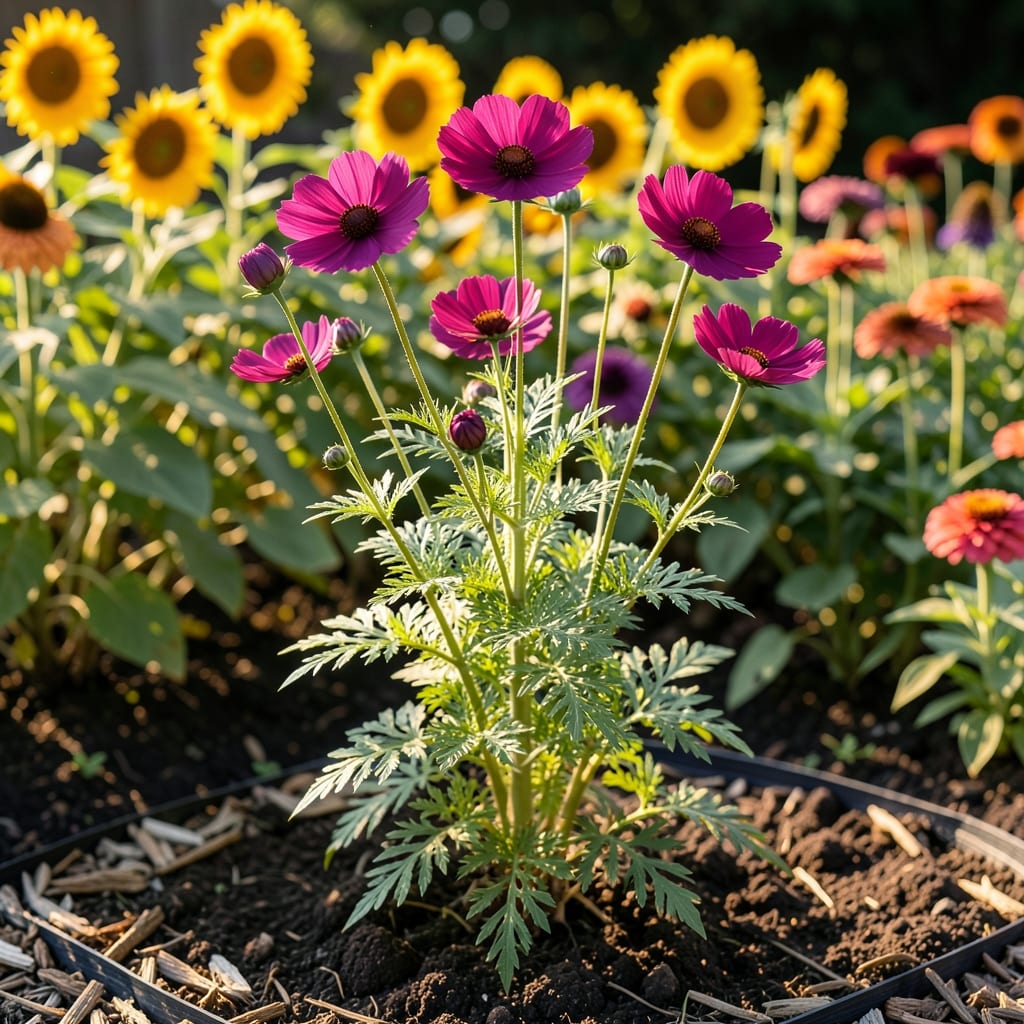
If you’ve ever wondered how tall can cosmos grow in your garden, the answer might surprise you—these cheerful blooms range from dainty 1-foot dwarfs to towering 6-foot giants, all with the same effortless charm. The key lies in choosing the right variety for your space, whether you’re dreaming of a cottage-garden border or a container-friendly display.
🌸 Cosmos bipinnatus, the classic garden staple, typically reaches 3–5 feet, while Cosmos sulphureus varieties can stretch up to 6 feet with the right conditions. But height isn’t just about genetics—soil, sunlight, and even pruning habits play a huge role in whether your cosmos will stay compact or shoot skyward.
What’s even more exciting? You can shape their growth to fit your vision. With a few simple adjustments—like spacing seeds properly or pinching back leggy stems—you’ll unlock the perfect height for your garden’s layout. Ready to turn your flowerbeds into a vertical masterpiece?
Let’s break down the exact heights by variety, plus the secrets to encouraging (or controlling) their growth so you can get the cosmos of your dreams—without the guesswork.

Cosmos height by variety: from dwarf to giant (exact measurements)
If you’re planning your cosmos garden, the first question is almost always how tall can cosmos grow? The answer depends entirely on the variety you choose. Cosmos plants fall into three broad height categories: dwarf, medium, and giant, each with distinct spacing and care needs. For example, my ‘Sensation Mixed’ cosmos reached a modest 18 inches in containers, while my ‘Bright Lights’ variety soared to 5 feet in the garden bed.
Dwarf cosmos varieties are perfect for containers, window boxes, or front-of-border plantings. These compact beauties typically mature between 12–18 inches tall, making them ideal for small spaces or urban gardens. They also bloom prolifically, offering non-stop color from summer to frost. My neighbor’s ‘Purity’ cosmos stayed under 15 inches all season long, proving that height isn’t a requirement for stunning displays.
For a medium-height cosmos, expect plants to reach 24–36 inches at maturity. These are the workhorses of the cosmos world, perfect for mid-border plantings, pollinator gardens, or cutting gardens. Varieties like ‘Seashells’ and ‘Double Click’ fit this category beautifully. I planted ‘Seashells’ in a 12-inch spacing grid last year, and they filled their space without overcrowding, producing dozens of blooms per stem.
🌸 The real giants of the cosmos family are the ‘Bright Lights’ and ‘Cosmos sulphureus’ varieties, which can stretch up to 6 feet tall with proper care. These are the showstoppers for back-of-border plantings, tall flower arrangements, or even as living privacy screens. In my own garden, a ‘Cosmos sulphureus ‘Rubenza’ plant hit 5.5 feet by mid-summer, its fiery orange blooms catching sunlight all day long.
| Variety | Mature Height | Ideal Spacing | Best For |
|---|---|---|---|
| ‘Sensation Mixed’ | 12–18 in | 6–12 in apart | Containers, borders |
| ‘Purity’ | 12–15 in | 8–10 in apart | Cutting gardens |
| ‘Seashells’ | 24–30 in | 12–18 in apart | Mid-border, pollinators |
| ‘Double Click’ | 24–36 in | 12–18 in apart | Cutting arrangements |
| ‘Bright Lights’ | 48–72 in | 24–36 in apart | Back borders, screens |
| ‘Cosmos sulphureus ‘Rubenza’’ | 54–72 in | 30–36 in apart | Tall arrangements |
Pro tip: Spacing is everything when it comes to maximizing cosmos height. Crowded plants compete for nutrients and sunlight, leading to leggy, weak stems that flop over. I once planted ‘Bright Lights’ too close together, and their heights were cut in half due to overcrowding. Always follow the spacing guidelines for your specific variety to encourage strong, vertical growth.
For heirloom or lesser-known varieties, heights can vary even more dramatically. For example, ‘Cosmos atrosanguineus’ (also called ‘Dark Star’) typically reaches 3–4 feet but has deep burgundy blooms that are stunning in late summer. If you’re experimenting with unusual cosmos colors, be prepared for surprises—some may stay shorter while others exceed expectations.
🌿 Another factor to consider is growing conditions. Cosmos grown in poor soil or shade will naturally stay shorter, while those in rich
How to maximize cosmos height: soil, sun, and pruning secrets
If you’re aiming for taller cosmos blooms, the secret lies in mimicking their natural, drought-resistant habits—well-draining soil and full sun exposure are non-negotiable. Cosmos thrive in lean, sandy soil with minimal nutrients, so skip the heavy-handed fertilizer. Instead, focus on organic matter like composted leaves or coarse sand to improve aeration without suffocating roots.
🌱 Sunlight is the real game-changer: cosmos need at least 6–8 hours of direct sun daily to stretch toward their full height potential. Plant them in the sunnest spot of your garden, even if it means sacrificing a few other shade-loving plants. In hotter climates, afternoon shade can prevent sunburn on delicate petals while still encouraging vertical growth.
Now, let’s talk pruning, the often-overlooked tool for controlling—or boosting—height. Pinch back the top sets of leaves when seedlings reach 6–8 inches tall to encourage bushier growth with more stems. This simple trick redirects energy from leggy stems to thicker, sturdier plants that can support those towering blooms.
Avoid These Mistakes or Your Cosmos Will Stay Short!
Over-fertilizing with high-nitrogen feeds leads to leafy growth instead of blooms. Cosmos are light feeders—too much fertilizer stunts their natural height and weakens stems.
Poor watering habits, like inconsistent moisture, cause stress and stunted growth. Cosmos prefer deep, infrequent watering—think 1 inch per week—rather than daily shallow drinks.
Crowding plants too closely competes for sunlight, forcing them to grow leggy and weak. Space seeds 12–18 inches apart for dwarf varieties and 24–36 inches apart for tall types.
For extra-tall cosmos, try staking or trellising in late summer when stems start to sag under the weight of blooms. Use bamboo stakes or lightweight cages to support Cosmos sulphureus varieties, which can reach 6 feet with proper care. Just avoid tying stems too tightly—cosmos need room to sway in the breeze!
💧 Watering wisdom matters too: always water at the base of the plant in the morning to reduce fungal risks. Mulch with straw or wood chips to retain moisture and regulate soil temperature, which keeps roots happy and stems reaching for the sky.
Finally, deadheading spent blooms isn’t just about looks—it redirects energy to new flower production and encourages taller, more vigorous growth. Snip off faded blooms just above a set of leaves to keep your cosmos blooming and climbing all season long.