
Size
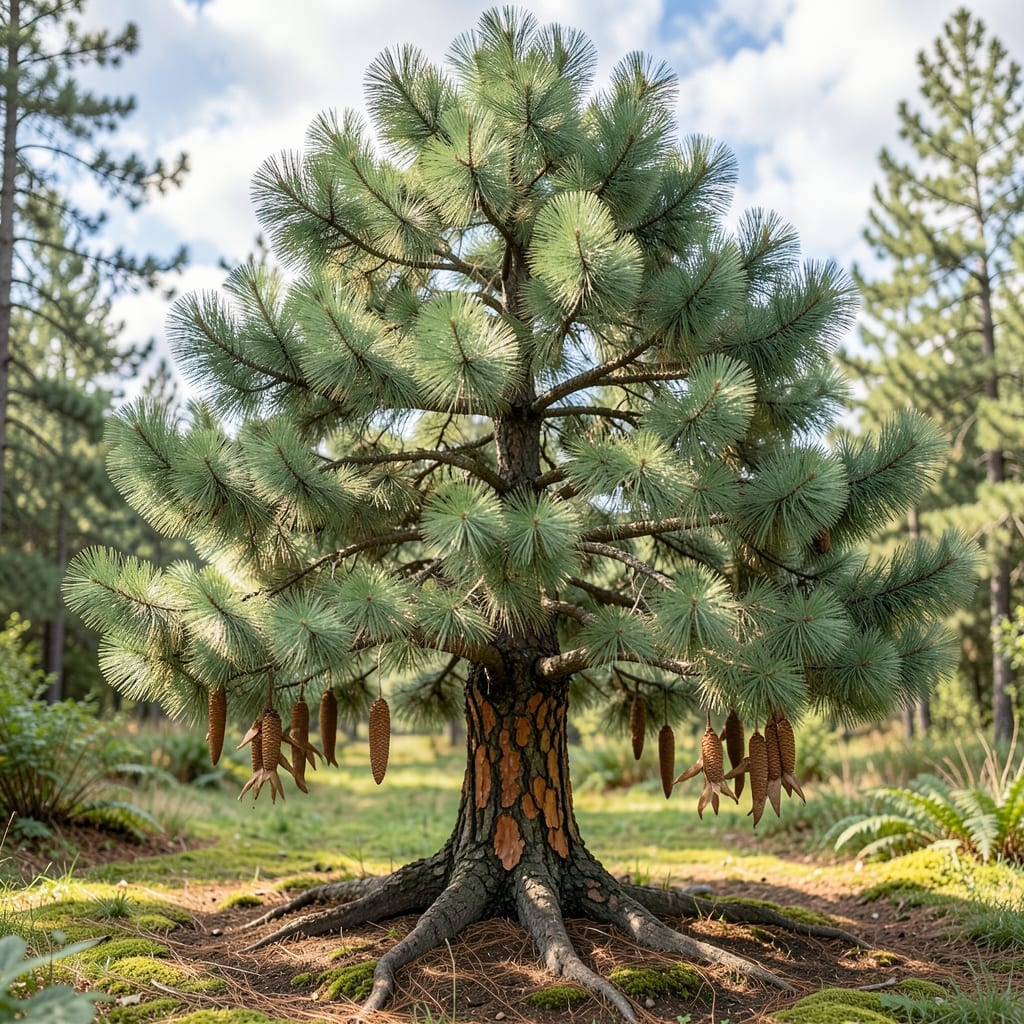
If you've ever gazed up at a towering Douglas Fir 🌲 and wondered how tall this tree can grow, you're not alone. The answer might surprise you—these trees aren't just tall; they're among the most impressive vertical climbers in nature, with some varieties reaching heights that defy imagination.
In ideal conditions, Douglas Firs can grow between 60 and 300 feet, making them taller than a 20-story building. But their growth isn't just about genetics—climate, soil quality, and even planting location play a huge role in determining how sky-high they'll soar. Whether you're a home gardener dreaming of a smaller specimen or a landscaper planning for large-scale projects, understanding these factors is key.
What's even more fascinating is how different varieties react to their environment. Coastal Douglas Firs, for example, tend to grow taller and straighter than their inland cousins, while dwarf varieties offer a more manageable option for smaller properties. I’ll break down the science behind their growth and share practical tips to help you nurture—or contain—a Douglas Fir, no matter your space.
Ready to discover how to harness this tree’s incredible potential? Let’s explore the secrets behind their staggering heights and how you can work with (or around) their impressive growth habits.


Douglas Fir height limits by variety: from coastal giants to mountain dwarfs
When it comes to Douglas fir height, genetics play a starring role. The species Pseudotsuga menziesii includes varieties that range from 60-foot dwarf cultivars to 300-foot coastal titans. Understanding these differences helps you choose the right tree for your space—or manage expectations for your landscape.
The most dramatic height differences appear between coastal Douglas firs and their inland relatives. Coastal varieties, like those found in Oregon and Washington, often reach 200–300 feet with straight, towering trunks—ideal for forestry but challenging for home gardens. Meanwhile, Rocky Mountain Douglas firs typically max out around 100–150 feet, with denser foliage and shorter stature.
Dwarf varieties, such as 'Glauca' or 'Compacta', are bred specifically for smaller spaces, topping out at 30–50 feet while retaining the iconic blue-green needles and conical shape. These make excellent ornamental trees for yards or urban gardens where space is limited.
Here’s how the major varieties stack up in terms of height potential:
| Variety | Mature Height Range | Growth Rate | Key Traits |
|---|---|---|---|
| Coastal Douglas Fir | 200–300 ft | Fast (3–5 ft/year) | Straight trunks, thin bark, tallest variety |
| Rocky Mountain Douglas Fir | 100–150 ft | Moderate (2–4 ft/year) | Denser foliage, shorter stature, cold-hardy |
| Dwarf Varieties (e.g., 'Glauca') | 30–50 ft | Slow (1–2 ft/year) | Compact, blue-green needles, ornamental |
| Interior Douglas Fir | 150–250 ft | Fast (3–4 ft/year) | Tall but less straight, adaptable to drier climates |
The world’s tallest Douglas fir was recorded in Oregon’s Olympic National Forest, standing at a staggering 320 feet. While most homeowners won’t encounter trees this large, even 100-foot specimens require careful planning—especially in suburban areas where power lines and property lines become concerns.
If you’re aiming for a taller Douglas fir, focus on coastal varieties planted in moist, well-drained soil with full sun exposure. For a manageable size, dwarf cultivars offer the best balance of height control and visual impact. Just remember: even a "small" Douglas fir can outgrow its welcome if not given enough space!
For those curious about growth rates, coastal Douglas firs can add 3–5 feet per year in ideal conditions, while dwarf varieties grow at a leisurely 1–2 feet per year. This makes timing critical if you’re planting near structures or utilities.
🌲
Douglas Fir height limits by variety: from coastal giants to mountain dwarfs
When it comes to Douglas Fir 🌲 height, variety makes all the difference. The most iconic coastal Douglas Firs (Pseudotsuga menziesii var. menziesii) are the tallest, often reaching 200–300 feet in their natural habitat. These giants dominate the Pacific Northwest, where they thrive in cool, wet climates. In contrast, Rocky Mountain Douglas Firs (var. glauca) typically max out around 150–200 feet, with a more compact, pyramid-shaped growth habit.
The interior Douglas Fir (var. glauca) is another key variety, often found in drier inland regions. While still impressive, these trees usually grow 120–180 feet tall, with a slightly slower growth rate compared to their coastal cousins. If you're looking for a dwarf variety, consider 'Glauca' or 'Compacta', which max out at 30–60 feet—perfect for smaller yards or container gardening.
| Variety | Mature Height Range | Growth Rate (Annual) | Best Climate Zones |
|---|---|---|---|
| Coastal Douglas Fir | 200–300 ft | 2–4 ft/year (young) | 6–8 (Pacific Northwest) |
| Rocky Mountain Douglas Fir | 150–200 ft | 1–3 ft/year | 4–7 (Mountainous) |
| Interior Douglas Fir | 120–180 ft | 1–2 ft/year | 5–8 (Inland) |
| Dwarf Varieties (e.g., 'Glauca') | 30–60 ft | 0.5–1 ft/year | All zones (container-friendly) |
Even within a single variety, genetics play a huge role. For example, the tallest recorded Douglas Fir—a coastal giant in Washington State—tops out at 320 feet, thanks to ideal growing conditions and genetic predisposition. Meanwhile, urban or container-grown specimens rarely exceed 40–50 feet due to restricted root space and nutrient limitations.
If you're planting a Douglas Fir 🌲 in your yard, consider your space and goals. A coastal variety will dominate your landscape, while a dwarf or semi-dwarf offers a more manageable (but still impressive) height. Just remember: these trees grow slowly but steadily, with the first 10 years being the most critical for establishing a strong root system.
For those dreaming of a skyscraper-sized Douglas Fir, focus on coastal varieties in USDA zones 6–8, where they can reach their full potential. But if you're working with limited space, dwarf varieties are a fantastic alternative—just don’t expect them to challenge the world’s tallest trees.
Next, we’ll dive into how climate and soil can either supercharge or stunt your Douglas Fir’s growth—because even the best genetics need the right conditions to reach their full height potential.