
Size
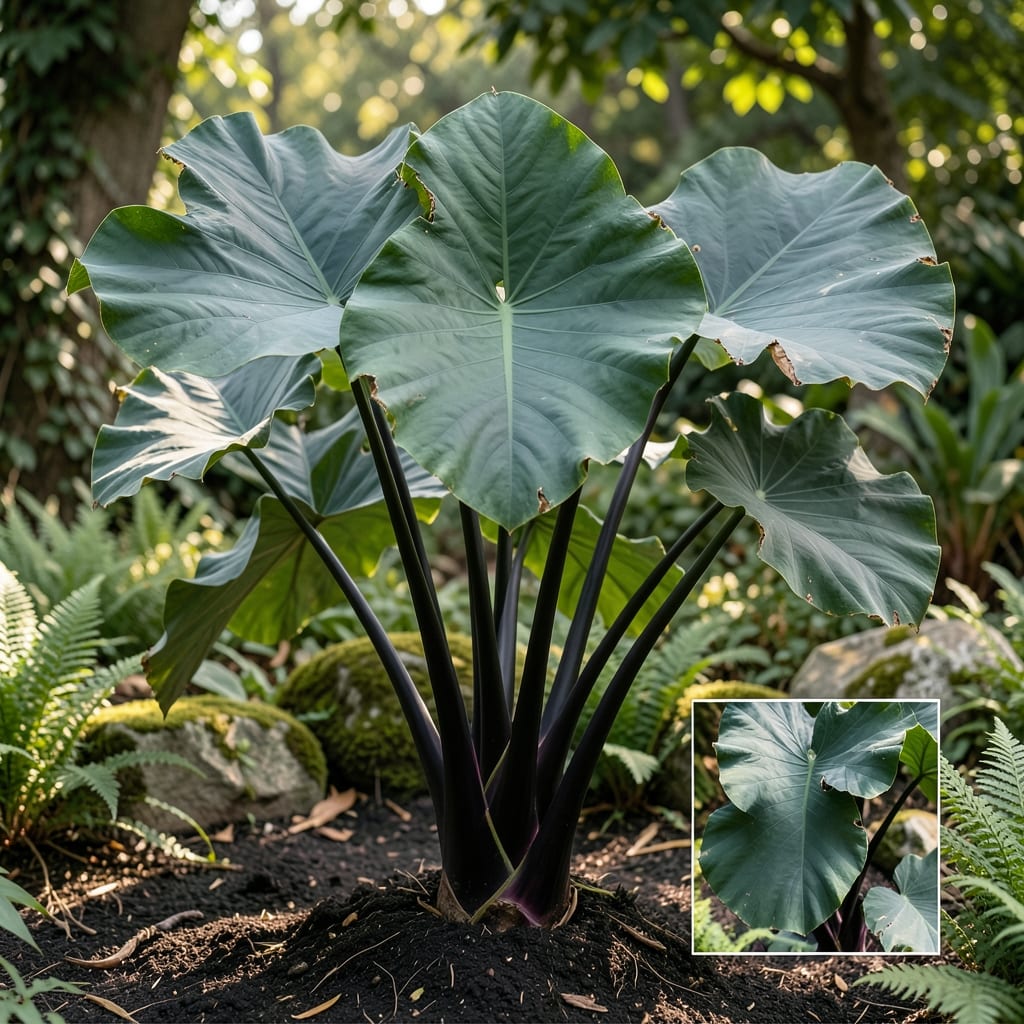
If you're wondering how tall can elephant ears grow, the answer might surprise you—these stunning 🌿 plants can reach heights from just 2 feet to over 6 feet, depending on the variety and growing conditions. Whether you're dreaming of dramatic garden statements or compact patio plants, understanding their potential height helps you choose the perfect fit for your space.
Some elephant ear varieties, like the popular 'Illustris,' can tower up to 5 feet or more, while dwarf types like 'Pink China' stay a manageable 2-3 feet. The difference comes down to genetics, care, and even your USDA zone—like 6a—where these tropical beauties thrive with the right balance of sun and moisture.
But here's the game-changer: with proper support, fertilization, and placement, you can influence their growth. Learn how to maximize their height for a bold focal point or keep them compact for containers—because the right approach turns these giants into garden showstoppers.
Ready to discover the exact heights of your favorite varieties and how to nurture them? Let's break down the facts so you can plan your garden with confidence.


Elephant ear height by variety: dwarf to giant sizes (exact measurements)
Elephant ears (Colocasia and Alocasia) offer a stunning range of heights, from delicate 2-foot patio plants to 6-foot giants that dominate garden borders. The variety you choose determines whether your plant stays compact or reaches for the sky. For example, 'Pink China' stays a modest 2-3 feet, while 'Black Magic' can soar to 5-6 feet with ideal care.
If you're planning your garden layout, knowing these exact heights helps you pair elephant ears with complementary plants. Tall varieties like 'Illustris' (4-5 feet) work beautifully as backdrop plants, while dwarf types like 'Mojito' (2-3 feet) thrive in containers or borders. The key is matching the variety to your space and sunlight conditions.
🌿
For Alocasia varieties (often called giant taro), heights can vary even more dramatically. Some, like Alocasia 'Polly' (2-3 feet), stay petite, while others, such as Alocasia 'Frydek' (3-4 feet), offer a mid-range option. If you're in USDA zone 6a, focus on Colocasia varieties—they're more cold-hardy and easier to grow.
One common misconception is that all elephant ears need full sun. In reality, most varieties prefer partial shade (4-6 hours of sunlight daily) to prevent leaf scorch. This is especially true for taller varieties like 'Illustris,' which can flop or develop brown edges if exposed to too much direct afternoon sun.
💧
If you're growing elephant ears in containers, expect their heights to be slightly stunted compared to in-ground plants. However, with the right 10-10-10 balanced fertilizer and consistent moisture, you can still achieve 80-90% of their mature height. For example, a 'Black Magic' in a large container might reach 4-5 feet instead of its full 6-foot potential.
Pro tip: If you're planting near a water feature or in a humid climate, elephant ears will grow taller and more vigorously due to the extra moisture in the air. This is why tropical varieties often outperform temperate ones in regions with high humidity, like the southeastern U.S.
For gardeners in cooler climates, consider mulching heavily in late summer to protect the rhizomes and encourage stronger regrowth the following spring. This can lead to 1-2 extra feet of growth in the second year compared to first-year plants.
✂️
How to maximize or control elephant ear height: pruning, support, and growth hacks
If you're aiming for towering elephant ears or prefer compact patio plants, the right techniques make all the difference. These tropical beauties respond well to targeted care, so let’s explore how to encourage height or keep them manageable—whether you’re growing 'Illustris' (5+ ft) or 'Pink China' (2-3 ft).
For maximizing height, focus on three key factors: support structures, fertile soil, and consistent moisture. Tall varieties like 'Black Magic' need sturdy stakes or cages to prevent flopping, especially in USDA Zone 6a where winds can stress their delicate stems. I’ve found that burying stakes at planting and gently tying leaves as they grow keeps them upright without restricting airflow.
🌱 Growth Hacks for Towering Elephant Ears
- 1. Stake early: Insert 4-5 ft stakes at planting to support rapid vertical growth.
- 2. Feed heavily: Use 10-10-10 fertilizer every 4-6 weeks in spring/summer for leafy growth.
- 3. Mulch deeply: Apply 3-4 inches of organic mulch to retain moisture and insulate roots.
- 4. Prune strategically: Remove lower leaves to redirect energy upward.
- 5. Water deeply: Soak soil weekly in summer (daily in containers) to prevent stunted growth.
To control height, opt for container gardening or pinch young shoots to encourage bushier growth. Dwarf varieties like 'Mojito' naturally stay under 3 ft, but even tall types can be tamed by pruning the topmost leaves to halt vertical growth. I’ve had success growing 'Illustris' in 15-gallon pots with root pruning—simply trim roots when repotting to keep them under 4 ft.
Light also plays a role: while elephant ears thrive in partial shade (4-6 hours of sun), too much direct sunlight can stress leaves and stunt growth. In hotter climates, afternoon shade is a must to prevent leaf scorch, which weakens the plant’s structure. I’ve noticed that east-facing windows provide the perfect balance for container-grown varieties.
For overwintering, cut back foliage to ground level in fall and mulch heavily to protect tuberous roots. In Zone 6a, I’ve found that leaving a 2-inch layer of mulch prevents frost damage and ensures robust regrowth next spring. With these techniques, you can shape elephant ears to fit any space—whether you want them to reach for the sky or stay neatly contained.
Experiment with these methods to see what works best for your garden’s microclimate. The key is observation: watch how your plants respond to care and adjust accordingly. Before you know it, you’ll have perfectly sized elephant ears that match your vision—whether that’s a dramatic backdrop or a charming container centerpiece.