Plants
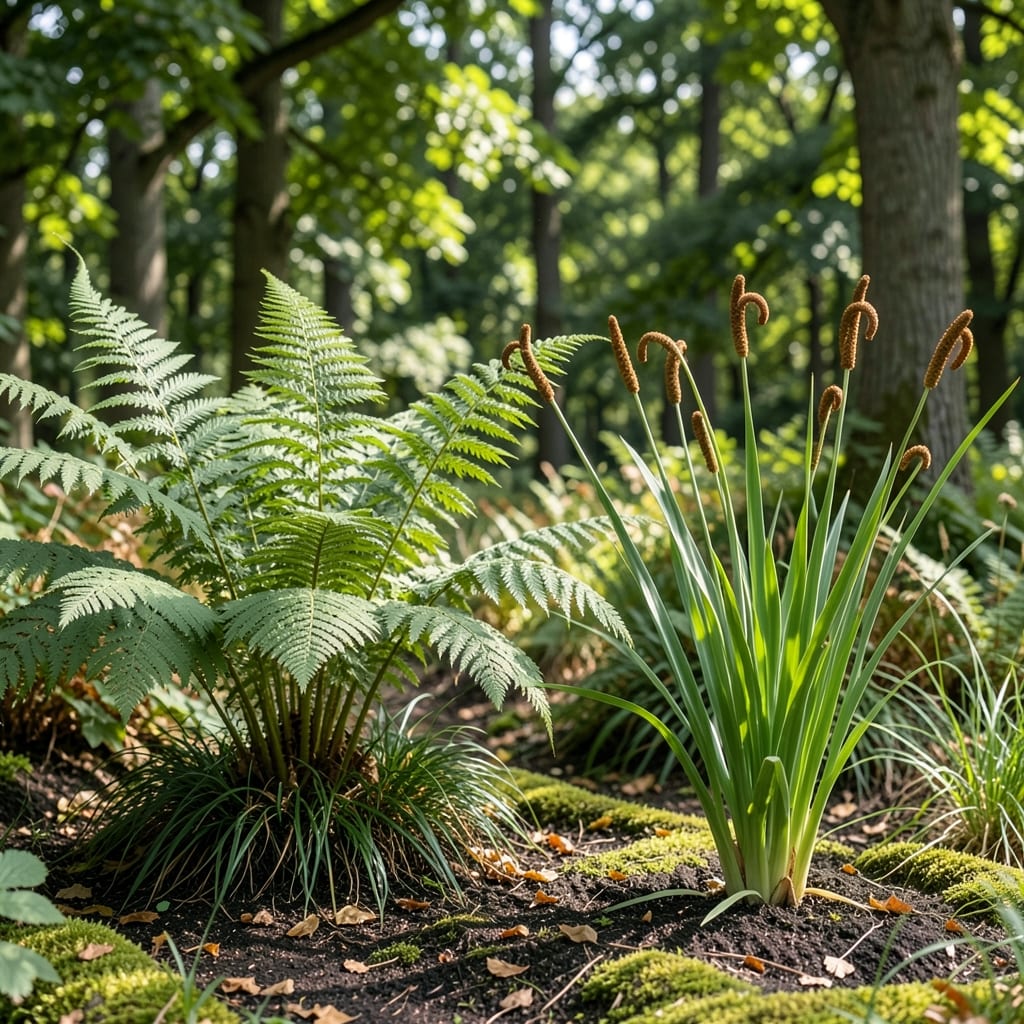
Curious about how tall your ferns can grow? The answer might surprise you—some species reach heights of 10 feet or more, while others stay compact enough for windowsills. Ferns like the towering tree fern 🌿 can become garden statement pieces, but delicate varieties like maidenhair ferns stay under 2 feet tall.
If you're wondering whether your garden space can accommodate these plants, the key lies in species selection and care. Whether you're working with a shady corner or a small patio, understanding each fern's growth potential helps you choose the perfect fit. Let's explore how to maximize their height—or keep them in check—based on your space and preferences.
From the lush fronds of Boston ferns to the striking vertical growth of bird's nest ferns, every type has unique height characteristics. Proper lighting, soil moisture, and pruning techniques play a huge role in shaping their growth. Discover how to nurture your ferns to their full potential while avoiding common mistakes that stunt their development.
Ready to transform your garden with ferns that match your vision? Whether you dream of a woodland retreat or a cozy container display, we'll cover everything you need to know. Let’s dive into the fascinating world of fern heights and how to cultivate them like a pro.

Fern height by species: from tiny ground covers to towering giants
Ferns offer an incredible range of heights, from delicate ground covers under 2 feet to towering tree ferns reaching 10 feet. The key to understanding their growth lies in selecting the right species for your space. Whether you're designing a lush woodland garden or a cozy container display, knowing each fern's mature height helps you plan with precision.
For gardeners with limited space, dwarf varieties like the button fern (Pellaea rotundifolia) stay under 1 foot tall, making them perfect for terrariums or hanging baskets. On the other end of the spectrum, tree ferns like Cyathea species can grow 10 feet or taller, creating dramatic focal points in shady corners. Let’s explore the full spectrum of fern heights and their ideal growing conditions.
🌿
The button fern and maidenhair fern are ideal for small spaces, thriving in containers or as border plants. Their delicate fronds add texture without overwhelming your garden. Meanwhile, tree ferns and royal ferns make bold statements in larger landscapes, especially in woodland gardens or near ponds where moisture levels stay high.
If you're growing ferns indoors, species like the bird’s nest fern or holly fern adapt well to bright indirect light and humid environments. Place them near north-facing windows or under grow lights to mimic their natural shade preferences. For outdoor gardens, prioritize moist, well-draining soil and partial shade to encourage healthy growth across all species.
One common mistake gardeners make is assuming all ferns require the same care. Tree ferns, for example, need high humidity and protection from frost, while dwarf varieties like the button fern tolerate drier conditions. Always match your fern’s native habitat to its growing conditions for the best results.
For those with limited vertical space, consider trailing ferns like Lycopodium clavatum (clubmoss), which spreads horizontally but stays under 1 foot tall. These work beautifully in hanging baskets or as ground covers in shaded areas. Pair them with taller ferns like the ostrich fern to create layered visual interest.
🌱
When selecting ferns for your garden, think about their mature height and how it fits into your design. A 6-foot royal fern planted near a patio can provide shade for seating areas, while a 1-foot button fern adds delicate detail to a rock garden. Experiment with different species to find the perfect balance of heights and textures for your outdoor space.
Proper care—including regular watering, fertilization, and seasonal pruning—will ensure your ferns reach their full potential. In the next section, we’ll dive into pruning techniques tailored to each fern type, so you can maintain their ideal height and shape throughout the year.
How to control fern growth: pruning and maintenance for different heights
Pruning your ferns isn’t just about keeping them tidy—it’s essential for controlling height, encouraging bushier growth, and preventing disease. The right techniques depend on your fern’s mature size and growth habits. For example, tall tree ferns need structural pruning to support their weight, while compact maidenhair ferns benefit from gentle trimming to maintain their delicate shape.
Start by identifying dead or damaged fronds—these sap the plant’s energy. Use clean, sharp pruners to cut them at the base, avoiding healthy tissue. For aggressive spreaders like Dryopteris filix-mas, prune in early spring to curb their horizontal growth and redirect energy upward. This simple step can transform a wild, unruly fern into a well-behaved garden feature.
🌿
🌱 Step-by-Step Fern Pruning Guide
- Step 1: Wait until spring (March–April) to prune. Avoid cutting in winter or late fall.
- Step 2: Remove dead fronds first—cut at the crown base with sterilized shears.
- Step 3: Trim overcrowded fronds by 1/3 to improve airflow.
- Step 4: For tall ferns, support with stakes if fronds exceed 3 feet.
- Step 5: Apply mulch after pruning to retain moisture and nutrients.
Timing is everything when pruning ferns. Spring pruning (just as new fronds emerge) stimulates fresh growth, while summer trims help manage size for container-grown varieties. Never prune in fall or winter, as this stresses the plant during its dormant phase. If you notice yellowing fronds in summer, it’s often a sign of overwatering—adjust your care routine before pruning.
For large ferns like Matteuccia struthiopteris (ostrich fern), focus on structural support. Use bamboo stakes or coconut coir wraps to prevent fronds from snapping under their own weight. In contrast, smaller ferns (e.g., Asplenium nidus) thrive with minimal pruning—just remove brown tips to keep them looking pristine. Regular maintenance ensures your ferns stay healthy and proportionate to your garden’s design.
Don’t forget about fertilization after pruning! A balanced 5-10-10 fertilizer applied in early spring and mid-summer gives your ferns the nutrients they need to recover and grow. Pair this with consistent moisture (but avoid soggy soil) to see dramatic improvements in frond vigor. With these techniques, you’ll master the art of controlling fern height while keeping them lush and vibrant.
🪴 Whether you’re dealing with a rambunctious tree fern or a delicate maidenhair, pruning is your secret weapon for shaping their growth. Start small, observe your plant’s response, and adjust as needed. Your garden—and your ferns—will thank you for it!