
How To
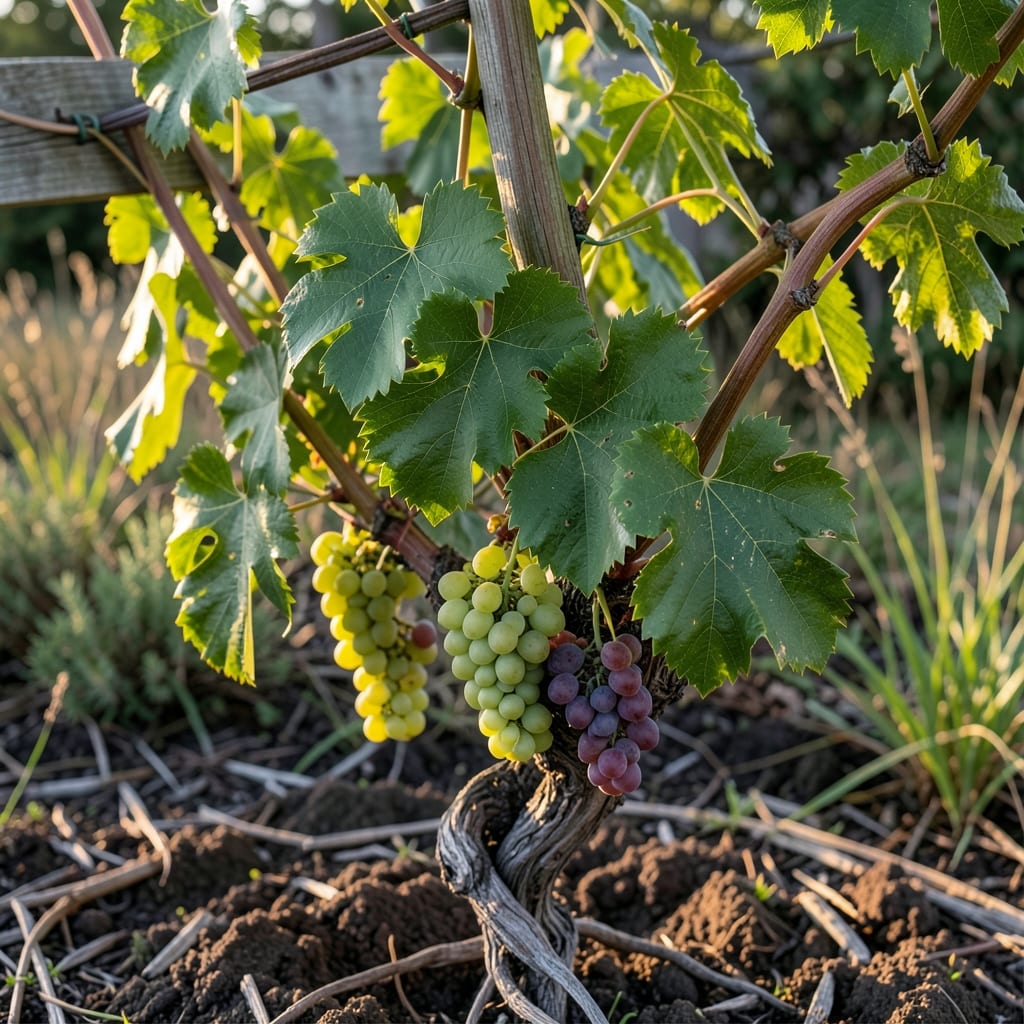
If you’ve ever wondered how tall grape vines can grow, the answer might surprise you—some varieties stretch over 30 feet if left unchecked! But don’t panic: with the right techniques, you can train your 🍇 to stay at a manageable height while still producing a bountiful harvest.
The key lies in understanding your grapevine’s variety, as table grapes, wine grapes, and muscadines all have different growth habits. For example, dwarf varieties stay compact, while standard types can reach towering heights without proper pruning or support. Knowing these differences helps you plan your garden layout and choose the perfect spot for your vines.
In this guide, I’ll break down everything you need to know—from the tallest varieties to the best pruning and trellising methods. Whether you’re a first-time gardener or a seasoned grower, these tips will help you keep your grapevines healthy, productive, and under control.
Ready to transform your garden into a thriving grapevine oasis? Let’s dive in and discover how to manage your vines’ growth like a pro!

Grape vine height by variety: from compact to towering giants
Grape vines are famous for their incredible growth potential, but their mature height varies dramatically depending on the variety and type. Understanding these differences helps you choose the right vines for your space—whether you have a sprawling backyard or a small balcony garden. Let’s explore the height ranges for the most popular grape varieties, from dwarf types perfect for containers to towering giants that need serious support.
First, it’s important to note that grape vines are perennial climbers, meaning they grow year after year and can live for decades with proper care. Their height is influenced by genetics, pruning practices, and growing conditions. For example, a wine grape vine like Cabernet Sauvignon can easily reach 20-30 feet without intervention, while a dwarf table grape like Thompson Seedless stays under 8 feet even in ideal conditions.
Here’s a quick look at how grape vine heights break down by category: dwarf varieties (6-12 ft), semi-dwarf varieties (12-18 ft), and standard varieties (20-30+ ft). The key to managing height lies in selecting the right type for your garden layout and pruning strategy.
| Variety Type | Common Varieties | Mature Height Range | Growth Notes |
|---|---|---|---|
| Dwarf Table Grapes | Thompson Seedless, Red Globe, Black Monukka | 6–12 ft | Ideal for containers, trellises, or small gardens. Requires regular pruning to maintain compact size. |
| Semi-Dwarf Wine Grapes | Chardonnay, Pinot Noir, Merlot | 12–18 ft | Balanced height for home gardens. Thrives on arbors or strong trellises with annual pruning. |
| Standard Wine Grapes | Cabernet Sauvignon, Syrah, Zinfandel | 20–30+ ft | Needs robust support (e.g., pergolas, strong trellises). Best for large gardens or vineyard-style plantings. |
| Muscadine Grapes | Scuppernong, Catawba, Norton | 15–25 ft | Native to the southern U.S., drought-tolerant, and vigorous. Often trained on strong trellises or fences. |
| Hybrid Grapes | Concord, Niagara, Catawba | 10–20 ft | Versatile for home gardens. Can be trained as bush vines or climbing types depending on pruning. |
If you’re growing table grapes like Thompson Seedless, you’ll find they’re the most manageable for small spaces. These varieties are bred to stay compact, making them perfect for container gardening or balcony trellises. For example, a Red Globe grape vine typically matures around 8 feet, while Black Monukka can reach 10-12 feet if given proper support.
On the other hand, wine grapes like Cabernet Sauvignon or Syrah are built for height. Left unpruned, they can shoot up to 30 feet or more, which is why commercial vineyards use sprawling trellis systems. However, with annual pruning and a sturdy trellis, you can keep them at a more manageable 12-18 feet—ideal for a backyard arbor or pergola.
For those in warmer climates, muscadine grapes are a fantastic choice. These native varieties are hardy and drought-resistant, often reaching 15-25 feet. They’re perfect for training along fences or strong wooden posts, as their thick vines can handle the weight of heavy fruit clusters.
One variety that often surprises gardeners is the Concord grape, a hybrid known for its large, juicy berries. While it can grow up to 20 feet, it’s surprisingly adaptable to pruning and can be kept smaller with regular maintenance. This makes it a great option for home gardeners who want both productivity and manageable size.
Choosing the right variety isn’t just about height—it’s also about your climate and gardening goals. For instance, if you’re in a USDA Zone 5 or colder, opt for cold-hardy varieties like Valiant or Frontenac, which stay under 10 feet but produce reliably in cooler conditions. Meanwhile, in Zone 8-10, you can experiment with taller varieties like Zinfandel or Tempranillo, which thrive in heat but need strong support.
Pro tip: If you’re unsure about a variety’s growth potential, check with local nurseries or extension services. They often have insights into which grapes perform best in your specific microclimate. For example, a Thompson Seedless grape vine might grow taller in a humid southern climate than in a dry western one due to differences in moisture and soil conditions.
Now that you know the height ranges for different grape varieties, the next step is learning how to control their growth—whether you want to keep them compact or guide them upward. Stay tuned for my next section on pruning and trellising secrets to manage your grape vines like a pro! 🍇
Grape vine height by variety: from compact to towering giants
Grape vines exhibit staggering height variations depending on the variety. While some dwarf types stay under 10 feet, others can soar past 30 feet if unchecked. The difference often comes down to whether you're growing table grapes, wine grapes, or muscadines, each with distinct growth patterns.
For home gardeners, understanding these differences is crucial. A Thompson Seedless table grape might reach 15-20 feet with proper training, while a Concord wine grape can easily exceed 25 feet without control. Even muscadine varieties like 'Scuppernong' can grow 30+ feet in ideal conditions.
Here’s how different grapevine categories compare in terms of mature height:
| Variety Type | Dwarf Height | Standard Height | Growth Rate (Annual) | Best For |
|---|---|---|---|---|
| Table Grapes (e.g., Thompson Seedless) | 8-12 ft | 15-20 ft | 3-5 ft/year | Home gardens, small spaces |
| Wine Grapes (e.g., Cabernet Sauvignon) | 12-18 ft | 20-30 ft | 5-8 ft/year | Large gardens, commercial vineyards |
| Muscadines (e.g., Scuppernong) | 15-20 ft | 30+ ft | 6-10 ft/year | Rural areas, wild growth |
| Dwarf Rootstock Grafts | 6-10 ft | 10-15 ft | 2-4 ft/year | Containers, small yards |
If you're working with limited space, consider dwarf rootstock varieties grafted onto compact understocks. These can stay under 10 feet while still producing high-quality fruit. For example, a Flame Seedless grafted onto a dwarf rootstock will remain manageable at 8-12 feet while yielding delicious table grapes.
For those with larger properties, standard-height vines like Chardonnay or Merlot can create stunning vertical gardens. Just remember: without proper pruning and trellising, even these varieties will quickly outgrow their welcome in a small backyard.
Pro tip: Always check the mature height of your chosen variety before planting. A 30-foot vine needs serious support—and a lot of horizontal space!