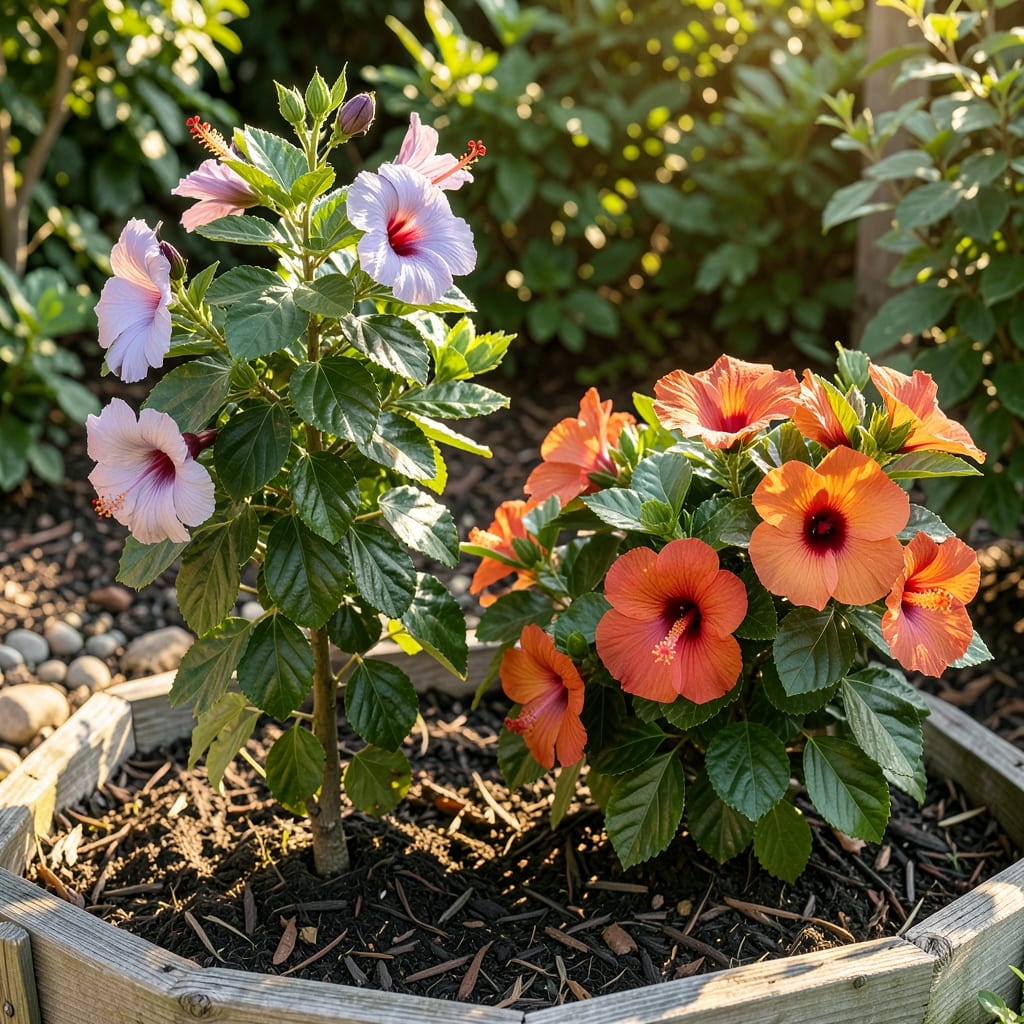
If you're wondering how tall can hibiscus grow, the answer might surprise you—these stunning 🌸 plants can range from compact shrubs to towering giants, depending on the variety and care you provide. Whether you're planning a lush backyard border or a container garden, understanding their growth potential is key to creating the perfect hibiscus display.
Some hibiscus varieties, like the tropical Hibiscus rosa-sinensis, can reach heights of 10 to 20 feet when grown in ideal conditions, while hardier types such as Hibiscus syriacus typically stay between 3 to 5 feet. The difference comes down to species, climate, and how aggressively you prune—so your garden design choices matter just as much as the plant itself.
For those with limited space, dwarf hibiscus varieties offer a more manageable 3 to 4 feet of height, making them perfect for containers or small gardens. But even standard varieties can be shaped with the right pruning techniques, ensuring they fit your vision without sacrificing their dramatic blooms.
Ready to learn how to encourage—or control—the height of your hibiscus? I’ll break down the factors that influence their growth, from sunlight and soil to seasonal pruning tips, so you can grow the exact hibiscus size you’ve always wanted.
Dwarf
3-5 ft
Container friendly
Semi-Dwarf
5-8 ft
Most popular
Standard
10-15 ft
Full orchard size
Hibiscus height by variety: from dwarf to tree-sized giants
When planning your hibiscus garden, knowing how tall can hibiscus grow helps you choose the right variety for your space. The dramatic difference between dwarf hibiscus and tree-sized tropical hibiscus means your garden design can range from a cozy patio centerpiece to a towering backyard focal point.
The Hibiscus rosa-sinensis, also called tropical hibiscus, is the variety most people envision when they think of hibiscus—think lush, glossy leaves and 10 to 20-foot-tall plants with vibrant blooms. This variety thrives in warm climates like USDA Zones 9-11 and can even reach 25 feet in ideal conditions, making it perfect for tropical landscapes or large gardens.
On the other end of the spectrum, Hibiscus syriacus, or rose of Sharon, is a hardy hibiscus that typically grows 3 to 5 feet tall. This variety is cold-hardy down to USDA Zone 5, making it a favorite for northern gardens. It’s also more compact, making it ideal for hedges or small garden borders.
For those with limited space, dwarf hibiscus varieties like 'Pride of Barbados' or 'Lime Green Egret' stay between 2 to 4 feet tall, perfect for containers, balconies, or small yards. These varieties still produce stunning blooms but require less pruning and maintenance.
Semi-dwarf varieties, such as 'Helene' or 'Lady Stanley', bridge the gap with heights of 5 to 8 feet. These are great for medium-sized gardens or as accent plants in larger landscapes, offering a balance between manageable size and dramatic presence.
Now, let’s explore the exact height ranges and growth habits of 12 popular hibiscus varieties to help you pick the perfect fit for your garden.
| Variety |
Height Range |
Growth Habit |
Climate Zone |
Best For |
| Hibiscus rosa-sinensis (Tropical) |
10–20 ft |
Tree-like, sprawling |
9–11 |
Large gardens, containers |
| Hibiscus syriacus (Rose of Sharon) |
3–5 ft |
Bushy, rounded |
5–9 |
Hedges, borders |
| 'Pride of Barbados' (Dwarf) |
2–4 ft |
Compact, bushy |
9–11 |
Containers, patios |
| 'Helene' (Semi-Dwarf) |
5–8 ft |
Upright, spreading |
5–9 |
Medium gardens |
| 'Dwarf Red' (Compact) |
2–3 ft |
Bushy, rounded |
9–11 |
Balconies, small spaces |
| 'Lady Stanley' (Semi-Dwarf) |
6–10 ft |
Upright, bushy |
5–9 |
Privacy screens |
| 'Lime Green Egret' (Dwarf) |
3–4 ft |
Compact, bushy |
9–11 |
How to maximize hibiscus height: soil, sun, and care secrets
Want your hibiscus to reach its full tropical glory? The secret lies in mimicking its native environment. Hibiscus thrives in well-draining, slightly acidic soil with a pH between 6.0 and 6.5. Amend your garden soil with compost or peat moss to create the ideal conditions—this helps roots absorb nutrients efficiently, fueling vertical growth. In containers, use a mix of potting soil and perlite to prevent compaction, which can stunt growth.
Sunlight is non-negotiable for tall hibiscus. These plants crave at least 6 hours of direct sunlight daily, but 8+ hours will maximize height. Place them in the sunnest spot in your garden, like a south-facing border or patio. If growing in containers, rotate them weekly to ensure even exposure—uneven sunlight leads to lopsided growth and weaker stems.
🌱
1
Soil Prep: Test soil pH and amend with compost for optimal nutrient absorption.
2
Sunlight: Provide 6+ hours of direct sun daily; rotate containers weekly for balanced growth.
3
Fertilization: Use a balanced 10-10-10 NPK fertilizer every 4-6 weeks during growing season.
4
Watering: Water deeply in the morning to encourage strong root development.
5
Pruning: Prune lightly in spring to shape growth; avoid heavy cuts that reduce height potential.
Fertilization plays a crucial role in encouraging vertical growth. During the active growing season (spring to early fall), feed your hibiscus with a balanced 10-10-10 NPK fertilizer every 4-6 weeks. This ensures steady nutrient supply without favoring foliage over height. In early spring, use a light nitrogen-rich feed to jumpstart growth, while summer calls for a balanced formula to support both blooms and stem elongation.
Watering habits also impact height. Hibiscus roots need deep, infrequent watering to establish strong structures. Water in the morning to reduce evaporation and fungal risks, and ensure the soil drains well—waterlogged roots can’t support tall growth. In containers, water every 2-3 days during hot months, while in-ground plants may only need watering every 4-7 days once established.
Finally, avoid over-pruning if your goal is height. While regular deadheading encourages more blooms, aggressive pruning in late winter or early spring can reduce the plant’s ability to reach its full potential. Instead, focus on light shaping prunes in spring to guide growth upward and remove any dead or crossing branches that could weaken the structure.
By combining these care secrets, you’ll give your hibiscus the best chance to grow tall and strong—whether you’re aiming for a 15-foot tropical giant or a well-proportioned container specimen. The key is consistency in soil, sun, and nutrients, with just enough pruning to guide (not limit) their natural growth.
☀️
★★★★★4.7(12 reviews)
|