
How To
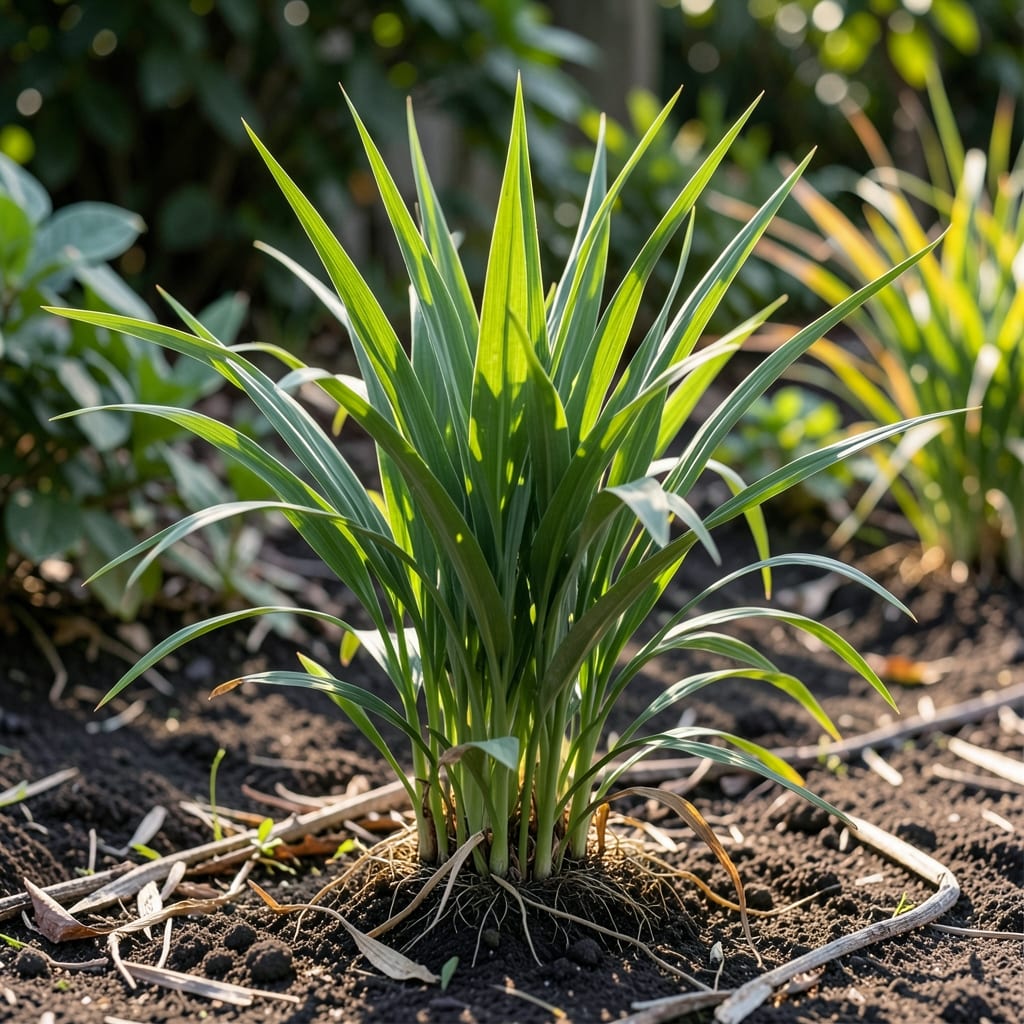
If you’ve ever wondered just how tall your lemongrass 🌿 could grow—whether it’ll become a towering tropical statement piece or stay compact—you’re not alone. This versatile herb can reach heights that surprise even seasoned gardeners, with some varieties stretching up to 6 feet under ideal conditions.
The answer depends on more than just luck—it’s all about variety, care, and where you live. Whether you’re growing lemongrass in USDA Zone 6a or a warmer climate, understanding these factors is the key to getting the height (and harvest) you want. Let’s break down what influences its growth and how to keep it thriving.
From pruning tricks to choosing the right spot, I’ll show you exactly how to manage your lemongrass’s height—whether you prefer a 3-foot bushy plant or a towering specimen. Plus, we’ll cover whether it’s a perennial or annual in your area, so you can plan ahead for next season.
Ready to transform your garden—or even your kitchen—with this aromatic grass? Let’s dive into the secrets of growing lemongrass at the perfect height for your space and needs.


Lemongrass height by variety: how tall each type can grow
If you’re dreaming of a lemongrass plant that reaches for the sky—or need a compact version for your windowsill—knowing the right variety is key. Most gardeners grow Cymbopogon citratus, the classic variety, which can soar to 5-6 feet in ideal conditions. But did you know there are shorter types perfect for small spaces?
The height of your lemongrass isn’t just about luck—it’s determined by its genetic variety, climate, and how you care for it. For example, Cymbopogon flexuosus (also called Malabar lemongrass) can grow even taller, up to 7 feet, while some tropical varieties stay shorter. Let’s explore the most common types and their mature heights.
Here’s the breakdown of lemongrass varieties and their typical heights, so you can pick the perfect one for your garden or container:
For USDA Zone 6a gardeners like me, choosing the right variety is critical. Cymbopogon citratus thrives in warmer zones but can still grow well in containers if you bring it indoors during frost. Meanwhile, citronella varieties are hardier and may survive mild winters if mulched properly.
If you’re growing lemongrass in containers, opt for dwarf varieties or prune taller types regularly to keep them under 3 feet. Even standard varieties can be managed with proper care—more on that in the next section! The key is balancing their natural height with your space and sunlight conditions.
Pro tip: If you’re in a cooler climate, start your lemongrass indoors or in a greenhouse for 6-8 weeks before transplanting. This gives it a head start and helps it reach its full height potential faster once moved outdoors.
Now that you know which varieties to choose, let’s talk about how to control their height—whether you want a bushy plant or a towering tropical beauty. Pruning is your secret weapon, and I’ll share the best techniques to keep your lemongrass at your desired size.
Lemongrass height by variety: how tall each type can grow
Lemongrass isn’t a one-size-fits-all plant when it comes to height—some varieties can reach 6 feet or taller, while others stay compact. The most common type, Cymbopogon citratus, typically grows 3–6 feet tall in ideal conditions, making it a striking addition to tropical gardens. But if you’re working with limited space, you’ll want to know which varieties stay shorter.
Climate plays a huge role too. In USDA Zone 6a, where winters can be chilly, lemongrass often grows as a perennial only in containers or protected spots, reaching 4–5 feet by its second year. Warmer zones, like Florida or Hawaii, let it thrive year-round, sometimes exceeding 6 feet with proper care.
Here’s a quick breakdown of what to expect from the most popular varieties, including their mature heights and growth habits:
| Variety | Notes |
|---|---|
| Cymbopogon citratus (Common Lemongrass) | 3–6 ft tall; fast-growing, upright stems; thrives in warm climates. |
| Cymbopogon flexuosus (East Indian Lemongrass) | 4–7 ft tall; taller and more aromatic; needs full sun and heat. |
| Dwarf Varieties (Rare, e.g., 'Mini Lemongrass') | 1.5–3 ft tall; ideal for containers or small gardens; slower growth. |
If you’re growing lemongrass in containers, height can be controlled more easily. A 5-gallon pot will limit growth to about 3–4 feet, while larger pots (10+ gallons) may encourage taller growth if the plant isn’t pruned regularly. For indoor growers, choose a south-facing window or supplement with grow lights to prevent leggy, weak stems.
One common misconception is that lemongrass will always grow tall—it won’t reach its full potential without 6+ hours of sunlight daily and well-draining soil. In shadier spots, it may stay under 3 feet and produce less aromatic leaves. To maximize height (or keep it in check), focus on these three factors: variety selection, pruning, and light exposure.
For example, if you’re in Zone 6a and want to keep lemongrass as a perennial, overwinter it in a pot near a sunny window or move it indoors before the first frost. This protects the roots and ensures it rebounds to 4–5 feet the following spring. Without these precautions, it may die back entirely in cold winters.