How To
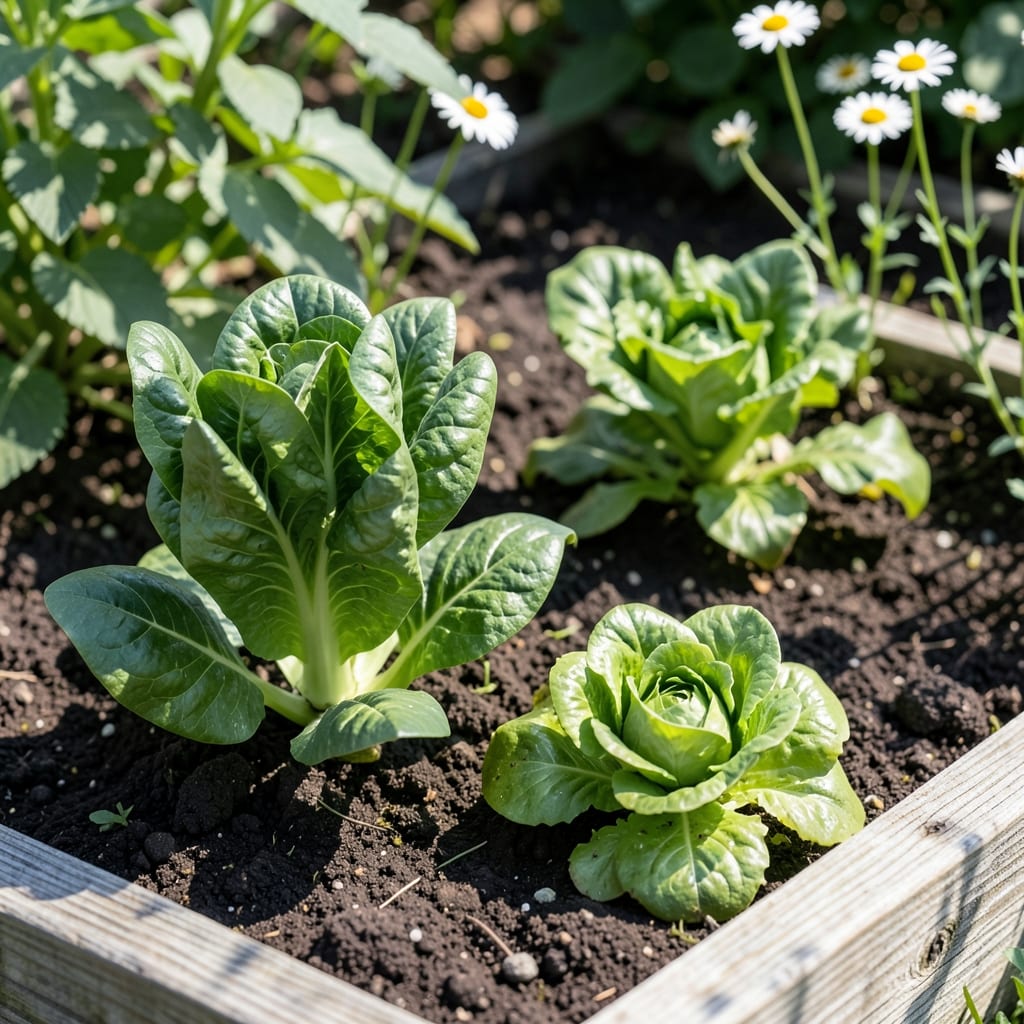
If you’ve ever wondered how tall can lettuce grow and why your 🥬 lettuce seems to stretch toward the sky like a sunflower instead of staying neat and compact, you’re not alone. The truth is, lettuce height varies dramatically depending on the variety—some stay low and leafy while others grow tall enough to rival your neighbor’s sunflowers. Understanding these differences is key to growing the perfect salad greens (or avoiding the bitter, overgrown mess).
Whether you’re planting in containers or a garden bed, knowing the typical height range for your lettuce type helps with spacing, harvest timing, and even preventing bolting. Leaf lettuce might stay under 6 inches, while romaine can reach 18 inches or more. The right variety for your space—and your patience—can make all the difference between a quick harvest and a wait that turns your greens into a science experiment.
But here’s the catch: height isn’t just about aesthetics. It directly impacts when and how you harvest, how much space you need, and even whether your lettuce stays crisp or turns bitter. Let’s break down the exact heights for common types—so you can plan your garden like a pro and enjoy fresh, homegrown greens all season long.
From dwarf varieties perfect for small pots to towering romaine that needs room to shine, I’ll cover everything you need to know. Plus, I’ll share tips to keep your lettuce at the ideal height, no matter what variety you’re growing. Ready to turn your garden into a salad bar? Let’s dive in.


Lettuce height by variety: from dwarf to towering types
Lettuce isn’t one-size-fits-all when it comes to height. Some varieties stay snug at 4 inches, perfect for container gardens, while others stretch toward 18 inches, needing more space. The difference often comes down to whether you’re growing leaf lettuce, romaine, or butterhead varieties. Choosing the right type for your space—and your salad preferences—can make all the difference in flavor and texture.
For example, looseleaf lettuce like Black Seeded Simpson typically maxes out at 6-8 inches, staying compact and bushy. Meanwhile, romaine varieties like Cos or Parris Island can reach 12-18 inches, with long, upright stalks. Understanding these height ranges helps you plan spacing, harvest timing, and even whether to grow lettuce in containers or directly in the ground.
Here’s a quick guide to lettuce heights by type, so you can pick the perfect variety for your garden layout and harvest goals.
If you’re growing lettuce in containers, stick to dwarf or leaf varieties like Salad Bowl or Little Gem, which thrive in 6-inch pots. These stay under 6 inches tall, making them ideal for balconies or windowsills. For in-ground gardens, you’ll have more flexibility, but even romaine needs 12 inches of space between plants to avoid overcrowding.
One common mistake? Assuming all lettuce grows the same. Romaine, for instance, can bolt (go to seed) faster if crowded, while butterhead varieties often flop over if not staked. Always check the seed packet for mature height—it’s your best guide to spacing and success.
Pro tip: For taller varieties, use cage supports or straw mulch to keep leaves off the soil and prevent bolting. This works especially well for Cos romaine, which can get leggy without support.
Height also affects harvest timing. Leaf lettuce can be harvested in as little as 30 days, while romaine may take 60 days to reach full height and crispness. Plan ahead by choosing varieties that match your growing season and harvest goals.
For example, if you’re growing lettuce in late summer, opt for heat-tolerant varieties like Jericho or Black Seeded Simpson, which stay compact even in warmer temps. These varieties rarely exceed 8 inches and are less likely to bolt.
Finally, remember that light conditions play a role in height. Too much sun can make lettuce grow taller and bitter, while too little shade can lead to leggy, weak stems. Aim for 4-6 hours of morning sun to keep your lettuce short, sweet, and crisp.
Lettuce height by variety: from dwarf to towering types
When planning your garden, knowing how tall can lettuce grow helps you choose the perfect variety for your space. Lettuce falls into four main categories based on height and growth habit: leaf lettuce, romaine, butterhead, and looseleaf. Each type has distinct mature heights that impact spacing, harvest timing, and even flavor. For example, a dwarf leaf lettuce like 'Salad Bowl' stays under 6 inches, while a tall romaine like 'Cos' can reach 18 inches or more.
Leaf lettuce varieties are the shortest, typically maturing between 4-8 inches. These are ideal for container gardening or small plots where space is limited. Butterhead varieties, like 'Buttercrunch,' grow slightly taller at 8-12 inches but have a more rounded, compact shape. Romaine lettuce, such as 'Parris Island,' is the tallest, often exceeding 12 inches and forming elongated heads. Looseleaf types, like 'Black Seeded Simpson,' vary widely but usually stay between 6-10 inches.
Here’s a quick reference to help you visualize the differences and plan your garden layout accordingly:
Choosing the right variety isn’t just about height—it’s also about your gardening goals. If you’re growing lettuce for continuous harvests, leaf or looseleaf types are ideal because you can snip outer leaves without disrupting the plant. For a single, hearty harvest, romaine or butterhead varieties deliver a satisfying head. And if you’re short on space, dwarf varieties like 'Little Gem' (a compact romaine) can save the day while still offering great flavor.
Pro tip: Always check seed packets for specific height ranges, as some varieties within each category can vary. For instance, 'Arctic King' romaine might stay around 12 inches, while 'Jericho' can stretch to 16 inches. Planting taller varieties toward the back of your garden bed ensures they don’t shade out shorter types, which need 4-6 hours of sunlight daily to thrive.
Understanding these height differences also helps you avoid common mistakes, like overcrowding or underestimating how much space your lettuce will need. Next, I’ll share why your lettuce might be growing taller than expected—and how to keep it at the perfect height for a crisp, flavorful harvest.