
Size
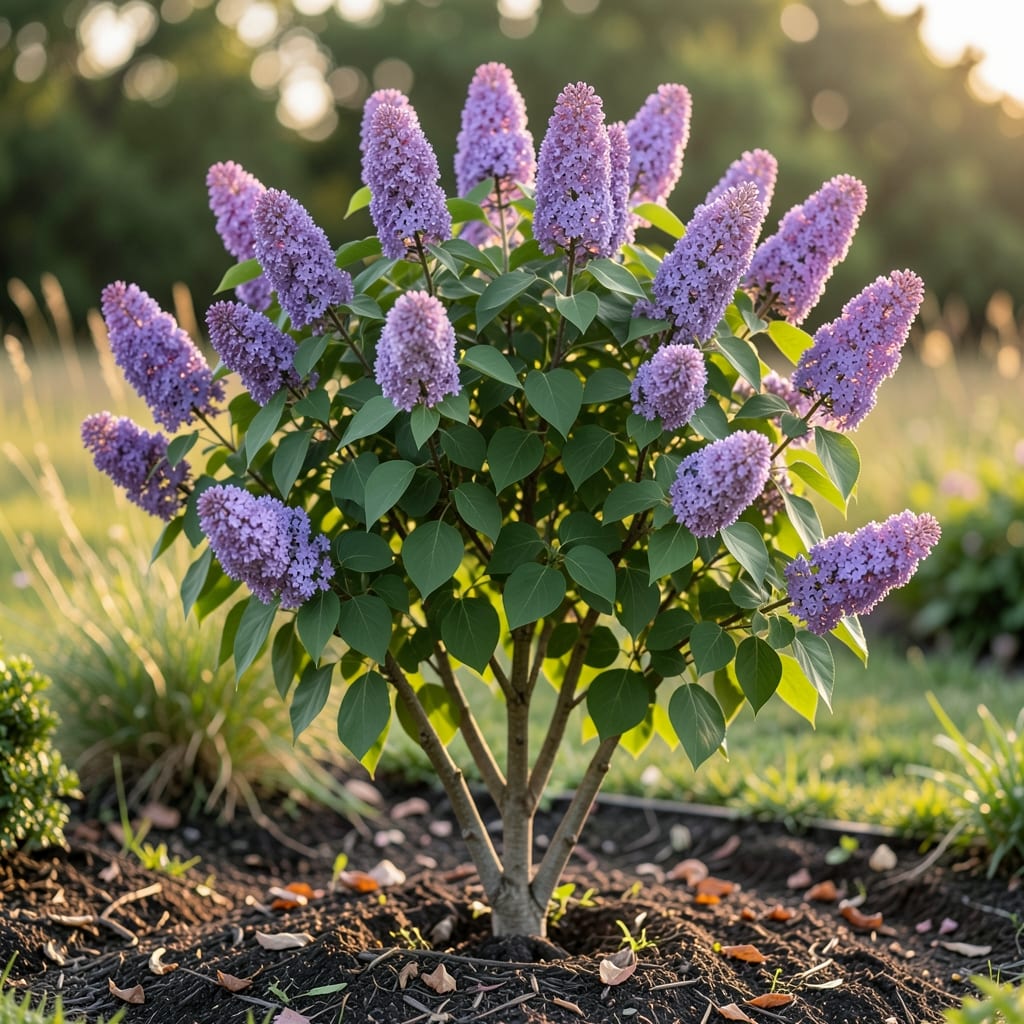
Lilac height by variety: from dwarf to giant bloomers
Lilacs are famous for their fragrant spring blooms, but their height varies dramatically depending on the variety. While some lilacs can reach 15 feet tall, others stay compact enough for patio gardens or containers. Knowing these differences helps you choose the perfect lilac for your space—whether you want a privacy hedge or a small-space shrub.
Most lilacs fall into three height categories: dwarf (under 3 feet), semi-dwarf (3-6 feet), and standard (8-15 feet). The variety you pick will determine not just your lilac’s height but also its growth rate, spread, and even its flowering intensity. For example, ‘Dwarf Korean’ lilacs stay under 3 feet, while ‘Macrocarpa’ lilacs can tower over 10 feet.
🌸 Lilac Height Comparison
| Variety | Mature Height | Spread | Best For |
|---|---|---|---|
| Dwarf Korean | 2–3 ft | 3–4 ft | Containers, small gardens |
| Minnesota Sky | 3–4 ft | 4–5 ft | Foundation plants, borders |
| Bloomerang | 4–6 ft | 5–6 ft | Small yards, hedges |
| Katherine Havemeyer | 8–12 ft | 8–10 ft | Privacy screens, large gardens |
| Macrocarpa | 10–15 ft | 10–12 ft | Tall hedges, woodland edges |
If you’re working with limited space, dwarf varieties like ‘Dwarf Korean’ or ‘Minnesota Sky’ are ideal. These stay under 4 feet tall and thrive in containers or window boxes. Their compact growth makes them perfect for balconies, patios, or urban gardens where larger shrubs would overwhelm the area.
For larger gardens or privacy screens, standard lilacs like ‘Katherine Havemeyer’ or ‘Macrocarpa’ shine. These varieties can reach 10–15 feet tall, making them excellent for backyard borders or noise barriers. Just be prepared to prune regularly to manage their size and shape.
One common misconception is that all lilacs grow into tall, unmanageable shrubs. In reality, with the right variety and pruning techniques, you can keep even the largest lilacs in check. For example, ‘Bloomerang’ lilacs are known for their re-blooming habit and stay around 4–6 feet tall, making them a great middle-ground option.
Another factor influencing height is soil quality and sunlight. Lilacs planted in well-draining soil with full sun tend to grow taller and fuller. If your lilac isn’t reaching its expected height, check your planting conditions. Poor soil or shady locations can stunt growth, while rich, fertile soil encourages vigorous expansion.
Pro tip: If you’re unsure which variety to choose, start with a semi-dwarf lilac like ‘Bloomerang’. It offers height flexibility, repeated blooms, and adaptability to smaller spaces while still providing that classic lilac fragrance. Plus, its moderate size (4–6 feet) makes it versatile for mixed borders or foundation plantings.
Remember, lilacs are long-lived shrubs that can thrive for decades with proper care. Choosing the right variety based on your space constraints and gardening goals ensures you’ll enjoy their fragrant blooms for years to come—without sacrificing your garden’s layout.
🌿 Whether you dream of a tiny lilac in a pot or a towering privacy screen, there’s a variety perfect for your needs. The key is understanding how each type grows and planning accordingly.
Lilac height by variety: from dwarf to giant bloomers
Lilacs are famous for their intoxicating fragrance and stunning spring blooms, but their height range can vary dramatically depending on the variety. If you’re dreaming of a compact lilac bush for your patio or a towering privacy hedge, choosing the right cultivar is key. Most lilacs mature between 6 and 15 feet, but dwarf varieties stay under 3 feet—perfect for small gardens or containers.
Standard lilacs, like the classic ‘Katherine Havemeyer’, can reach 10 to 15 feet tall, while semi-dwarf types like ‘Miss Canada’ top out around 6 to 8 feet. The difference isn’t just about aesthetics; taller lilacs need more space for root spread and airflow, while dwarf varieties thrive in tight spots with minimal pruning. Let’s break down the height spectrum so you can pick the perfect fit for your space.
| Variety | Mature Height | Best For | Notes |
|---|---|---|---|
| Dwarf Korean Lilac | 3–5 ft | Containers, small gardens | Fragrant, early bloomer |
| ‘Minnesota Sky’ | 4–6 ft | Foundation plants, borders | Disease-resistant, reblooms |
| ‘Miss Canada’ | 6–8 ft | Hedges, mixed borders | Classic purple blooms |
| ‘Katherine Havemeyer’ | 10–15 ft | Privacy screens, large yards | Iconic, fragrant blooms |
| ‘Bloomerang’ | 4–5 ft | Small spaces, reblooming | Multi-season blooms |
Height isn’t the only factor—growth rate and spread matter too. For example, ‘Katherine Havemeyer’ grows 2–3 feet per year in ideal conditions, while dwarf varieties like ‘Dwarf Korean’ grow just 6–12 inches annually. If your garden is urban or cramped, opt for a dwarf or semi-dwarf variety to avoid overcrowding. Even standard lilacs can be pruned to control height, but they’ll still need 6–10 feet of space to thrive.
Another tip: Soil quality and sunlight exposure directly impact height. Lilacs planted in full sun (6+ hours daily) grow taller and bushier, while those in partial shade may stay shorter but produce fewer blooms. Amending your soil with compost before planting also encourages healthier, more controlled growth. If you’re unsure about your space, start with a container-grown dwarf lilac—they’re just as fragrant and far easier to manage!
For privacy hedges, consider planting multiple semi-dwarf lilacs in a row. Their combined height and width can create a natural screen without the maintenance of a formal hedge. Just space them 4–6 feet apart to allow airflow and reduce disease risk. Whether you’re aiming for a romantic cottage garden or a modern minimalist look, there’s a lilac height that’s perfect for your vision.
🌸